Un Santuario de Ideales Renacentistas: Explorando la Villa Farnesina
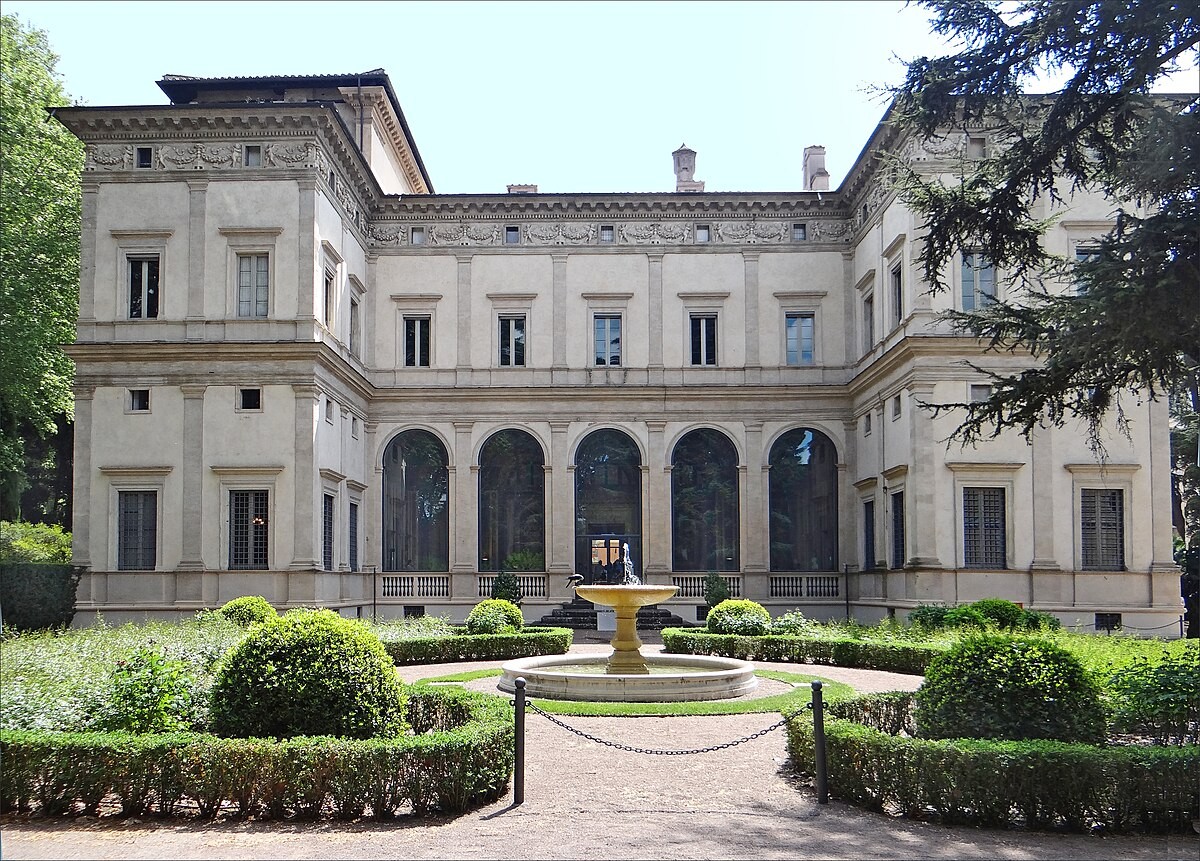
La Villa Farnesina, enclavada en el corazón de Roma, no es simplemente un edificio; es la encarnación palpable del espíritu del Alto Renacimiento: un alejamiento deliberado de las austeras fortalezas del pasado hacia una estética que celebra la ligereza, la armonía y una profunda conexión con el mundo natural. Encargada en 1506 por Agostino Chigi, un poderoso banquero de la corte papal, la villa fue concebida no como un baluarte defensivo, sino como un refinado refugio suburbano, testimonio de su riqueza, intelecto y gusto distinguido. Chigi vislumbró un espacio para la contemplación, el intercambio intelectual y la exhibición de la destreza artística, y en Baldassare Peruzzi, con la ayuda de Giuliano da Sangallo, encontró al arquitecto capaz de materializar este ambicioso sueño.
El innovador diseño en forma de U de la villa la distinguió de inmediato. Al priorizar una logia abierta —un pabellón acogedor que ofrecía respiro del calor romano y fomentaba un diálogo entre el arte y los ideales humanistas—, Peruzzi creó una estructura que se sentía menos como una residencia imponente y más como una extensión del paisaje circundante. Esta sensibilidad arquitectónica, que privilegiaba la apertura y la integración con la naturaleza, señaló una nueva era en el diseño, una donde la belleza y las aspiraciones intelectuales eran primordiales. El propio trazado invita a un ritmo pausado, incitando a los visitantes a sumergirse en las maravillas artísticas que alberga su interior.
Frescos que Respiran: Narrativas Mitológicas Reveladas
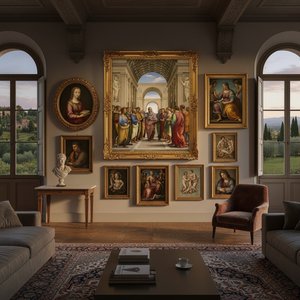
Sin embargo, es dentro de los muros de la Villa Farnesina donde reside su verdadera magia: en la impresionante colección de frescos ejecutados por algunos de los artistas más célebres del Renacimiento. Estos no son meros adornos decorativos; son narrativas inmersivas extraídas de la mitología clásica, imbuidas de una belleza, gracia y profundidad intelectual que continúa cautivando siglos después. El Triunfo de Galatea de Rafael, que engalana la logia de la planta baja, es quizás el ejemplo más icónico: una representación dinámica de la ninfa marina rodeada de criaturas mitológicas, una celebración vibrante del movimiento y la forma idealizada. La pura energía de la composición, sumada al magistral uso del color y la luz por parte de Rafael, crea una ilusión de vida misma.
Junto a Galatea se encuentra el cautivador ciclo de Cupido y Psique , que se despliega a través de varios paneles. Esta serie profundiza en temas profundos como el amor, el deseo y la transformación espiritual, plasmados con un detalle exquisito y una notable matiz psicológico que dice mucho sobre la condición humana. Al ascender al primer piso, uno se encuentra con los magistrales frescos trompe-l'oeil de Peruzzi en el Salone: una impresionante logia ilusionista que extiende el espacio interior hacia una vista panorámica de la ciudad. La meticulosa perspectiva crea una asombrosa sensación de profundidad, desdibujando los límites entre la realidad y el artificio, invitando a los espectadores a perderse dentro de su mundo pintado. Las pinturas botánicas de Giovanni Martine da Udine, que adornan las paredes junto a estas obras monumentales, enriquecen aún más la experiencia, reflejando la fascinación renacentista por la observación científica y la catalogación del mundo natural.
Un Legado Forjado en Piedra y Erudición
El diseño de la Villa Farnesina está profundamente arraigado en los principios humanistas defendidos por Lorenzo de Médici: un alejamiento consciente de la grandeza medieval hacia un espacio que promueve el discurso intelectual y el placer estético. La historia de la villa dio otro giro significativo en 1577 con su adquisición por la familia Farnese, quienes confiaron su custodia a la Accademia Nazionale dei Lincei, un bastión de la investigación científica que continúa moldeando la identidad de la Villa Farnesina hoy en día. Esta conexión subraya el papel perdurable de la villa como centro de aprendizaje e innovación artística.
Una anécdota intrigante habla de la ambición sin límites de los mecenas romanos: el propio Miguel Ángel propuso conectar el Palazzo Farnese, al otro lado del Tíber, con la Villa Farnesina mediante un puente privado, un testimonio de la herencia artística de la ciudad y del deseo de crear una exhibición aún más magnífica de poder y cultura. La villa ha acogido numerosas exposiciones que muestran obras maestras del arte renacentista, atrayendo a estudiosos y visitantes de todo el mundo. Las iniciativas recientes se han centrado en mejorar la experiencia del visitante mediante reconstrucciones digitales y técnicas de narración inmersiva, dando vida a estos espacios históricos de formas nuevas y cautivadoras.
Preservando una Edad de Oro
Los esfuerzos de conservación en curso son primordiales para asegurar que los frescos y las características arquitectónicas de la Villa Farnesina perduren para las generaciones futuras, preservando un vínculo tangible con la edad de oro de Roma. La villa permanece abierta al público diariamente de 10 am a 5 pm, con aperturas especiales el segundo domingo de cada mes hasta las 5 pm. Hay visitas guiadas disponibles bajo petición, que ofrecen una visión más profunda de la historia, el simbolismo y las técnicas artísticas empleadas dentro de estos muros extraordinarios. La Villa Farnesina es más que un museo; es una invitación a retroceder en el tiempo, a experimentar el poder transformador de la visión artística y a conectar con los ideales que dieron forma a uno de los períodos más influyentes de la historia humana.