

Un Tapiz Vivo del Patrimonio Británico
Adentrarse en el catálogo de Londres del National Trust es embarcarse en un viaje a través del tiempo, donde el aire mismo parece impregnado por los susurros de siglos pasados. Mucho más que un mero repositorio de reliquias, el National Trust actúa como un guardián dedicado del alma polifacética de Gran Bretaña, tejiendo una narrativa que abarca desde grandiosos triunfos arquitectónicos hasta los rincones silenciosos e íntimos de la vida doméstica. En el corazón de Londres, esta colección ofrece una experiencia inmersiva donde la historia no se observa simplemente tras un cristal, sino que se siente a través de los muros texturizados de casas históricas y la belleza meticulosamente cuidada de jardines esculpidos. Es un santuario para quienes encuentran la belleza en la preservación, ofreciendo una conexión profunda con el espíritu perdurable de las Islas Británicas.
El esplendor arquitectónico que se encuentra en estos acervos proporciona un espectro impresionante de la ambición humana y la evolución estética. Uno podría verse vagando por los opulentos salones de Osterley Park House, donde el estilo palladiano reina soberano. Aquí, la grandeza simétrica y los interiores refinados —diseñados magistralmente por Robert Adam— crean una atmósfera de armonía clásica que se siente menos como un museo y más como un escenario a la espera de sus protagonistas históricos. Cada techo esculpido y cada pieza de mobiliario meticulosamente elaborada contribuyen a una sensación de lujo sofisticado. En marcado contraste, la intimidad de Fenton House ofrece un tipo de encanto diferente; sus encantadores interiores del siglo XVII y sus aislados jardines amurallados evocan una tranquilidad doméstica mucho más personal, demostrando que la grandeza puede hallarse tanto en la vista panorámica como en el rincón tranquilo.
Tesoros Artísticos y Legados Curados
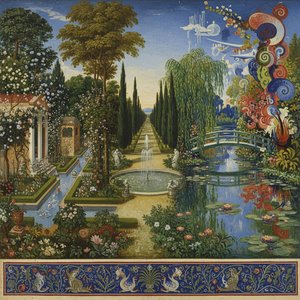
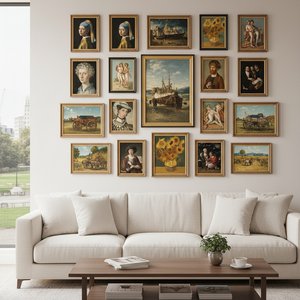
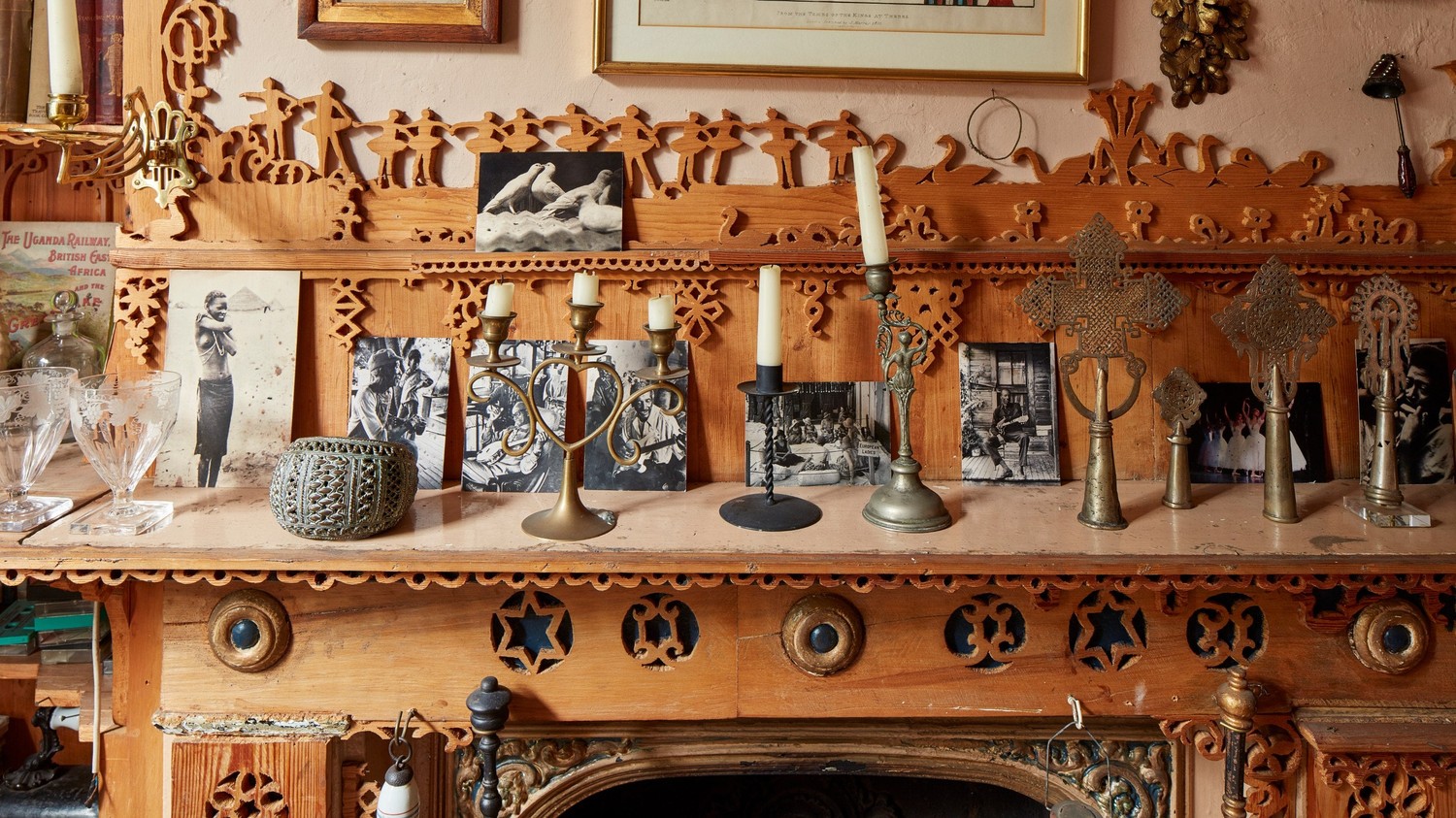
Más allá de la magnificencia estructural, las colecciones del National Trust presumen de una profundidad asombrosa de mérito artístico que continúa inspirando tanto a amantes del arte como a coleccionistas. Con más de un millón de objetos a su disposición, el Trust cura un mundo donde pinturas, artes decorativas y libros raros se exhiben dentro de sus contextos históricos originales. Este enfoque permite al espectador apreciar no solo la brillantez estética de una pincelada, sino también la importancia cultural del objeto en sí mismo. Desde los delicados grabados y paisajes evocadores de James Struthers Stewart hasta los conmovedores detalles ecuestres que se encuentran en obras como 'Tommy', a Bay Pony de Florence Mabel Hollams, cada pieza sirve como un hilo vital en un tapiz histórico más amplio. Para el diseñador de interiores, estas colecciones ofrecen una inspiración infinita, mostrando cómo el arte y el mobiliario pueden armonizar con la arquitectura para definir el carácter de un espacio.
La existencia misma de estos tesoros es un testimonio de un legado de preservación que comenzó en 1895. Fundado por los visionarios Octavia Hill, Sir Robert Hunter y Hardwicke Rawnsley, el National Trust surgió de la profunda necesidad de proteger la belleza natural de Gran Bretaña y sus monumentos históricos frente al avance implacable del progreso. Lo que comenzó como una misión para salvaguardar los espacios abiertos ha evolucionado hacia un compromiso integral con la protección de los restos tangibles de la creatividad humana. Este sentido de custodia está profundamente arraigado en la identidad de la organización, fomentando un vínculo único de propiedad pública. Visitar estos sitios es participar en un acto continuo de conservación, asegurando que los ecos arquitectónicos y las obras maestras artísticas del pasado permanezcan vibrantes y accesibles para las generaciones venideras.