




A Siberian Jewel: Unveiling the Irkutsk Regional Art Museum
Nestled amidst the dramatic landscapes of southern Siberia, where the mighty Angara River carves its path towards Lake Baikal – a lake so ancient it’s often called the “Cradle of Russia” – lies the Irkutsk Regional Art Museum. More than simply a repository of artistic treasures, this museum is a vibrant testament to the region's complex and captivating history, a place where echoes of explorers, exiled artists, and indigenous traditions resonate within its ornate walls. Founded upon the visionary collection amassed by Vladimir Sukachev at the turn of the 20th century, the museum stands as a crucial link between Russia’s imperial past and its enduring artistic spirit – a cultural beacon illuminating the soul of Siberia.
Stepping through the museum's doors is akin to entering another era. The building itself, constructed in 1881, is a magnificent example of late Russian Revival architecture, a harmonious blend of grand proportions and subtle Siberian influences. Its soaring ceilings, intricate detailing, and spacious galleries create an atmosphere of contemplative beauty, perfectly suited for appreciating the diverse collection housed within. But it’s not just the building that captivates; it's the stories held within each brushstroke, each meticulously crafted icon, and each vibrant folk art piece. The museum’s core strength lies in its unparalleled depth of Siberian iconography and folk art – rare and exquisite pieces offering a profound glimpse into the spiritual beliefs, daily life, and artistic traditions of the region’s indigenous peoples. From intricately painted shamanic masks depicting powerful spirits to exquisitely embroidered textiles illustrating ancient myths and legends, these works speak volumes about a culture deeply connected to the land and steeped in ritual.
The Legacy of Vladimir Sukachev
The story of the Irkutsk Regional Art Museum is inextricably linked to Vladimir Platonovich Sukachev, a man whose vision shaped its very foundation. A wealthy philanthropist with deep roots in Irkutsk’s prominent merchant families, Sukachev recognized the need for a public gallery accessible to all – a space where art could inspire and educate the community. Beginning his remarkable collection in the 1870s, he amassed works through exhibitions, auctions, and direct patronage of artists, driven by a desire to foster a thriving artistic environment within Siberia. His foresight culminated in the construction of Siberia’s first dedicated art museum building in 1881, laying the groundwork for the institution we know today. Sukachev's commitment extended beyond mere acquisition; he actively championed the development of local talent and fostered a lasting legacy of artistic patronage that continues to inform the museum’s identity – a dedication to preserving and promoting regional cultural heritage remains at its heart.
Sukachev’s collection wasn’t merely assembled; it was carefully curated with an eye toward representing the diverse artistic expressions of Siberia. He understood that true beauty lay not just in individual masterpieces, but also in the collective narrative of a region – a narrative woven through centuries of tradition and shaped by its unique geography and cultural encounters. His influence is palpable throughout the museum’s galleries, from the placement of iconic works to the organization of thematic exhibitions that explore the intricate relationship between art, religion, and social life.
A Cultural Hub in the Heart of Siberia
The Irkutsk Regional Art Museum is far more than just a static display of artworks; it's a dynamic cultural hub actively engaged with its community. Through thoughtfully curated exhibitions that delve into specific themes and artistic movements, engaging workshops for all ages, and educational programs designed to foster a deeper understanding of Siberian and Russian art, the museum strives to connect visitors with the creative spirit of the region. The museum also serves as a vital platform for emerging artists, providing opportunities to showcase their work alongside established masters – a testament to its ongoing commitment to nurturing local talent. Notably, recent exhibitions have explored themes ranging from traditional shamanic beliefs and their visual representations to contemporary interpretations of Siberian identity, demonstrating the museum’s commitment to engaging with both its historical roots and the evolving artistic landscape.
Its strategic location in Irkutsk, a city steeped in history and natural beauty, close to the breathtaking Lake Baikal, further enhances its appeal. The museum frequently hosts events that celebrate local traditions, showcasing folk music, dance, and crafts alongside its art collections – creating a truly immersive cultural experience for visitors. The surrounding region offers ample opportunities for exploration, from hiking through pristine wilderness areas to visiting ancient archaeological sites, making the Irkutsk Regional Art Museum a perfect starting point for any journey into Siberia’s rich heritage.
Treasures of Siberian Art & Beyond
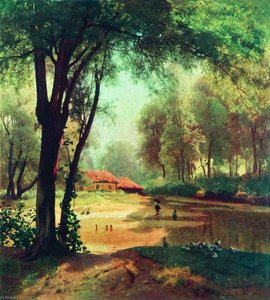
The museum’s collection encompasses a remarkable breadth of artistic styles and periods. Alongside the celebrated regional icons and folk art – many considered to be among the finest examples in Russia – visitors will encounter iconic paintings from across Russian history, including works by Repin, Shishkin, and other masters that provide a comprehensive overview of the nation's artistic journey. The collection also includes significant examples of Siberian landscape painting, reflecting the dramatic beauty of the region’s vast wilderness, often capturing the ethereal light and imposing scale of Lake Baikal itself. The museum holds a particularly impressive array of religious icons, showcasing the unique stylistic traditions developed within Siberia over centuries – each icon telling a story of faith, devotion, and artistic skill. The collection also features examples of avant-garde art from the early 20th century, reflecting the influence of European movements on Russian artists and demonstrating the museum’s commitment to presenting a diverse and evolving narrative of Siberian art.
What Makes It Unique? The Irkutsk Regional Art Museum stands apart due to its unwavering focus on regional identity. Unlike many national museums that prioritize international masterpieces, this institution celebrates the artistic heritage of Siberia – offering a unique perspective on Russian art and culture. It’s a place where one can discover the subtle nuances of Siberian iconography, marvel at the intricate craftsmanship of folk art traditions, and gain a deeper understanding of the region’s rich history and cultural diversity. For collectors seeking distinctive pieces with a strong sense of place, interior designers looking for inspiration from unique artistic styles, or simply anyone captivated by the beauty and power of art, the Irkutsk Regional Art Museum promises an unforgettable journey into the heart of Siberia’s creative soul.


