A Royal Tapestry Woven in Stone: Discovering Peleș National Museum
Nestled high within the breathtaking embrace of Romania’s Carpathian Mountains, near the charming town of Sinaia, stands Peleș Castle – a monument not merely to royal ambition, but to a nation's blossoming identity. More than just a palace, it is a meticulously crafted dream rendered in stone and glass, a Neo-Renaissance masterpiece commissioned by King Carol I and Queen Elizabeth that whispers tales of a bygone era. To wander its halls is to step into the heart of Romanian history, to witness the confluence of artistic styles, and to appreciate an architectural innovation that was remarkably ahead of its time. The castle’s very existence speaks volumes about Romania's journey towards independence and modernization in the late 19th and early 20th centuries; it wasn’t simply built *in* Romania, but *for* a newly confident Romania eager to take its place on the European stage. The story of Peleș is inextricably linked with the forging of a national identity, a visual declaration of sovereignty carved into the mountainside. The castle's strategic location, bridging the historical routes between Transylvania and Wallachia, further cemented its role as a symbol of unity and progress – a deliberate statement of Romania’s growing power and sophistication.
An Architectural Symphony of Styles
The architectural narrative of Peleș Castle is one of deliberate eclecticism. King Carol I, dissatisfied with initial designs that felt derivative, sought something truly original. What emerged was a harmonious blend of Italian Renaissance elegance and German New-Renaissance aesthetics, executed with an unparalleled attention to detail. The castle isn’t a slavish imitation of any single style; rather, it's a carefully curated composition, drawing inspiration from diverse sources while forging its own unique identity. The imposing Main Central Tower, soaring 66 meters into the mountain air, serves as a dramatic focal point, a beacon visible for miles around – a testament to both ambition and engineering prowess. Intricate woodwork – often carved with scenes of Romanian folklore and history, depicting traditional costumes, rural life, and legendary figures – adorns nearly every surface, creating an immersive environment that transports visitors back in time. Stained glass windows filter light into jewel-toned patterns across marble floors, transforming the castle’s interior into a kaleidoscope of color and texture. Remarkably, Peleș Castle was also a pioneer in technological advancement, becoming the world’s first castle fully powered by locally produced electricity, a testament to Romania's embrace of modernity during this period. This wasn’t merely a show of opulence; it was a statement about progress and innovation, reflecting the ambitions of a nation looking towards the future. The careful integration of these diverse influences – from the grandeur of Italian palaces to the meticulous detail of German craftsmanship – creates an atmosphere that is both regal and profoundly Romanian.
A Glimpse into Royal Life and Artistic Treasures
The interiors of Peleș Castle are not merely decorative; they offer an intimate glimpse into the lives, tastes, and passions of the Romanian royal family. The museum houses an extraordinary collection of European art, encompassing paintings, sculptures, and decorative arts acquired by King Carol I and Queen Elizabeth over decades. These works weren’t simply collected as status symbols but reflected a genuine appreciation for artistic excellence – from portraits of European royalty to landscapes capturing the beauty of Romania's countryside. Beyond the celebrated artworks, the castle is filled with personal memorabilia – portraits, furniture, clothing, and everyday objects – that bring the royal inhabitants to life. One can almost imagine Queen Elizabeth poring over her beloved books in one of the exquisitely decorated libraries or King Carol I strategizing matters of state within the richly paneled study. The collection isn’t limited to fine art; it extends to arms and armor, porcelain, gold, silver, and intricate textiles – each piece contributing to a comprehensive portrait of royal life at the turn of the century. The sheer breadth of the collection speaks to the discerning eye and cultivated tastes of its royal patrons, transforming Peleș into a veritable treasure trove of European artistry. The meticulous attention paid to detail in every room—from the placement of furniture to the selection of fabrics—reveals a deep understanding of aesthetics and a desire to create an environment that was both beautiful and functional.
A Legacy Etched in History
Construction began in 1873, spanning over four decades and witnessing significant contributions from architects Johannes Schultz, Carol Benesch, and Karel Liman. It served not only as a summer retreat and hunting preserve for the royal family but also as a vital center for political activity and diplomatic engagements. The castle bore witness to pivotal moments in Romanian history, including periods of war, political upheaval, and ultimately, the end of the monarchy. Today, Peleș National Museum stands as a powerful symbol of national pride, attracting visitors from around the globe who come to marvel at its beauty, explore its rich history, and connect with Romania’s cultural heritage. The castle's enduring appeal lies not only in its architectural grandeur but also in its connection to a pivotal period in Romanian history – a time of transformation, ambition, and national identity formation. Its unique location, nestled amidst the serene beauty of the Carpathian Mountains, adds another layer of enchantment to the experience, offering breathtaking views and a sense of tranquility that transports visitors back in time.
Notable Exhibitions & Future Developments
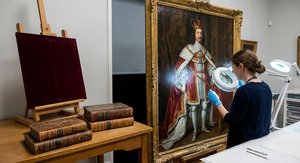
While the permanent collection remains the heart of Peleș National Museum, the museum regularly hosts temporary exhibitions that delve deeper into specific aspects of Romanian history, art, and culture. These events often feature loans from other museums and collections around the world, providing fresh perspectives on familiar themes. Furthermore, ongoing restoration projects are meticulously preserving the castle’s architectural integrity and ensuring that future generations can continue to appreciate its beauty and historical significance. Plans for a dedicated research center are also underway, promising to further enhance the museum's role as a leading institution for the study of Romanian history and art. The museum continually strives to engage visitors through interactive displays, educational programs, and digital resources, making this remarkable landmark accessible to audiences both near and far.