Explore el arte dramático y expresivo de El Greco (Doménikos Theotokopoulos). Descubra sus pinturas manieristas icónicas, temas religiosos, figuras alargadas e influencia duradera en el Expresionismo y el Cubismo. Admire obras maestras como 'Vista de Toledo'!
Hospital Tavera: Un eco florentino en el corazón de Toledo
El Hospital Tavera se erige como un testimonio de la grandeza de la arquitectura renacentista española y del mecenazgo artístico, anidado entre las antiguas murallas de Toledo. Más que un simple edificio que alberga un museo, encarna siglos de historia: una conmovedora mezcla de fe, ambición e innovación arquitectónica que continúa cautivando a los visitantes en la actualidad. Su exterior modesto esconde espacios interiores asombrosos y una colección extraordinaria resguardada entre sus muros, convirtiéndolo en un destino inigualable para cualquiera interesado en profundizar en el patrimonio artístico de España.
Maravilla Arquitectónica:
Encargado por el Cardenal Tavera entre 1541 y 1603, el Hospital Tavera representa una adaptación magistral de los principios del diseño de los palacios florentinos. Arquitectos como Alonso de Covarrubias diseñaron con destreza dos impresionantes patios adornados con elegantes arcadas, una elección deliberada para elevar el estatus del hospital y reflejar el prestigio asociado a los ideales humanistas que predominaban durante el Renacimiento.
La Cripta de la Iglesia:
En su corazón late una magnífica iglesia que alberga la cripta de la Casa Ducal de Medinaceli. Este espacio se ilumina a través de vidrieras que representan escenas bíblicas, creando una atmósfera de belleza solemne y reforzando el papel del hospital como un sitio sagrado.
Una Fachada de Distinción:
La fachada de estilo italiano, completada en el siglo XVIII, exhibe ventanas simétricas enmarcadas por columnas corintias, una declaración deliberada de grandeza que refleja la influencia barroca que penetró sutilmente en el paisaje artístico de Toledo.
Tesoros en su Interior: Una Revelación Renacentista
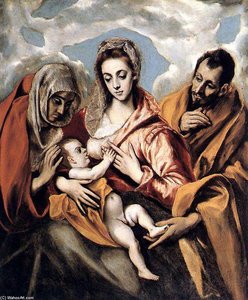
La colección del Museo Fundación Lerma es una verdadera cornucopia de obras maestras artísticas que abarcan todo el periodo renacentista. Entre sus piezas más celebradas se encuentran las obras de El Greco, cuyas pinceladas expresivas y su intensidad espiritual resuenan con fuerza en el espectador. Resultan particularmente notables las esculturas que representan a San Juan Bautista y San Felipe, ejemplos del arte manierista que demuestran la fascinación del artista por el dinamismo y la profundidad psicológica. Asimismo, los visitantes pueden admirar pinturas de Tiziano, que capturan el esplendor veneciano y los ideales humanistas. Los conservadores del Museo Fundación Lerma han investigado y documentado meticulosamente cada pieza, proporcionando una visión invaluable de las técnicas artísticas y los contextos culturales.
Más allá de El Greco y Tiziano:
Expandiéndose más allá de estos titanes del arte renacentista, el museo cuenta con una diversa variedad de obras de Ribera, Tintoretto, Luca Giordano, Jacobe Bassano, Snyders y Zurbarán; cada artista contribuye al legado artístico de Toledo con estilos y perspectivas distintivas.
Una Ventana a la Historia Médica:
No se pierda la antigua farmacia preservada, que ofrece una conexión tangible con el pasado de Toledo. Sus boticarios y utensilios ofrecen vislumbres fascinantes de las prácticas médicas durante la era renacentista, un recordatorio de que el arte y la ciencia se entrelazaron para dar forma a la vida intelectual.
Significado Histórico y Contexto Cultural
La historia del Hospital Tavera se extiende mucho más allá de su esplendor arquitectónico y sus tesoros artísticos. Concebido originalmente como un hospital para el Cardenal Tavera, sirvió tanto como instalación médica como mausoleo, siendo un símbolo conmovedor de la piedad humanista y el mecenazgo aristocrático. Su ubicación fuera de las murallas de la ciudad subrayaba su importancia como faro de fe y conocimiento en medio del turbulento panorama político de España durante el siglo XVI.
Exposiciones Destacadas y Compromiso Continuo
El Museo Fundación Lerma organiza regularmente exposiciones que exploran temas relacionados con el arte renacentista, la historia del arte ibérico y las interpretaciones contemporáneas del patrimonio cultural de Toledo. Estos eventos atraen tanto a académicos como a entusiastas, demostrando el compromiso del museo por fomentar el diálogo y promover la apreciación artística.
Una Experiencia Única en Toledo
Finalmente, cabe considerar que el Hospital Tavera ha servido como escenario para películas como “Viridiana” de Luis Buñuel, consolidando su lugar en la historia cinematográfica. Visitar esta joya arquitectónica ofrece no solo una inmersión en el arte y la historia, sino también un vistazo a la perdurable influencia de Toledo en la creatividad artística: una experiencia verdaderamente inolvidable.
Por el equipo editorial de OriginalUniqueArt.com
Test de arte
Cada pregunta tiene una única respuesta correcta.
Pregunta 1:
¿Quién encargó la construcción del Hospital Tavera?
Pregunta 2:
¿Qué estilo arquitectónico se refleja en los dos impresionantes patios del hospital con elegantes arcadas?
Pregunta 3:
La iglesia dentro del Hospital Tavera alberga la cripta de ¿qué casa?
Pregunta 4:
¿Las obras de qué artista, conocidas por su intensidad espiritual, se encuentran entre las piezas más celebradas del museo?
Pregunta 5:
¿Qué elemento histórico proporciona una conexión tangible con las prácticas médicas durante la era del Renacimiento?
Explore the captivating world of El Greco! Discover his unique style, spiritual intensity, and lasting impact on art history. Learn about this Renaissance master's life, iconic paintings & legacy.
Descubre las 25 obras maestras de El Greco, el genio del Renacimiento español. Explora su arte religioso, manierismo y la historia detrás de cuadros icónicos como 'El Entierro del Conde de Orgaz'. Encuentra reproducciones de alta calidad en OriginalUniqueArt.com.
OAsistente de estudioEn línea · responde en un minuto
¡Hola! Puedo ayudarte a elegir una obra de arte, realizar el seguimiento de un pedido o resolver tus dudas sobre la garantía. ¿En qué puedo ayudarte hoy?