


Un Tapiz del Tiempo: El Alma de la Maestría Artística de Westfalia
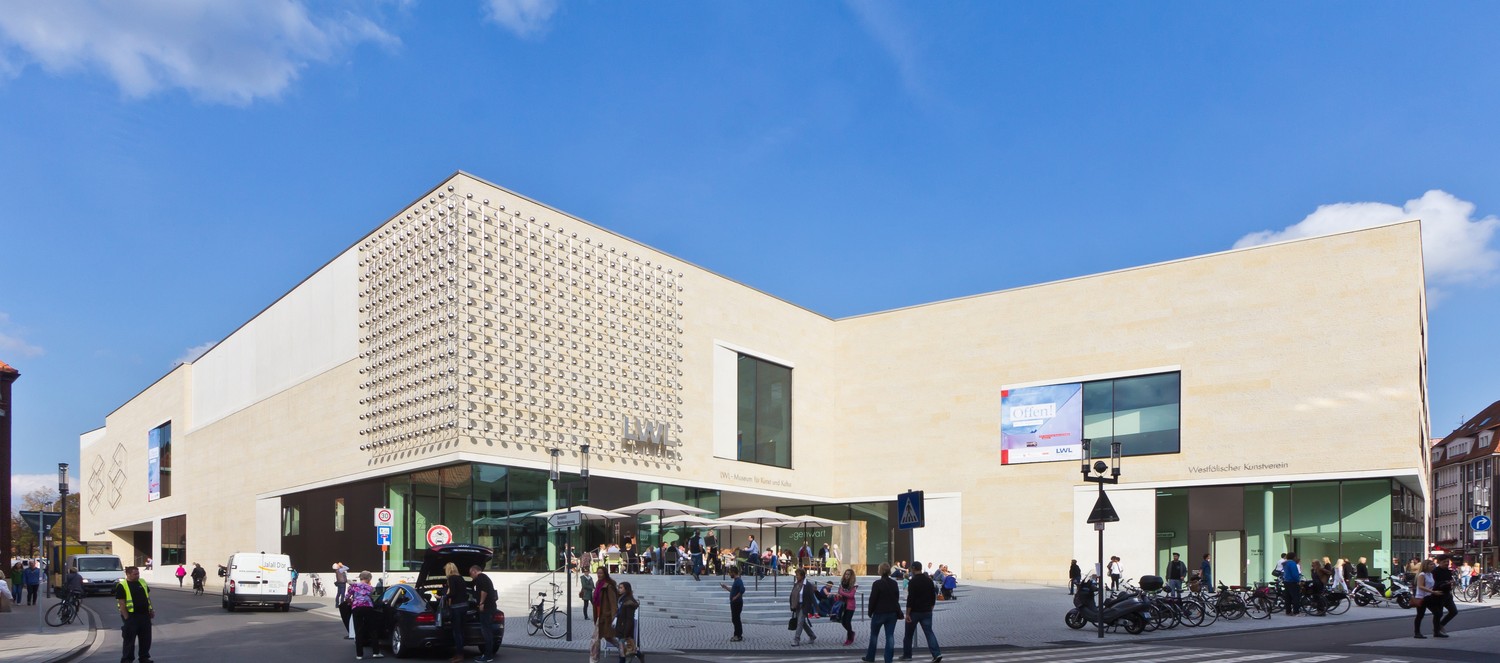
En el corazón de Münster, donde la historia respira a través de sus calles empedradas, el Westfälisches Landesmuseum se erige como un profundo santuario para el espíritu errante. No es simplemente un repositorio de objetos, sino una narrativa viva que traza el pulso de Westfalia, desde sus antiguas raíces arqueológicas hasta la luz vibrante y fracturada del modernismo. Adentrarse en sus salas es embarcarse en un viaje a través de las capas de la experiencia humana, donde el peso de la devoción medieval se encuentra con la energía rebelde del siglo veinte. El museo actúa como un puente entre eras, ofreciendo un espacio donde los susurros silenciosos de los asentamientos romanos y las tradiciones germánicas encuentran su voz junto a las audaces declaraciones cromáticas de los maestros expresionistas. p>
El verdadero latido de la colección reside en su exquisita maestría del periodo Gótico Tardío . Aquí, el espectador es transportado a una era de profunda intensidad espiritual, donde la escultura y las pinturas sobre tabla fueron creadas no solo como decoración, sino como conductos para lo divino. La intrincada artesanía de estos tesoros medievales revela un mundo de profundidad simbólica, donde cada pliegue tallado en los ropajes y cada detalle dorado sirven para invitar a la contemplación. Esta atmósfera sagrada encuentra un contrapunto fascinante en las obras renacentistas del museo. El legado de Lucas Cranach el Viejo y el Joven permea las galerías, presentando una era transformadora donde el intelecto humanista comenzó a danzar con la iconografía religiosa. Sus retratos, caracterizados por una atención meticulosa al detalle y un floreciente sentido de la identidad individual, ofrecen una ventana al despertar intelectual que remodeló la conciencia europea.
De la Tradición Contemplativa a la Vitalidad Expresionista
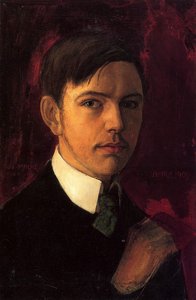
A medida que uno recorre el paisaje cronológico del museo, la atmósfera cambia de lo contemplativo a lo explosivo. El siglo veinte llega con una vitalidad repentina y asombrosa a través de las obras de Der Blaiente Reiter y Die Brücke . La presencia de las composiciones de August Macke aporta una oleada de color y emoción, donde el lienzo se convierte en un campo de batalla de impulso puro y forma experimental. Estas visiones expresionistas, caracterizadas por su desafío a la rigidez académica, proporcionan una tensión emocionante frente a las tradiciones más estructuradas del pasado. Para el coleccionista o el amante de las bellas artes, esta yuxtaposición ofrece una oportunidad única para presenciar la evolución del lenguaje visual: desde la estabilidad simbólica del Gótico hasta la inestabilidad emotiva de la era moderna.
Más allá de los lienzos y las esculturas, la propia arquitectura del museo actúa como un protagonista silencioso en este drama cultural. Recientemente revitalizado mediante cuidadosas renovaciones, el edificio mismo es un triunfo del diseño moderno, con galerías luminosas que permiten que la luz juegue sobre las superficies de madera antigua y óleo contemporáneo. El espacio ha sido reimaginado meticulosamente para fomentar tanto el descubrimiento como el diálogo, creando un entorno donde los tesoros arqueológicos del pasado de Westfalia pueden coexistir en armonía con un diseño de exhibición de vanguardia. Para diseñadores de interiores y estetas, el museo proporciona una inspiración infinita, demostrando cómo la luz, el espacio y la profundidad histórica pueden fusionarse para crear una atmósfera verdaderamente inmersiva. Sigue siendo un destino donde el arte no se limita a colgar en una pared, sino que insufla vida a la historia, invitando a cada visitante a reconectarse con el espíritu perdurable de la cultura europea.





