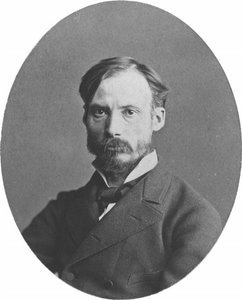
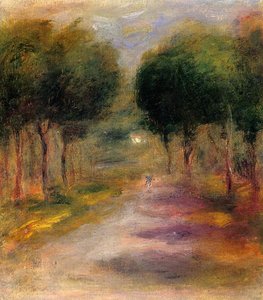
Explore el vibrante mundo de Pierre-Auguste Renoir (1841-1919), un destacado pintor impresionista celebrado por sus luminosas retratos, escenas de la vida parisina y la belleza femenina. Descubre su legado y las contribuciones artísticas de su familia.
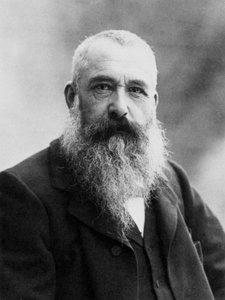
¡Explora a Claude Monet (1840-1926), el fundador del Impresionismo! Descubre nenúfares icónicos, paja y paisajes que capturan la luz y la esencia de la naturaleza. Una figura fundamental en el arte moderno.
Descubre a Thomas Cole (1801-1848), fundador de la Escuela del Río Hudson! Explora sus paisajes románticos, obras alegóricas como 'El Curso del Imperio' y su profunda influencia en el arte americano.
Un Faro de Aprendizaje y Deleite Estético: El Allen Memorial Art Museum
Enclavado en la vibrante comunidad académica de Oberlin College, en Ohio, el Allen Memorial Art Museum se erige como un testimonio del poder del arte para inspirar, educar y conectarnos a través de las culturas y el tiempo. Fundado en 1917 gracias al generoso legado del Dr. Dudley Peter Allen, el museo ha florecido hasta convertirse en una institución distinguida que alberga más de 15,000 obras, representando un espectro notablemente diverso de la expresión artística. Más que un simple repositorio de objetos bellos, el AMAM funciona como una herramienta pedagógica dinámica para estudiantes y profesores, extendiendo simultáneamente su abrazo enriqueciente al público general mediante la entrada gratuita y programas cautivadores. Cruzar sus umbrales es embarcarse en un viaje que abarca siglos y continentes, encontrando obras maestras que susurran historias de creatividad humana y evolución cultural.
Armonía Arquitectónica: Un Diálogo entre Eras
Una Colección Rica en Profundidad y Diversidad
<
Más allá del Lienzo: Un Espíritu Institucional Único
Armonía Arquitectónica: Un Diálogo entre Eras
El edificio del museo encarna, por sí mismo, una fascinante narrativa arquitectónica. Concebida originalmente bajo el estilo del Renacimiento italiano por el prominente arquitecto Cass Gilbert, la estructura inicial emana una sensación de elegancia clásica y gracia atemporal. Esta visión fundacional fue audazmente ampliada en 1977 con una adición diseñada por el influyente dúo posmodernista Robert Venturi y Denise Scott Brown. Su contribución marcó uno de los primeros ejemplos significativos de la arquitectura posmoderna en los Estados Unidos, introduciendo geometrías lúdicas y un rechazo deliberado a los estrictos principios modernistas. La yuxtaposición resultante —un diálogo armonioso entre la reverencia histórica y la innovación contemporánea— crea un entorno visualmente estimulante que refleja la naturaleza ecléctica de la colección que alberga. Demostrando además su compromiso con una gestión responsable, el museo se sometió a una remodelación sustancial en 2011, obteniendo la certificación LEED Gold por sus características de diseño sostenible, asegurando así que su legado perdure para las generaciones venideras.
Una Colección Rica en Profundidad y Diversidad
Las propiedades del AMAM son particularmente celebradas por su profundidad en áreas específicas. Notablemente, la colección de arte holandés y flamenco del siglo XVII es una verdadera fortaleza central, ofreciendo a los visitantes un encuentro íntimo con la edad de oro de la pintura: magistrales naturalezas muertas rebosantes de detalles simbólicos, paisajes evocadores que capturan la belleza de los Países Bajos y retratos cautivadores que revelan las personalidades de una era pasada. Más allá de Europa, el museo presume de una excepcional colección de arte asiático que abarca pinturas, pergaminos, esculturas y artes decorativas, proporcionando una ventana a las ricas tradiciones artísticas de Oriente. El acervo se extiende para incluir obras significativas sobre papel —grabados, dibujos y fotografías— con un conjunto particularmente impresionante de estampas Ukiyo-e de Japón, que exhiben el vibrante mundo del arte xilográfico del período Edo. Tanto para académicos como para entusiastas, el museo salvaguarda los archivos de Eva Hesse, figura fundamental de la escultura estadounidense de posguerra, ofreciendo perspectivas invaluables sobre su proceso creativo a través de cuadernos, diarios y correspondencia.
Más allá del Lienzo: Un Espíritu Institucional Único
Lo que realmente distingue al Allen Memorial Art Museum es su espíritu institucional único: un compromiso con la accesibilidad y el fomento del aprecio por el arte dentro de la comunidad. El renombrado programa de alquiler de arte, iniciado en la década de 1940, permite a los estudiantes de Oberlin College tomar prestadas obras de arte originales para sus dormitorios a un precio notablemente asequible. Esta iniciativa no solo enriquece la experiencia estudiantil, sino que también cultiva un compromiso con el arte para toda la vida. Además, la dedicación del museo a la educación se extiende más allá del campus universitario mediante programas públicos dinámicos, visitas guiadas y recursos adaptados a diversos públicos. La supervisión de la Casa Weltzheimer/Johnson de Frank Lloyd Wright subraya aún más el compromiso del AMAM con la preservación arquitectónica y su papel como centro cultural. Ya sea que usted sea un coleccionista ávido en busca de inspiración, un diseñador de interiores que busca guía estética o simplemente un visitante curioso ansioso por explorar el mundo a través del arte, el Allen Memorial Art Museum promete una experiencia inolvidable: un viaje de descubrimiento que perdurará mucho después de cruzar sus puertas.
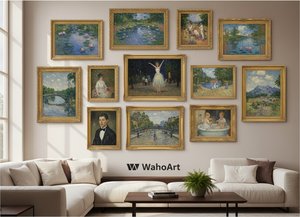
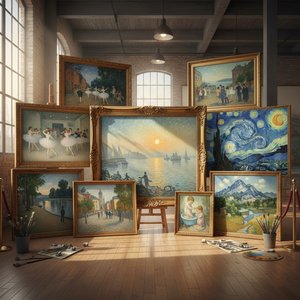
Descubre los 10 cuadros impresionistas más influyentes de Monet, Renoir y Degas. Explora la historia, técnica y belleza de este movimiento artístico. Reproducciones de arte en OriginalUniqueArt.com para decorar tu hogar con estilo.
Descubre los 10 cuadros impresionistas más influyentes de Monet, Renoir y Degas. Explora la historia, técnica y colores vibrantes del impresionismo. Encuentra reproducciones de arte exclusivas en OriginalUniqueArt.com.
OAsistente de estudioEn línea · responde en un minuto
¡Hola! Puedo ayudarte a elegir una obra de arte, realizar el seguimiento de un pedido o resolver tus dudas sobre la garantía. ¿En qué puedo ayudarte hoy?