

Un Santuario de Fe y Legado Artístico
Enclavado en el corazón histórico de Eger, Hungría —una ciudad célebre por su espíritu desafiante durante los asedios otomanos y su floreciente herencia vinícola— se encuentra el Museo Cristiano , o Keresztény Múzeum . Esta singular institución es mucho más que un mero repositorio de artefactos; actúa como un profundo guardián del legado religioso de Hungría. Cruzar sus puertas es embarcarse en un viaje inmersivo a través de siglos de expresión artística nacida de una devoción inquebrantable. El museo invita a los visitantes a ser testigos de las realículos tangibles de la historia húngara, donde las aspiraciones espirituales y la resiliencia histórica se entrelazan de manera inextricable. Es un lugar donde los ecos del pasado se encuentran con la belleza del presente, ofreciendo una visión sin igual de la evolución del arte religioso dentro de la región.
El alma de la colección reside en su extraordinario conjunto de obras maestras medievales, donde cada pieza actúa como un tapiz vibrante tejido con hilos de fe y brillantez artística. Estas obras trascienden su importancia cronológica, sirviendo como ventanas a las almas de los artistas que buscaron encapsular la majestad divina mediante una artesanía meticulosa. Dominando las salas del museo se encuentra el Retablo del Calvario , un logro impresionante del arte medieval. Su intrincado detalle —que incluye paneles de vitrales que representan escenas de la Pasión de Cristo con pigmentos vibrantes— captura el drama puro y la emoción de las narrativas bíblicas, transportando a los espectadores a una era definida por una piedad ferviente. Igualmente impactante es El Ataúd del Señor , una ornamentada reliquia de madera que ofrece una visión excepcional de las costumbres funerarias y las creencias simbólicas de una época pasada, demostrando un dominio magistral de la técnica escultórica.
Un Panorama de Metamorfosis Espiritual
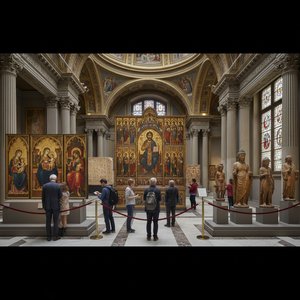
A medida que uno se adentra en el museo, la colección se expande hacia un rico panorama de pinturas que abarcan desde el siglo XIV hasta el XIX. Esta progresión permite un estudio fascinante de la metamorfosis espiritual de Hungría, mostrando cómo los artistas experimentaron con nuevas técnicas y estilos en respuesta a la evolución de los temas religiosos y las transformaciones sociales. Desde el realismo estructurado del periodo gótico hasta la grandeza envolvente del barroco, los lienzos reflejan el profundo compromiso de Hungría con las corrientes artísticas europeas más amplias. Complementando estas obras de gran escala, se encuentra una cautivadora variedad de tesoros eclesiásticos, que incluyen objetos litúrgicos exquisitamente elaborados, como cálices y candelabros, junto a vestiduras adornadas con pan de oro e intrincados bordados que hablan del esplendor del mecenazgo aristocrático.
El contexto arquitectónico del museo proporciona un profundo sentido de continuidad, ya que el edificio mismo complementa armoniosamente sus tesoros artísticos. Rodeada de muros que han sido testigos de siglos de grandeza eclesiástica, la estructura evoca la solemnidad de los asentamientos monásticos y los centros de aprendizaje. Dentro de sus salas, techos abovedados se elevan sobre los visitantes, haciendo eco de la gravedad de las ceremonias litúrgicas, mientras que las fachadas de piedra recuerdan la fuerza perdurable de la región. Esta unidad arquitectónica fomenta una conexión más profunda entre el observador y la narrativa histórica que se despliega en el espacio. Para los amantes del arte, coleccionistas y diseñadores de interiores por igual, el Museo Cristiano se erige como un destino esencial: un santuario donde el poder perdurable del arte para transmitir verdades espirituales permanece vibrante y vivo.