Un Palacio de Luz que Abraza el Alma del Impresionismo
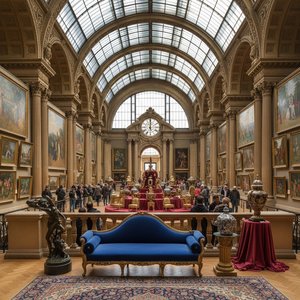
El Musée d'Orsay es mucho más que un mero repositorio de lienzos y pigmentos; es una profunda experiencia sensorial, un viaje de regreso al corazón vibrante y palpitante de la revolución artística del siglo XIX. Situado dentro de la majestuosa antigua estación de tren Gare d'Orsay, el museo se erige como un testimonio impresionante de la belleza que se encuentra en la transformación. Construida originalmente como una obra maestra de la arquitectura Beaux-Arts para la Exposición Universal de París de 1900, esta estructura monumental fue diseñada para facilitar el movimiento de personas y vapor; hoy, facilita el movimiento del alma. Al cruzar sus imponentes techos de cristal, bañados por la suave luz natural que se filtra a través de intrincados marcos de hierro, los visitantes entran en un espacio donde el pasado industrial y el presente artístico existen en un delicado y luminoso abrazo.
La colección albergada entre estos muros representa una de las concentraciones más celebradas de arte impresionista y postimpresionista que existen. Abarcando los años transformadores de 1848 a 1914, el museo ofrece una ventana sin precedentes a una era definida por la experimentación audaz y una nueva obsesión con la naturaleza fugaz de la luz. Es imposible recorrer estas salas sin verse atraído por los reinos inmersivos y oníricos de Claude Monet, cuyos monumentales Nenúfares invitan a una contemplación profunda y meditativa del color y la atmósfera. La intensidad emocional de la época es igualmente palpable en las obras de Vincent van Gogh, donde pinceladas arremolinadas y una paleta turbulenta capturan la energía cruda y visceral de la condición humana. Desde las delicadas escenas moteadas de luz de Renoir hasta la brillantez estructural de Cézanne, cada galería funciona como un capítulo en la historia de cómo el arte se liberó de la tradición para abrazar el mundo moderno.
La grandeza arquitectónica del propio edificio actúa como un protagonista silencioso en la narrativa del museo. Diseñada por el legendario Gustave Eiffel y los arquitectos Henri Garnier Frères, el propósito original de la estación —servir como puerta de entrada entre París y Londres— aún permanece grabado en sus propios huesos. La vasta y abierta nave, que alguna vez estuvo llena del rítmico estrépito de las locomotoras, proporciona ahora un escenario impresionante para obras maestras que exigen espacio para respirar. Esta yuxtaposición de hierro pesado y arte delicado crea una tensión única; la fuerza de la era industrial sostiene la belleza etérea del movimiento impresionista. Para el diseñador de interiores o el amante de la estética refinada, el museo ofrece una clase magistral sobre cómo la luz y la estructura pueden manipularse para realzar el impacto emocional de un objeto, convirtiendo un espacio funcional en un templo sagrado de la cultura.
Más allá de sus tesoros permanentes, el Musée d'Orsay sigue siendo una institución viva y palpitante a través de sus exposiciones temporales que profundizan en los matices más sutiles de la historia del arte. Estos recorridos curados exploran a menudo las intersecciones entre la escultura, la innovación y el cambio social, incitando a los visitantes a reconsiderar las narrativas establecidas y a descubrir los hilos ocultos que conectan diferentes movimientos. Mediante programas educativos y un compromiso global, el museo asegura que el legado del siglo XIX continúe resonando en las audiencias contemporáneas. Sigue siendo un lugar donde el pasado no es simplemente preservado, sino activamente reimaginado, ofreciendo un santuario perdurable para cualquiera que busque comprender el poder transformador de la luz, el color y la creatividad humana.