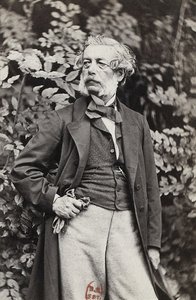
Descubre a Alexandre Cabanel (1823-1889), maestro del arte académico francés. Admira 'El Nacimiento de Venus' y sus retratos clásicos, reflejo del siglo XIX.
Descubre a Franz Xaver Winterhalter (1805-1873), retratista alemán de la realeza. Su arte fusiona realismo y halago, capturando la elegancia de las cortes europeas.
A Royal Legacy Preserved: Exploring Château de Compiègne’s Artistic Treasures
Château de Compiègne stands as a testament to France's multifaceted past—a place where imperial grandeur intertwined with artistic innovation and the echoes of revolution linger. More than just a stately château, it’s a curated experience offering visitors an unparalleled journey through centuries of history and artistry. Located near the serene Forest of Compiègne, this UNESCO World Heritage Site welcomes exploration into three distinct museums: The Apartments of Napoleon III, The Museum of the Second Empire, and The National Car and Tourism Museum—each contributing to a comprehensive narrative of French cultural evolution.
Architectural Grandeur:
Constructed initially in the 14th century, Château de Compiègne underwent significant transformations throughout its history, culminating in Napoleon III’s ambitious restoration project. The château embodies neoclassical elegance with its triangular plan and meticulously crafted facades—a deliberate reflection of Enlightenment ideals blended seamlessly with imperial ambition. Ange-Jacques Gabriel spearheaded this monumental undertaking, skillfully adapting the original medieval structure to create a palace that would rival Versailles in splendor.
A Window into Imperial Life:
Within The Apartments of Napoleon III, visitors are transported back to the opulent era of Emperor Napoleon III and Empress Eugénie. Furnished with exquisite Belle Époque artworks and decorative arts—including masterpieces by Alexandre Cabanel and Jules Bastien Lepage—these rooms reveal a fascination for grandeur and artistic patronage that defined the period. The museum’s curators have painstakingly recreated the atmosphere of royal residences, allowing guests to immerse themselves in the splendor of French imperial culture.
Beyond Decoration: Artistic Achievements
The Museum of the Second Empire showcases a remarkable collection of paintings and sculptures reflecting the artistic sensibilities of the time. Notably, Valentin de Boulogne’s “The Tribute to Caesar” (1620), a Baroque masterpiece brimming with dramatic chiaroscuro and emotional intensity, captivates viewers with its masterful technique—a cornerstone piece demonstrating the influence of Caravaggio's style on French artists. Furthermore, Antoine Jean Gros’ “The Battle of Abukir” (1839) portrays the Napoleonic Wars with visceral realism, capturing the dynamism and heroism of military conflict through a bold palette and expressive brushstrokes. These artworks serve as powerful reminders of France’s artistic prowess during a pivotal moment in European history.
Carriage Collection:
The National Car and Tourism Museum presents an extraordinary assemblage of carriages—a tangible link to the aristocratic lifestyle of bygone eras. These vehicles represent not merely transportation but also symbols of status and prestige, reflecting the tastes and aspirations of French nobility throughout the 18th and 19th centuries. Admire meticulously crafted examples from renowned workshops like François Nicolas Léonard Bourgery and Louis-Hippolyte Leblanc—testaments to craftsmanship and artistic vision.
A Singular Destination
What distinguishes Château de Compiègne is its multifaceted approach to historical storytelling. Combining architectural grandeur with artistic treasures—spanning from Baroque drama to Belle Époque elegance—the château offers visitors a holistic understanding of French cultural heritage. Its location amidst the tranquil Forest of Compiègne enhances the experience, creating an idyllic setting for contemplation and discovery. Explore this remarkable monument and delve into the captivating narratives woven within its walls—a journey through royal ambition, artistic innovation, and the enduring legacy of France’s imperial past.
Notable Exhibitions:
Château de Compiègne regularly hosts exhibitions exploring diverse themes—from Napoleonic art to decorative arts of the Belle Époque—providing visitors with fresh perspectives on French cultural history.
A Legacy Enduring Through Time
The château’s enduring appeal lies not only in its architectural splendor but also in its role as a repository of artistic treasures—a place where masterpieces from different eras converge to illuminate the spirit of France's past. Château de Compiègne continues to inspire artists and scholars alike, ensuring that its story—and its beauty—will resonate for generations to come.
Por el equipo editorial de OriginalUniqueArt.com
Test de arte
Cada pregunta tiene una única respuesta correcta.
Pregunta 1:
¿Qué estilo arquitectónico caracteriza al Castillo de Compiègne?
Pregunta 2:
¿Durante qué período histórico sirvió el castillo como asiento de poder significativo?
Pregunta 3:
¿Qué museo dentro del Castillo de Compiègne alberga los apartamentos restaurados de Napoleón?
Pregunta 4:
¿Qué tipo de obras maestras presenta principalmente la colección del Castillo de Compiègne?
Pregunta 5:
¿Qué estilo artístico incorporó Napoleón III en la transformación del castillo?
Explore the life & art of Simon Vouet, a pivotal French Baroque painter who introduced Italian styles to France. Discover his masterpieces and lasting influence on 17th-century art.
Explore the life & art of Charles Le Brun, master of French Baroque Classicism. Discover his royal commissions, influence on Versailles, and enduring legacy through detailed analysis & stunning artworks.
Explore the rich history of French art, from the Salon to Impressionism & beyond. Discover iconic masters, key movements, and expert guidance for collecting timeless masterpieces. OriginalUniqueArt.
OAsistente de estudioEn línea · responde en un minuto
¡Hola! Puedo ayudarte a elegir una obra de arte, realizar el seguimiento de un pedido o resolver tus dudas sobre la garantía. ¿En qué puedo ayudarte hoy?