

Un viaje a través del patrimonio artístico europeo: Explorando el Musée des Beaux-Arts d'Orléans
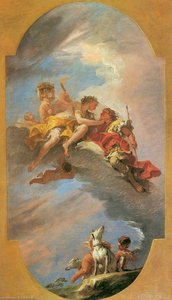
El Musée des Beaux-Arts d’Orléans se erige como un testimonio del compromiso perdurable de Francia con la excelencia artística, enclavado en el pintoresco Valle del Loira. Fundado en 1797, en medio del fervor de la Revolución Francesa, representa uno de los museos provinciales más antiguos de la nación: un repositorio de siglos de esfuerzo artístico y trascendencia cultural. Más que una simple colección de obras de arte, es una experiencia inmersiva que transporta a los visitantes a momentos cruciales de la historia del arte europeo.- Destacados de la colección: En su corazón late un conjunto extraordinario que abarca desde el siglo XV hasta el XX, centrado principalmente en la pintura y la escultura europeas. Los visitantes se encontrarán con obras maestras de luminarias tales como Correggio, Annibale Carracci, Guido Reni, Sebastiano Ricci, Diego Velázquez, Anthony van Dyck, Antoine Watteau, François Boucher, Hubert Robert, Eugène Delacroix (incluyendo su conmovedora “Cabeza de una mujer”) y Gustave Courbet; artistas que moldearon el paisaje artístico de su época.
- El paraíso del pastel: Quizás el logro más celebrado del museo sea su incomparable colección de pasteles, la segunda más grande de Francia. Este medio, conocido por sus tonalidades delicadas y texturas etéreas, permite una exhibición asombrosa de maestría, ofreciendo a los espectadores un vistazo íntimo al proceso creativo y capturando momentos fugaces con una precisión notable. La influencia de artistas como Victor François Tardieu y Charles François Jalabert se puede sentir en toda esta colección.
- Elegancia arquitectónica: Situada dentro de un edificio histórico que originalmente sirvió como el Palais épiscopal d’Orléans, la arquitectura del museo encarna la grandeza de su pasado. Su entorno sereno contribuye a una atmósfera propicia para la contemplación y el aprecio por el arte, una elección deliberada diseñada para realzar el compromiso del visitante con los tesoros artísticos que alberga.
La evolución del Musée des Beaux-Arts refleja la narrativa más amplia de la historia cultural francesa. El mecenazgo inicial de Jean Bardin y Aignan-Thomas Desfriches estableció sus cimientos, seguidos de periodos de cierre y renacimiento impulsados por generosas donaciones de figuras influyentes como Madame de Limay y artistas como Henri de Triqueti. Estas contribuciones consolidaron la posición del museo como un faro de erudición artística y fomentaron un entorno donde la creatividad floreció.
- Exposiciones notables: A lo largo de su historia, el Musée des Beaux-Arts ha acogido exposiciones innovadoras que han cautivado a audiencias de todo el mundo. Temas recurrentes exploran los movimientos artísticos —desde la grandeza del Barroco hasta el idealismo Romántico— iluminando las corrientes intelectuales y estéticas de cada era.
Lo que distingue a este museo de otros no es simplemente su tamaño o alcance, sino su inquebrantable dedicación a preservar y difundir el patrimonio artístico europeo. Sirve como un recurso vital para investigadores, estudiantes y cualquier persona ansiosa por profundizar en las historias cautivadoras incrustadas en las pinceladas y las formas esculpidas: un lugar donde la belleza trasciende el tiempo e inspira una reflexión profunda.