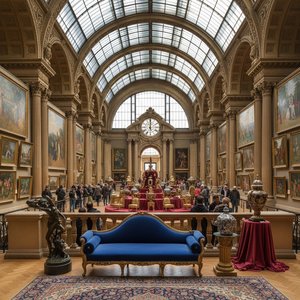
Una Crónica Viva de la Evolución Artística
Enclavado en el corazón de Béssières, el Musée des Beaux-Arts se erige como mucho más que un mero repositorio de reliquias silenciosas; es una crónica vibrante y palpitante de la creatividad humana y la transformación cultural. Como una de las primeras instituciones públicas de Francia dedicadas a la preservación de la belleza, el museo ofrece un viaje inmersivo a través del tiempo, donde los ecos de las civilizaciones antiguas armonizan con los trazos audaces de los maestros modernos. Cruzar sus puertas es entrar en un santuario donde la historia respira junto a una estética impresionante, invitando a los visitantes a perderse en una narrativa que abarca milenios. Ya sea que uno se sienta atraído por el profundo misterio de la antigüedad o por la energía luminosa de la era impresionista, el museo sirve como un puente entre el pasado olvidado y nuestra comprensión contemporánea del arte.
La colección en sí es un tesoro meticulosamente curado, diseñado para estimular tanto el intelecto como el alma. Los amantes del arte se verán cautivados por las Antigüedades Egipcias , donde momias exquisitamente elaboradas de Seramon ofrecen una ventana conmovedora a los rituales antiguos y a la eterna búsqueda humana de la inmortalidad. Este sentido de profundidad histórica continúa dentro del prestigioso Gabinete de Dibujos del museo, un santuario que alberga más de 5.500 obras que trazan la evolución misma de la técnica artística. Aquí, la delicada precisión de una sola línea revela la meticulosa maestría de generaciones pasadas. Para quienes buscan la grandeza de la tradición europea, la vasta gama de pinturas del museo —que se extiende desde la solemnidad del período gótico hasta los lienzos vibrantes y bañados por la luz de los siglos XIX y XX— presenta un panorama expansivo de movimiento y emoción, convirtiéndolo en una peregrinación esencial tanto para coleccionistas como para conocedores.
Armonía Arquitectónica y Visión Modernista
Más allá de sus legendarias colecciones, el Musée des Beaux-Arts es una obra maestra del diálogo arquitectónico. El edificio mismo, diseñado por un visionario discípulo del legendario Le Corbusier , encarna los principios del modernismo manteniendo, al mismo tiempo, un profundo respeto por su entorno natural. Es un ambiente donde la geometría se encuentra con la gracia orgánica, caracterizado por una disposición espacial que prioriza la entrada de luz natural. Esta elección deliberada de diseño crea una atmósfera luminosa propicia para la contemplación profunda, permitiendo que el juego entre la sombra y el brillo realce la conexión del espectador con cada obra de arte. Para los diseñadores de interiores y los amantes de la arquitectura refinada, el museo funciona como una clase magistral sobre cómo la forma estructural puede elevar la resonancia emocional del arte, creando una integración perfecta entre el contenedor y el tesoro que alberga.
El legado de la institución se ve enriquecido aún más por su papel como pionera de la cultura pública. Al establecer un acceso temprano a estas obras profundas, el museo ha actuado como un faro de educación e inspiración, fomentando un aprecio de por vida por las artes visuales dentro de la comunidad. Su historia está marcada por un compromiso con el descubrimiento, albergando frecuentemente exposiciones que cierran la brecha entre los clásicos establecidos y las voces emergentes. Iniciativas académicas recientes incluso han profundizado en temas complejos de identidad y representación, asegurando que el museo siga siendo un participante dinámico en el discurso cultural contemporáneo. En cada rincón del Musée des Beaux-Arts, se encuentra un testimonio del compromiso perdurable de Francia por salvaguardar su identidad cultural, ofreciendo un viaje inolvidable a través de la esencia misma de la expresión humana.