

Índice
Información clave
- Movements: realismo contemporáneo
- Works on APS: 4
- Location: Arras, France
- Art types: arte de pared
- Ver más…
- Alternate names:
- Museo de Bellas Artes
- Museo de las bellas artes de Arrás
- Museo de Arte de Arrás
- Museo de Bellas Artes de Arrás
- Musée des Beaux-Arts
- Featured artists:
- Eugène Delacroix
- Jean-Baptiste-Camille Corot
- Nicolaes Maes
- Charles-André van Loo
- Mediums: acrílico sobre lienzo
Test de arte
Cada pregunta tiene una única respuesta correcta.
Pregunta 1:
¿Qué es lo que hace principalmente famoso al Museo de las Bellas Artes de Arrás?
Pregunta 2:
¿Dónde está ubicado el Museo de las Bellas Artes de Arrás?
Pregunta 3:
¿Quién es considerado uno de los artistas más influyentes en la colección flamenca del museo?
Pregunta 4:
¿Qué elemento arquitectónico contribuye significativamente a la experiencia de visita en el Museo de las Bellas Artes de Arrás?
Pregunta 5:
¿Qué tipo de esculturas se pueden admirar en el Museo de las Bellas Artes de Arrás?
Artistas en la colección

Eugène Delacroix
¿Quieres conocer a Eugène Delacroix? Este pintor francés revolucionó el Romanticismo con obras maestras como 'Libertad Llevando a la Gente'. Descubre su pasión por colores vibrantes y escenas épicas! #Delacroix #Romanticismo #ArteFrancés


Jean-Baptiste-Camille Corot
Descubre Jean-Baptiste-Camille Corot (1796-1875), pintor francés clave que fusiona Neoclasicismo e Impresionismo. Explora paisajes serenos, retratos realistas y su legado artístico.
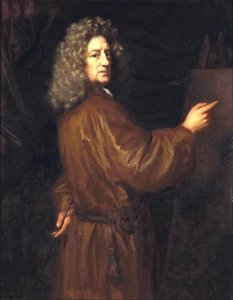
Nicolaes Maes
Descubre a Nicolaes Maes (1634-1693), pintor del Siglo de Oro holandés, famoso por sus escenas de género íntimas y retratos magistrales influenciados por Rembrandt. ¡Explora la vida cotidiana a través de su arte cautivador!
Artículos relacionados

Embodying the Polis: Civic Virtue as Subject & Symbol in Western Art
Explore the fascinating history of civic virtue in Western art! From ancient Greece to the French Revolution, discover how artists depicted ideals of citizenship, duty & republicanism. Expert analysis at OriginalUniqueArt.
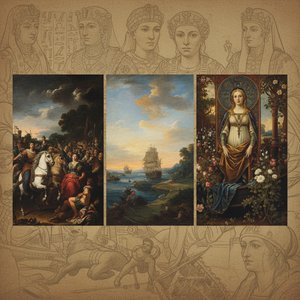
Pintura Histórica Italiana: Un Análisis Exhaustivo de Movimientos, Técnicas y Legados Duraderos
Descubre la riqueza de la pintura barroca italiana: Caravaggio, los Carracci y más. Análisis profundo de técnicas, movimientos e influencia en el arte occidental. ¡Un viaje a través de las obras maestras del Renacimiento!
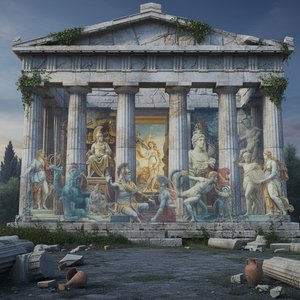
Echoes of Olympus: Mythological Narratives in Western Art Through the Ages
Explore the captivating history of mythological narratives in Western art! From ancient Greece to modern masterpieces, discover iconic artworks & symbolism. Expert analysis and high-quality reproductions at OriginalUniqueArt.
Catálogo de obras de arte




Suscríbete a nuestro boletín informativo
Manténgase al día con las últimas noticias de arte, ofertas exclusivas e ideas de decoración.
Obtén 3 sugerencias de arte gratuitas
Cuéntanos sobre tu proyecto y nuestros expertos en arte te ofrecerán 3 sugerencias de obras personalizadas.
Not Sure Where to Start?
Let Us Curate 3 Options Just for You - Free!