


Un Escenario Renacentista: El Alma Viva de Florencia
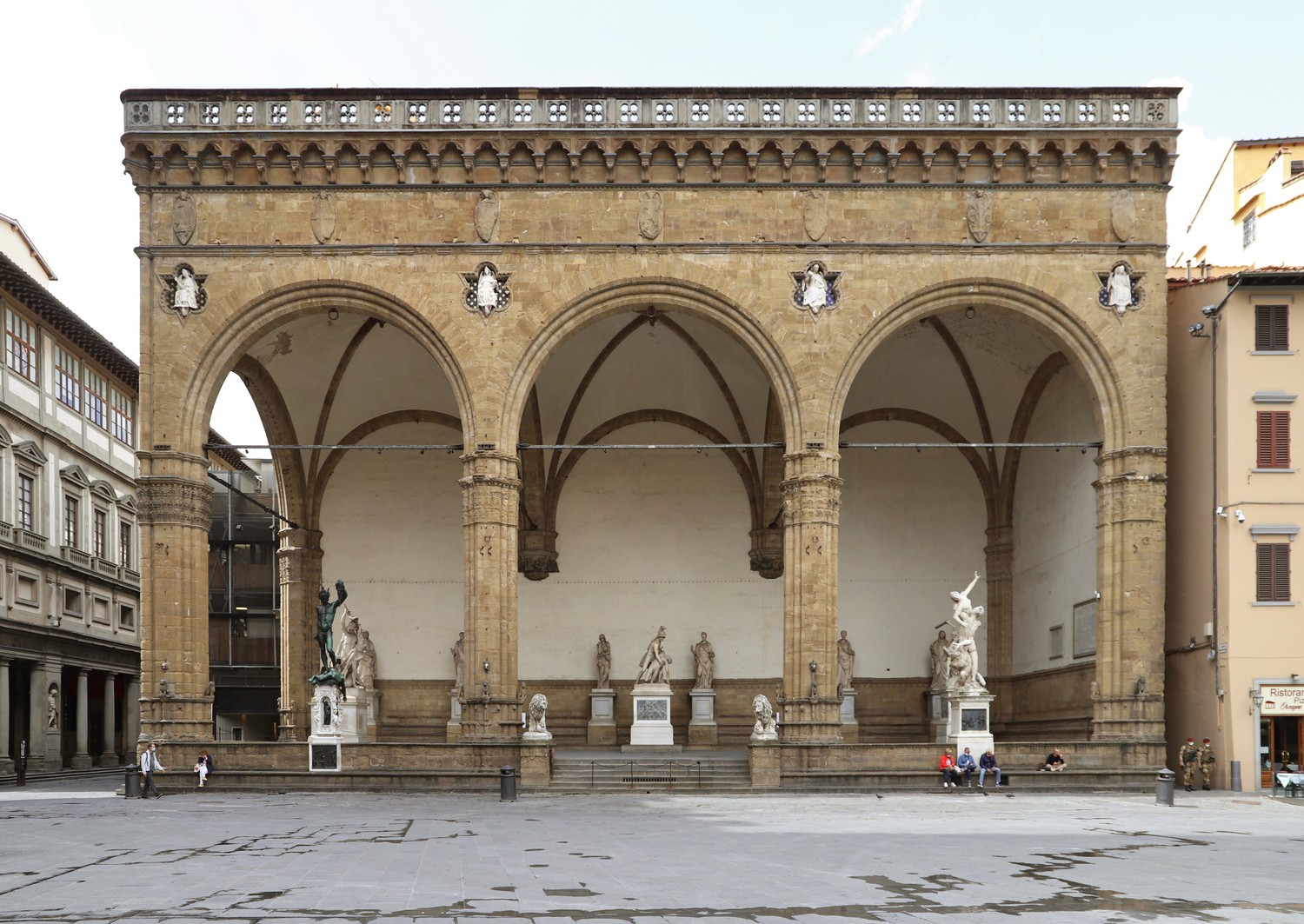
En el corazón palpitante de la Piazza della Signoria en Florencia, donde las sombras del drama político y el triunfo cívico se han entrelazado durante siglos, se erige la Loggia dei Lanzi . Más que una mera reliquia arquitectónica, esta galería al aire libre funciona como un escenario profundo donde las narrativas silenciosas del mármol y el bronce se encuentran con el pulso vibrante de la ciudad. Concebida originalmente a finales del siglo XIV como un foro público para funciones gubernamentales y grandeza ceremonial, sus elegantes arcos y columnas corintias —atribuidas a las manos de Benci di Cione y Simone Talenti— ofrecen una transición impresionante desde la gracia gótica hacia los florecientes ideales del Renacimiento. Caminar bajo sus bóvedas elevadas es adentrarse en un espacio donde las piedras mismas parecen susurrar relatos de antiguas proclamaciones, la impartición de justicia y el espíritu perdurable de una república que encontraba su forma monumental.
El entorno arquitectónico actúa, por sí mismo, como un protagonista silencioso en este drama artístico. El diseño de la Loggia refleja las ambiciones desbordantes de sus mecenas, particularmente la familia Médici, quienes utilizaron el espacio para proyectar una imagen de liderazgo intelectual y supremacía cultural. Flanqueando la entrada, los legendarios Leones de los Médici sirven como centinelas eternos; uno, una reliquia romana antigua que ancla el sitio en la tradición clásica, y el otro, una creación de 1598 por Vacchi que representa el prestigio perdurable de la dinastía. Esta orquestación deliberada de escultura y estructura fue diseñada para impresionar a cada visitante con el poder y la sofisticación de Florencia, transformando un paseo público en un manifiesto visual de autoridad.
Un Diálogo de Obras Maestras al Aire Libre
La colección albergada en esta magnífica logia no se define por su vastedad numérica, sino por el inmenso peso que posee cada obra maestra. Es un diálogo curado entre el genio artístico y la identidad política. Dominando el espacio se encuentra el Perseo con la cabeza de Medusa de Benvenuto Cellini, un triunfo de la virtuosismo manierista completado en 1554. Esta obra de bronce pulido es mucho más que una representación mitológica; sirve como un símbolo potente de la fuerza florentina bajo el mandato de Cosimo I de' Medici, un testimonio escalofriantemente hermoso del poder venciendo al caos monstruoso. Cerca de allí, el Rapto de las Sabinas de Giambologna proporciona un contrapunto dinámico y arremolinado. Esta composición de mármol es una demostración de fuerza de precisión anatómica y tensión dramática, capturando un momento de conflicto violento con una gracia tan fluida que las figuras parecen retorcerse y luchar dentro de la veta misma de la piedra.
Lo que verdaderamente distingue a la Loggia dei Lanzi de los pasillos silenciosos y con clima controlado de los museos tradicionales es su accesibilidad democrática y su relación con los elementos. Aquí, el arte respira el aire toscano, bañado por una luz natural que cambia con el paso de las horas, revelando matices sutiles en la musculatura del mármol y el brillo del bronce. Es una experiencia que invita a la contemplación espontánea en medio del bullicio de la vida urbana. Para el amante del arte, el coleccionista o el diseñador que busca inspiración, la Loggia ofrece una visión inigualable de un mundo donde las obras maestras no están aisladas de la humanidad, sino que permanecen como una parte integral y viva del vibrante tejido de la ciudad: una joya renacentista que continúa cautivando e inspirando a todos los que deambulan bajo sus arcos.




