
Un Bastión del Intelecto Francés: El Alma del Institut de France
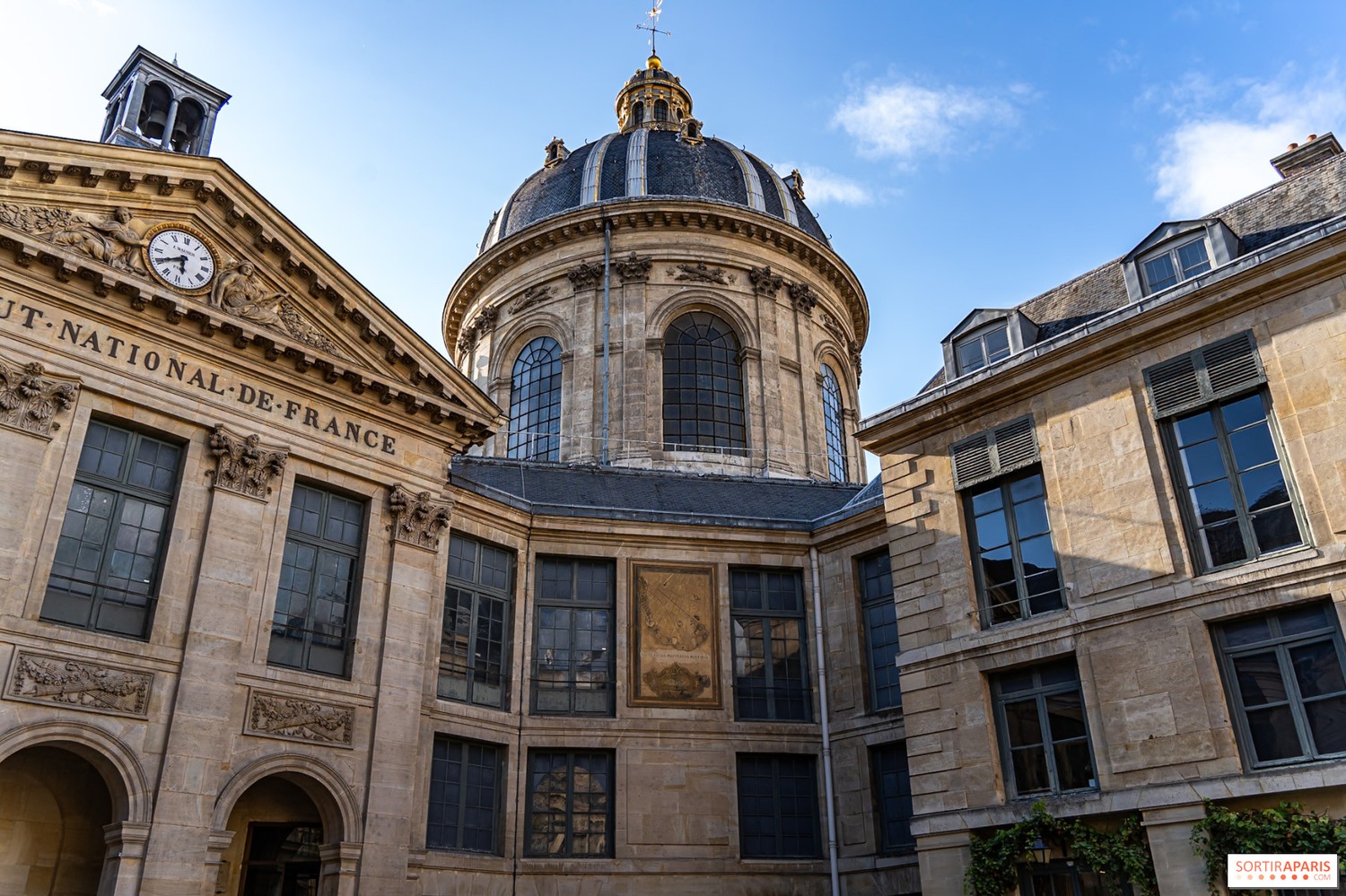
Enclavado a lo largo del histórico Quai de Conti, en el corazón de París, el Institut de France se erige como un poderoso emblema de la identidad cultural francesa, trascendiendo con creces la definición tradicional de un museo. No es meramente un repositorio de objetos estáticos, sino un testimonio vivo y palpitante de siglos de búsqueda intelectual y mecenazgo artístico. La historia de esta maravilla arquitectónica comienza con la ambición visionaria del Cardenal Mazarin, quien en 1661 fundó el Collège des Quatre-Nations para educar a estudiantes de las provincias recién integradas de Francia. Esta obra maestra neoclásica, con su imponente fachada y presencia majestuosa, fue diseñada para ser un faro del saber y, hoy en día, permanece como un santuario donde el peso de la historia se encuentra con la chispa de la innovación moderna.
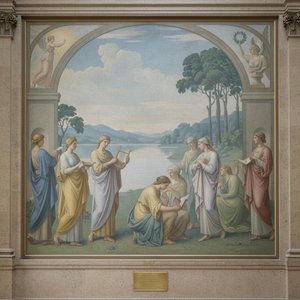
Cruzar sus puertas es adentrarse en un reino donde la piedra susurra relatos de la Ilustración. La arquitectura interior sirve, por sí misma, como un lienzo para la grandeza artística; sus elegantes salones están adornados con frescos impresionantes de maestros como Antoine Watteau y Jean Girardin , reflejando el compromiso perdurable de Francia con los ideales clásicos. Para el amante del arte o el diseñante de interiores en busca de inspiración, el edificio ofrece una lección profunda sobre cómo la grandeza y la gracia pueden coexistir. La magnífica Coupole sirve como un escenario asombroso para eventos culturales, creando una atmósfera de solemnidad y esplendor que invita a una profunda contemplación sobre los cimientos mismos del pensamiento francés.
Una Sinfonía de Cinco Académies
Lo que distingue verdaderamente al Institut de France de cualquier otra institución en el mundo es su estructura única y multidisciplinaria. Funciona como una prestigiosa organización paraguas que engloba cinco académies distintas, cada una actuando como un centro de excelencia en su respectivo dominio. Esta convergencia de disciplinas crea un entorno excepcional para el intercambio de ideas. La Académie Française se alza como la más renombrada, salvaguardando con diligencia la pureza de la lengua francesa y defendiendo los logros literarios. En contraste, la Académie des inscriptions et belles-lettres ofrece un tesoro para aquellos fascinados por las raíces de la civilización, centrándose en las humanidades, la arqueología y las lenguas antiguas.
La búsqueda del avance científico es defendida por la Académie des sciences , mientras que la Académie des Beaux-Arts supervisa la preservación y creación de la pintura, la escultura, la música y la arquitectura. Completando este círculo intelectual, la Académie des sciences morales et politiques explora las corrientes éticas y filosóficas que moldean el discurso social. Esta estructura garantiza que el Institut nunca sea una reliquía del pasado, sino una fuerza dinámica donde la ciencia, el arte y la literatura entablan un diálogo continuo y vital.
Tesoros Ocultos y Legados Perennes
Más allá de su grandiosa presencia pública, el Institut de France alberga joyas ocultas que recompensan a los visitantes más curiosos. La Bibliothèque Mazarine , una de las bibliotecas públicas más antiguas de Francia, ofrece una mirada íntima a siglos de erudición. Dentro de sus muros, uno puede encontrar libros raros y manuscritos iluminados que alguna vez adornaron cortes reales, donde la delicada caligrafía de antiguos filósofos aguarda ser descubierta. Esta conexión con el pasado tangible es lo que convierte al Institut en un lugar de peregrinación tanto para coleccionistas como para historiadores.
La influencia del Institut se extiende mucho más allá del Quai de Conti, ya que gestiona activamente aproximadamente 1,000 fundaciones, museos y châteaux por todo el paisaje francés. A través de sus prestigiosos premios y su dedicación a la conservación, desempeña un papel crucial en la salvaguarda de obras de arte invaluables para las generaciones futuras. Para quienes aprecian la intersección entre el patrimonio y el prestigio, el Institut de France representa el punto de encuentro definitivo entre la historia, el arte y el poder perdurable del ingenio humano.