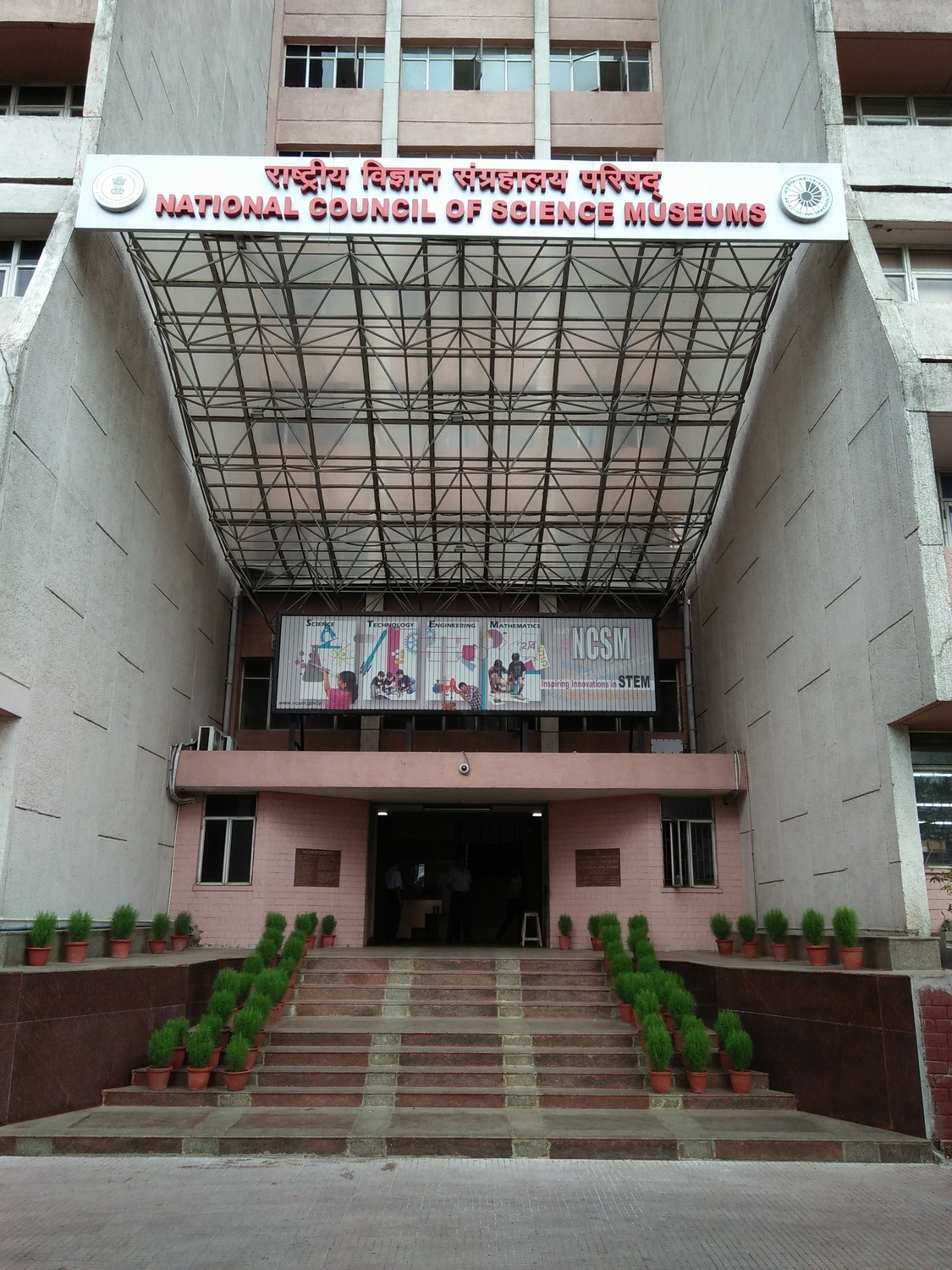
Birla Industrial & Technological Museum - Kolkata
The Birla Industrial & Technological Museum (BITM), Kolkata stands as a testament to India’s scientific heritage and industrial evolution, inaugurated on May 2nd, 1959. Located in Babur Bagh Park, this museum was conceived as a pioneering effort to disseminate science knowledge beyond the confines of academic institutions—a bold vision that anticipated the burgeoning role of museums in fostering public understanding of technological advancements.
-
Architectural Significance:
BITM’s building embodies colonial architectural influences, reflecting the grandeur of British rule and showcasing meticulous craftsmanship. Its façade is adorned with intricate carvings and decorative elements, contributing to a serene aesthetic experience for visitors.
-
Historical Context:
Established during Jawaharlal Nehru's premiership, BITM emerged from the broader initiative to bolster India’s scientific prowess following independence. It represents a pivotal moment in transforming India into a modern nation equipped with technological capabilities.
-
Collection Highlights:
The museum houses an impressive array of exhibits spanning diverse domains—from metallurgy and textile machinery to transportation and energy production. Notably, BITM boasts the “Metallurgy Gallery,” which showcases historical smelting techniques and displays artifacts illustrating India’s metallurgical traditions.
-
Interactive Experiences:
Recognizing the importance of engaging visitors beyond passive observation, BITM incorporates interactive exhibits that allow guests to manipulate models, conduct experiments, and grasp fundamental scientific concepts. These hands-on activities cater to audiences of all ages, fostering curiosity and promoting STEM education.
-
UNESCO Recognition:
BITM was designated as a UNESCO World Heritage Site in 2019, acknowledging its exceptional universal value—a distinction that underscores the museum’s contribution to preserving India's cultural heritage and disseminating scientific knowledge globally.
## Science City - Kolkata
Science City, inaugurated on July 1st, 1997, represents a monumental undertaking to transform Kolkata into a hub of science communication and technological innovation—a project driven by the aspiration to elevate India’s standing as a leader in STEM fields. Situated within a sprawling urban park, Science City embodies a holistic approach to fostering scientific literacy and inspiring creativity among citizens of all backgrounds.
-
Urban Oasis:
Nestled amidst Kolkata's bustling cityscape, Science City offers visitors respite from the urban environment—a verdant expanse punctuated by architectural marvels and engaging exhibits that captivate audiences young and old.
-
Technological Showcase:
The Science City complex houses a multitude of cutting-edge technologies—including IMAX theaters, planetariums, and interactive science centers—demonstrating India’s advancements in fields such as aerospace engineering and environmental sustainability.
-
Educational Outreach:
Recognizing the imperative to cultivate scientific curiosity among future generations, Science City conducts extensive educational programs aimed at promoting STEM proficiency—activities that extend beyond the museum walls into schools and communities across West Bengal.
-
Architectural Innovation:
The Science City complex is distinguished by its distinctive architectural design—characterized by curvilinear forms and expansive glass facades that maximize natural light—a stylistic choice reflecting the museum’s commitment to innovation and aesthetic excellence.
-
Global Recognition:
Science City has garnered acclaim from international organizations—most notably UNESCO—for its contribution to advancing science education and fostering cultural understanding—a distinction cementing Kolkata's position as a beacon of scientific progress and artistic inspiration.
## Nehru Science Centre - Mumbai
Established in 1985, the Nehru Science Centre, Mumbai stands as India’s foremost interactive science museum—a landmark institution dedicated to disseminating scientific knowledge and igniting curiosity among visitors from across the nation. Located in Worli West, Mumbai, this museum embodies a pioneering spirit—one that anticipates the transformative role of museums in shaping public understanding of technological advancements and fostering STEM proficiency.
-
Coastal Location:
Situated along Mumbai’s coastline, Nehru Science Centre benefits from proximity to the Arabian Sea—a scenic backdrop that enhances the visitor experience and underscores the museum's connection to India’s maritime heritage.
-
Interactive Exhibits:
Unlike traditional museums that prioritize static displays, Nehru Science Centre prioritizes engaging visitors through interactive exhibits—activities that empower guests to manipulate models, conduct experiments, and grasp fundamental scientific concepts—catering to audiences of all ages and fostering STEM education.
-
Educational Programs:
Recognizing the importance of cultivating scientific curiosity among future generations, Nehru Science Centre conducts extensive educational programs aimed at promoting STEM proficiency—activities that extend beyond the museum walls into schools and communities across Maharashtra.
-
Architectural Design:
The Science Centre’s building incorporates innovative architectural features—including a soaring atrium and expansive glass facades—designed to maximize natural light and create an airy aesthetic experience for visitors—a stylistic choice reflecting the museum’s commitment to innovation and architectural excellence.
-
National Significance:
Nehru Science Centre has garnered acclaim from national organizations—most notably UNESCO—for its contribution to advancing science education and fostering cultural understanding—a distinction cementing Mumbai's position as a hub of scientific progress and artistic inspiration.
## Visvesvaraya Industrial & Technological Museum - Bengaluru
Established in 1965, the Visvesvaraya Industrial & Technological Museum (VITM), Bengaluru represents India’s second science museum—a landmark institution dedicated to disseminating scientific knowledge and inspiring creativity among visitors from across Karnataka. Located in Bangalore University campus, VITM embodies a pioneering spirit—one that anticipates the transformative role of museums in shaping public understanding of technological advancements and fostering STEM proficiency.
-
University Campus:
Situated within Bangalore University’s sprawling campus, VITM benefits from proximity to academic institutions—a setting that reinforces the museum's commitment to scientific education and fostering intellectual curiosity among students and researchers.
-
Industrial Heritage:
VITM celebrates Bengaluru’s industrial heritage—showcasing exhibits on textile machinery, foundry operations, and automotive engineering—demonstrating India’s technological prowess and preserving its manufacturing traditions.
-
Hands-on Activities:
Recognizing the importance of engaging visitors beyond passive observation, VITM incorporates interactive exhibits that allow guests to manipulate models, conduct experiments, and grasp fundamental scientific concepts—catering to audiences of all ages and fostering STEM education.
-
Museum Design:
VITM’s building features a distinctive architectural design—characterized by spacious halls and panoramic windows—designed to maximize natural light and create an inviting aesthetic experience for visitors—a stylistic choice reflecting the museum’s commitment to innovation and architectural excellence.
-
Scientific Recognition:
VITM has garnered acclaim from national organizations—most notably UNESCO—for its contribution to advancing science education and fostering cultural understanding—a distinction cementing Bengaluru's position as a hub of scientific progress and artistic inspiration.