

Información clave
- Alternate names:
- Colección Berenson
- La Colección Berenson en I Tatti, Florencia
- La Colección Berenson en I Tatti
- I Tatti
- Featured artists: Domenico Veneziano
- Location: Florencia, Italia
- Works on APS: 1
Test de arte
Cada pregunta tiene una única respuesta correcta.
Pregunta 1:
¿Cuál es el ámbito principal de conocimiento que ofrece la Colección Berenson?
Pregunta 2:
¿Quién transformó I Tatti en una villa que evocaba la grandeza de una finca italiana?
Pregunta 3:
¿La 'Berenson Madonna' ocupa un lugar destacado entre los visitantes debido a su:
Pregunta 4:
¿Qué papel desempeña I Tatti además de ser un museo?
Pregunta 5:
¿Cuándo adquirió Bernard Berenson I Tatti?
Artistas en la colección

Domenico Veneziano
Domenico Veneziano (1410-1461): Pintor florentino temprano conocido por su uso innovador de la luz y colores brillantes en obras maestras como el Retablo de San Domenico y El Retablo de San Lucía. Influenciado por artistas como Fra Angelico y Piero della Francesca.

Artículos relacionados
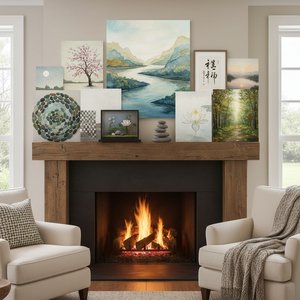
Las 10 Obras de Arte que Inspiran Serenidad |
Descubre 10 obras maestras de Monet, Van Gogh y más que inspiran serenidad. Explora la historia del arte impresionista y postimpresionista, colores relajantes y técnicas artísticas en . Encuentra reproducciones de alta calidad para tu hogar.
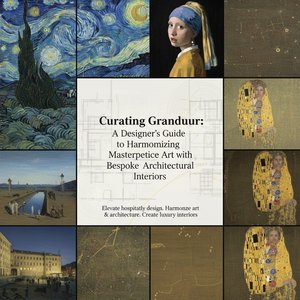
Armonizando Historia y Tono: Una Guía para Combinar Estilos Artísticos con la Arquitectura Interior para una Decoración Equilibrada
Guía experta para combinar estilos artísticos con tu arquitectura interior. Crea espacios equilibrados y elegantes con nuestros consejos y reproducciones de alta calidad. ¡Transforma tu hogar!

El Renacimiento de la Antigüedad: Explorando los Ideales e Innovaciones del Arte Neoclásico
Descubre el Neoclasicismo y su fascinación por la antigüedad clásica. Explora la vida de Winckelmann, sus ideales estéticos y el impacto duradero de este movimiento en el arte europeo. Análisis experto y profundo.


Suscríbete a nuestro boletín informativo
Manténgase al día con las últimas noticias de arte, ofertas exclusivas e ideas de decoración.
Obtén 3 sugerencias de arte gratuitas
Cuéntanos sobre tu proyecto y nuestros expertos en arte te ofrecerán 3 sugerencias de obras personalizadas.
Not Sure Where to Start?
Let Us Curate 3 Options Just for You - Free!