




Chequers Court: Unveiling a Prime Minister’s Legacy
Nestled amidst the rolling hills of Buckinghamshire, Chequers Court stands as more than just a stately home; it’s a living chronicle of British history, a sanctuary for leadership, and a testament to generations of Prime Ministers. More than simply a building, Chequers embodies the spirit of England’s political evolution, offering visitors an intimate glimpse into the lives and decisions that have shaped the nation. Originally constructed in 1565 by William Hawtrey, a Sheriff of Buckinghamshire, this Elizabethan manor house has since witnessed pivotal moments – from wartime speeches echoing across its vast grounds to diplomatic gatherings shaping international relations.
Its very stones seem to whisper tales of monarchs, revolutionaries, and the quiet contemplation that often accompanies the weighty responsibilities of governing. The architectural heart of Chequers is a masterful blend of Elizabethan elegance and Victorian restoration. The original structure, with its Tudor panelling and distinctive windows, was meticulously revived in the 19th century by Lieutenant Bertram Astley, guided by the renowned architect Reginald Theodore Blomfield. This painstaking reconstruction not only preserved the house’s historical integrity but also added layers of sophistication, culminating in a harmonious fusion of eras. The grand hall, with its soaring ceilings and intricate detailing, immediately transports one back to a time when diplomacy unfolded within these very walls.
A particularly striking feature is the stained-glass window in the long gallery – a poignant reminder of England’s deliverance from war, a gift symbolizing gratitude for victory. This magnificent piece of art captures the solemn beauty of remembrance and serves as a focal point for contemplation within the estate.
Key Architectural Elements
- Tudor Panelling: Demonstrates the enduring influence of Elizabethan craftsmanship and design principles.
- Elizabethan Windows: Reflects the architectural style prevalent during Queen Elizabeth I’s reign, characterized by large windows and ornate frames.
- Victorian Restoration: Represents a deliberate effort to revive the original Tudor structure with refined Victorian embellishments.
- Grand Hall: Epitomizes aristocratic grandeur and showcases impressive decorative elements typical of the Victorian era.
- Impressive Staircase: Symbolizes social hierarchy and provides access to upper floors adorned with elaborate carvings and plasterwork.
Notable Features
The stained-glass window commemorating the First World War stands as a testament to Britain’s resilience during its darkest hour, embodying the spirit of patriotism and remembrance. Its vibrant hues and intricate imagery convey a powerful message of hope amidst adversity.
Furthermore, Chequers Court houses an extraordinary collection of artifacts related to Oliver Cromwell, reflecting a significant chapter in England’s past. These items—including letters, weapons, and personal items—offer tangible connections to the tumultuous period of the English Civil War and illuminate the complexities of this transformative era.
A Royal Residence Steeped in History
Chequers’ significance transcends its architectural beauty; it’s inextricably linked to the history of British Prime Ministers. Since 1921, this estate has served as the official country residence for the serving leader of the United Kingdom, providing a vital retreat from the pressures of Whitehall and a space for reflection and strategic planning.
The tradition began with Arthur Lee, who gifted the property to the nation, recognizing its importance as a symbol of national gratitude. Throughout the 20th century, Chequers has hosted countless state visits, significant political discussions, and moments that have resonated throughout British history – from Winston Churchill’s wartime speeches delivered amidst the rolling hills to Margaret Thatcher’s resolute pronouncements shaping policy.
The house is not merely a residence; it’s a repository of memories. The walls hold echoes of laughter, debate, and solemn decision-making. It has witnessed triumphs and tragedies, offering a tangible connection to the individuals who have shaped the course of British history. The very air seems imbued with the weight of responsibility and the quiet dignity of leadership.
Treasures Within: A Glimpse into the Collection
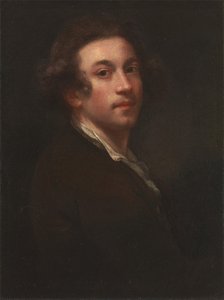
The interior of Chequers Court reveals a remarkable collection of art and memorabilia, meticulously curated over centuries. The heart of this collection lies in its portraits and landscapes, encompassing works spanning from the early sixteenth century to more contemporary pieces.
Notable amongst these are portraits of past Prime Ministers, offering intimate glimpses into their personalities and leadership styles. The collection also includes evocative landscapes that capture the beauty of the surrounding Buckinghamshire countryside – a constant reminder of the tranquility sought within these historic walls.
Beyond the Walls: Exploring Aylesbury and its Surroundings
To fully appreciate Chequers Court, one must also explore the surrounding area – Aylesbury and the wider Buckinghamshire countryside. Aylesbury itself, a historic market town with roots stretching back to Anglo-Saxon times, provides a fascinating backdrop to the estate’s story.
The town’s rich history is reflected in its architecture, its vibrant community, and its strategic location within the county. The surrounding Chiltern Hills offer breathtaking scenery – rolling hills, ancient woodlands, and charming villages that have inspired artists and writers for centuries.


