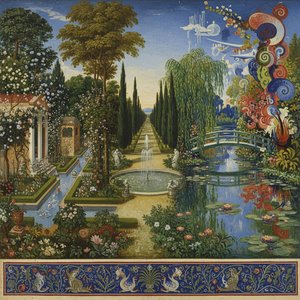

Una obra maestra del Renacimiento: Château de Villandry – Donde los jardines cuentan historias
Enclavado en el corazón del Valle del Loira, Francia, el Château de Villandry se erige como un testimonio del matrimonio armonioso entre la arquitectura y el diseño paisajístico; un lugar donde los muros de piedra susurran relatos de linajes nobles y jardines meticulosamente elaborados florecen con una belleza casi teatral. Más que un simple castillo, es una obra de arte viva, un vasto tableau vivant que invita a los visitantes a perderse en siglos de visión artística. Originalmente una fortaleza medieval, transformada a lo largo de las generaciones en una fastuosa residencia renacentencia, el legado perdurable de Villandry reside principalmente en sus extraordinarios jardines: una serie de espacios interconectados diseñados no solo para el placer estético, sino como intrincadas alegorías y demostraciones de destreza hortícola.
La historia comienza en el siglo XVI con Jean Le Breton, Controlador General de Guerra de Francia, quien reconoció el potencial del sitio. Encargó la construcción de un nuevo château alrededor de la torre del homenaje existente del siglo XIV, una decisión estratégica que preservó un vínculo tangible con el pasado mientras abrazaba los florecientes ideales renacentistas de simetría y grandeza. Sin embargo, fue Joachim Carvallo, un médico español y apasionado horticultor, quien verdaderamente moldeó Villandry hasta convertirlo en el destino icónico que es hoy. En 1906, adquirió la propiedad junto a su esposa Ann Coleman, una heredera cuya fortuna impulsó un proyecto ambicioso: transformar los jardines existentes en una serie de "parterres" interconectados, cada uno representando un tema distinto y encarnando un concepto filosófico o histórico específico. Estos no son simplemente hermosos macizos de flores; son diálogos cuidadosamente orquestados entre el arte, la naturaleza y el intelecto humano.
Los Jardines – Una sinfonía en piedra y flor
Los jardines de Villandry se dividen en varias áreas clave, cada una con su propio carácter y diseño únicos. El Jardín de Agua, quizás el más impactante a primera vista, es una extensión en forma de estrella compuesta por canales, fuentes y estanques reflectantes. Aquí, el agua misma se convierte en un medio artístico, creando patrones brillantes y haciendo eco de las formas arquitectónicas superiores. Junto a él se encuentra el Jardía Ornamental, un estallido de color y textura que exhibe macizos de flores meticulosamente dispuestos en diseños geométricos, testimonio de la fascinación renacentista por el orden y la proporción. El Jardín de Verduras, sorprendentemente, es igualmente cautivador, con bancales elevados plantados con hierbas, vegetales y flores, dispuestos según las tradiciones medievales que enfatizaban tanto la belleza como la utilidad.
Más allá de estas áreas centrales, los visitantes pueden explorar el Jardín del Sol ( Jardin au Soleil ), un espacio más íntimo diseñado para la contemplación y el relax. El “Parterre des Nobles” (Terrenos de la Nobleza) es otro punto destacado, con intrincados patrones que representan escudos de armas y símbolos heráldicos, una representación visual del linaje y el estatus social. Todo el complejo de jardines está dispuesto en terrazas, creando una sensación dramática de profundidad y perspectiva que atrae la mirada hacia el propio castillo. El uso de setos bajos de boj —una característica definitoria del estilo de Villandry— crea líneas nítidas y ángulos marcados, contrastando maravillosamente con las suaves curvas de los macizos de flores.
Un Château impregnado de historia
Más allá de sus jardines, el Château de Villandry ofrece un vistazo a siglos de historia francesa. Originalmente una fortaleza medieval, ha sido testigo de numerosos eventos significativos, incluyendo un encuentro crucial entre el rey Felipe II de Francia y Ricardo I de Inglaterra en 1189, un evento conmemorado con una placa dentro de los muros del castillo. La propiedad permaneció en la familia Le Breton durante más de dos siglos antes de ser adquirida por el Marqués de Castellane en el siglo XVIII. Durante la Revolución Francesa, fue confiscada y ocupada brevemente por el hermano de Napoleón Bonaparte, Jérôme. Hoy en día, la familia Carvallo continúa manteniendo y cuidando esta extraordinaria propiedad, asegurando que su legado perdure.
Visitar Villandry – Una experiencia para todos los sentidos
El Château de Villandry da la bienvenida a los visitantes durante todo el año (con variaciones estacionales), ofreciendo una gran variedad de actividades y eventos. Las visitas guiadas proporcionan conocimientos invaluables sobre la historia y el diseño del castillo y sus jardines, mientras que las exposiciones especiales presentan instalaciones de arte contemporáneo dentro de este entorno histórico. El restaurante del recinto ofrece deliciosa cocina regional, permitiendo a los visitantes sumergirse por completo en la experiencia. Para aquellos que buscan una comprensión más profunda de la filosofía del jardín, se ofrecen con frecuencia talleres centrados en aspectos como la horticultura, el diseño y el contexto histórico. Una visita a Villandry no es simplemente turismo; es una invitación a interactuar con el arte, la historia y la naturaleza de una manera profundamente enriquecedora.
Exposiciones notables y preservación continua
Si bien los jardines son la atracción principal, el Château alberga regularmente exposiciones temporales que complementan su colección permanente. Estas suelen presentar obras de artistas contemporáneos que responden a los temas históricos y hortícolas de Villandry. Además, los esfuerzos continuos de preservación garantizan que esta notable propiedad siga siendo un testimonio vibrante del patrimonio francés para las generaciones venideras. El meticuloso trabajo de restauración, combinado con la dedicación de la familia Carvallo, garantiza que la belleza y el arte del Château de Villandry continúen inspirando y deleitando a visitantes de todo el mundo.