


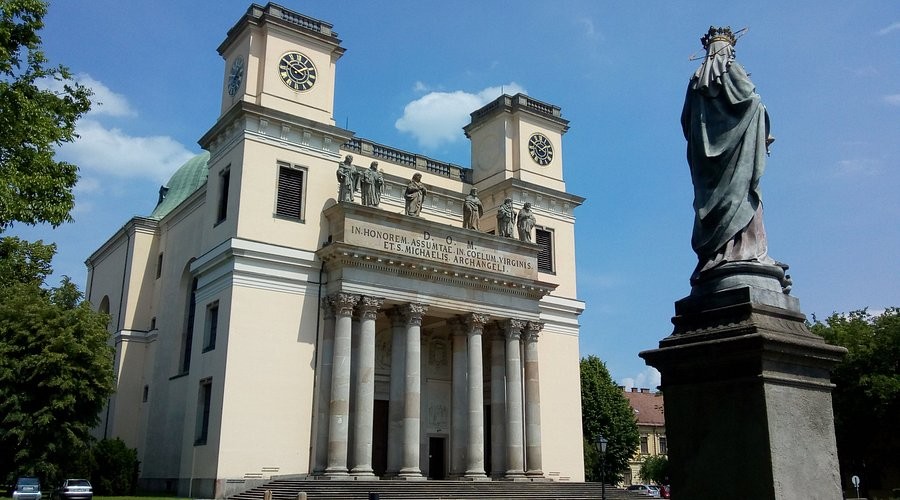
Unveiling Vác Cathedral: A Baroque Masterpiece in Central Hungary
Nestled within the historic city of Vác, a charming town just outside Budapest, lies a treasure of Hungarian art and architecture – Vác Cathedral. More than simply a place of worship, this magnificent structure stands as a testament to the exuberance and sophistication of the Baroque period, offering visitors an immersive journey into 18th-century artistry and faith. Constructed between 1761 and 1777, replacing a medieval predecessor, Vác Cathedral quickly became the spiritual and cultural heart of the region, attracting admirers for its harmonious blend of architectural grandeur and artistic brilliance.
The cathedral’s story begins with Bishop Károly Esterházy, who envisioned a building that would not only serve as a place of prayer but also as a symbol of civic pride. He entrusted the design to Isidore Ganneval, a talented architect trained by the renowned Niccolò Servandoni, known for his work in Paris. Ganneval skillfully combined elements of Neo-Classicism – characterized by its clean lines and classical proportions – with the dramatic flair of Baroque decoration. This innovative approach resulted in a building that is both stately and visually arresting, immediately recognizable by its imposing façade and soaring dome.
The Heart of the Cathedral: Maulbertsch’s Frescoes
Without question, Vác Cathedral's most celebrated feature is the breathtaking collection of frescoes created by Franz Anton Maulbertsch, a prominent Baroque painter from Austria. Maulbertsch, renowned for his dramatic use of color and light, transformed the cathedral’s interior into a vibrant tableau vivant, depicting scenes from the Bible and showcasing religious symbolism with unparalleled skill. The centerpiece of this artistic ensemble is undoubtedly “The Visitation,” a meticulously rendered fresco illustrating Mary's visit to Elizabeth – a work that exemplifies Maulbertsch’s mastery of composition, color theory, and emotional expression. Beyond this iconic piece, numerous other biblical narratives unfold across the walls, each imbued with a palpable sense of drama and spiritual depth. The skillful use of *chiaroscuro*, the interplay of light and shadow, creates an immersive experience that draws viewers into the heart of these sacred stories.
Architectural Details & Interior Splendor
However, Vác Cathedral’s beauty extends far beyond its painted surfaces. The interior is a symphony of intricate details, reflecting the Baroque aesthetic in every corner. The soaring dome, a marvel of engineering, is capped with a magnificent fresco depicting “The Triumph of the Holy Trinity,” offering panoramic views of the cathedral's vast interior space. Corinthian columns support the structure, while delicate balustrades line the sanctuary, each element contributing to the overall sense of harmony and magnificence. The meticulous craftsmanship is evident in every detail – from the ornate altars crafted from precious materials to the carefully sculpted figures adorning the walls.
A Legacy of Faith & Art
What truly distinguishes Vác Cathedral is its seamless integration of architectural grandeur and artistic brilliance. It’s not merely a building; it's an immersive experience that transports visitors back to 18th-century Hungary. The harmonious blend of the imposing structure with Maulbertsch’s dynamic frescoes creates a space that feels both sacred and profoundly beautiful. Furthermore, Vác Cathedral retains its significance as a central religious site within the Vác Diocese, continuing to serve as a vital hub for the local community's spiritual life. A visit here is an opportunity to witness not only a remarkable architectural achievement but also a powerful expression of faith and artistic creativity.
Visiting Vác Cathedral
Vác Cathedral welcomes visitors seeking to explore its rich history, admire its stunning artwork, and immerse themselves in the beauty of Baroque architecture. Located in Vác, Hungary, it’s easily accessible and offers a rewarding experience for art enthusiasts, history buffs, and anyone captivated by the splendor of the past. Don't miss the chance to witness this remarkable masterpiece firsthand – a true gem of Hungarian Baroque art.




