

Un Portal a la Edad de Oro de Amberes
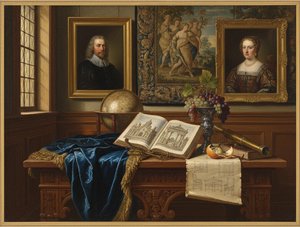
Cruzar el umbral de la Casa Snijders&Rockox en Amberes es similar a atravesar el tiempo mismo, adentrándose en un mundo donde la energía vibrante de los maestros flamencos del siglo XVII aún resuena entre sus muros. Esto no es simplemente un museo; es una experiencia inmersiva, un cuadro meticulosamente preservado que ofrece una visión íntima de las vidas y pasiones de Nicolaas Rockox, un prominente alcalde y perspicaz mecenas del arte, y Frans Snyders, un célebre pintor reconocido por sus lujosos bodegones y dinámicas escenas de animales. La casa se erige como un testimonio de la Edad de Oro de Amberes, un período de florecimiento artístico y prosperidad comercial sin parangón, bellamente encapsulado en dos casas urbanas adyacentes en la elegante Keizerstraat. Construida originalmente en 1603 para Rockox, la residencia experimentó transformaciones significativas, evolucionando hacia un sofisticado palacio urbano que fusionaba a la perfección la grandeza del Renacimiento con las emergentes sensibilidades del Barroco, reflejando así las cambiantes mareas estéticas de la época.
Los detalles arquitectónicos por sí mismos susurran historias de riqueza y refinamiento, desde las fachadas meticulosamente elaboradas hasta el tranquilo jardín interior, que alguna vez rebosó de hierbas fragantes, evocando una atmósfera que recuerda a un palazzo italiano. Para el diseñador de interiores o el amante de la estética de época, la casa ofrece una clase magistral de atmósfera histórica, donde la arquitectura no solo alberga el arte, sino que participa activamente en su narrativa. La estructura misma sirve como un puente entre el orgullo cívico de una floreciente clase mercantil y el humanismo elevado que definió la vida intelectual de los Países Bajos Meridionales.
La Colección KBC: Una Sinfonía de Maestría Flamenca
Hoy en día, la pieza central del museo es una extraordinaria colección reunida por el Banco KBC, presentada no como artefactos aislados, sino tal como habrían sido experimentados en el siglo XVII: integrados en el opulento entorno doméstico para el cual fueron destinados originalmente. Este extraordinario conjunto abarca pinturas, esculturas, grabados y textiles, siendo cada pieza un testimonio de la excepcional habilidad y maestría de los maestros flamencos. La colección está dominada por los impresionantes bodegones de Frans Snyders, cuyas dinámicas representaciones de caza, frutas y lujosos banquetes capturan la abundancia y vitalidad características de las residencias aristocráticas de Amberes. Presenciar estas obras in situ es comprender cómo la luz y la textura se utilizaban para celebrar los deleites sensoriales de una era próspera.
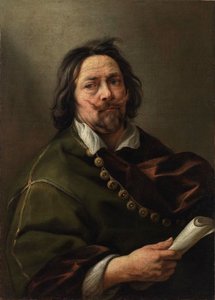
Más allá de los grandes bodegones, la colección revela una diversa gama de voces artísticas que definieron la Escuela de Amberes. Las obras de Jan Fyt, Cornelis Massijs y Jacob Jordaens revelan la amplitud y profundidad del talento que florecía en la ciudad, mostrando un espectro de estilos que van desde el dramático movimiento barroco hasta intrincadas escenas de género. Los curadores enfatizan no solo la belleza estética de estos objetos, sino también su contexto histórico, permitiendo a los visitantes apreciar los valores culturales y las costumbres sociales que dieron forma a su creación. Casi se puede sentir el detalle meticuloso con el que Snyders retrata las texturas —el brillo de una uva, la suavidad del pelaje—, un esfuerzo deliberado por recrear la experiencia sensorial de un rico hogar amberino.
El Legado de Rubens y el Espíritu del Mecenazgo
Quizás ninguna figura se proyecte con mayor grandeza sobre la historia de esta casa que Peter Paul Rubens. Como amigo personal cercano e importante mecenas de Nicolaas Rockox, la influencia de Rubens está entretejida en la propia esencia de la narrativa del museo. Su amistad floreció en una fructífera asociación artística, dando lugar a obras maestras encargadas que continúan cautivando al público actual. La pintura monumental Sansón y Dalila ejemplifica el dominio de Rubens sobre el drama y el color barrocos, siendo una piedra angular de la colección del museo y un símbolo del prestigio artístico de Amberes. Esta conexión resalta la casa no solo como una residencia, sino como un centro vibrante donde los humanistas y artistas de Amberes se congregaban para intercambiar ideas que remodelarían el arte europeo.
Lo que realmente distingue a la Casa Snijders&Rockox de las instituciones más grandes y extensas de Amberes es su escala íntima y su atmósfera personalizada. A diferencia de los grandes museos centrados en narrativas históricas abrumadoras, esta casa invita a los visitantes a conectar con el arte en un nivel más profundo y emocional. Sigue siendo una joya oculta para coleccionación atraída por la elegancia de los interiores de época y para cualquiera que busque una conexión profunda con las obras maestras flamencas. En este santuario preservado, el aire permanece impregnado del espíritu de colaboración e intercambio creativo, ofreciendo un vistazo excepcional a las conexiones personales que impulsaron la revolución artística de Amberes.