

Un Santuario de Luz y Legado
En el corazón sereno de Sudbury, donde el paisaje inglés conserva su gracia pastoral y atemporal, se erige Gainsborough's House, un profundo testimonio del poder perdurable del patrimonio artístico británico. Este no es simplemente un museo; es una crónica viva, un santuario histórico que ofrece una mirada excepcional al génesis mismo de una era definida por retratos magistrales y paisajes evocadores. Cruzar su umbral es embarcarse en un viaje a través del tiempo, dejando atrás robustas puertas de roble que susurran orígenes medievales para avanzar hacia la refinada elegancia de la grandeza georgiana. La casa misma, con raíces arquitectónicas que se remontan aproximadamente a 1520, ha experimentado una evolución magnífica, reflejando la prosperidad cambiante y los gustos transformados de los siglos. Al deambular por estancias de época meticulosamente restauradas, la atmósfera de un hogar aristocrático del siglo XVIII comienza a cobrar vida, proporcionando un contexto social invaluable que ilumina los años formativos de su habitante más céleable, Thomas Gainsborough.
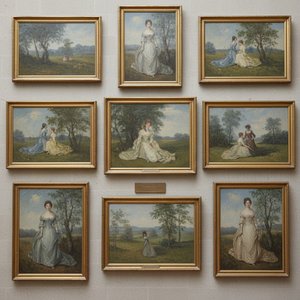
El alma de este museo reside en su conexión íntima, casi espiritual, con la propia historia de vida del artista. Fue entre estos mismos muros donde un joven Gainsborough encontró por primera vez los sutiles matices del paisaje de Suffolk —los delicados cambios de luz sobre una pradera y el carácter curtido grabado en los rostros de los habitantes locales— que más tarde se convertirían en los elementos fundacionales de su visión inigualable. La colección ilustra bellamente este arco de desarrollo, exhibiendo retratos icónicos que capturan la compostura y el estatus social de sus modelos, junto a paisajes impresionantes que revelan una profunda conexión con la campiña inglesa. Para el coleccionista exigente o el amante del arte, contemplar estas obras en el mismo entorno que las nutrió ofrece una resonancia emocional y un sentido de continuidad histórica que ninguna gran galería metropolitana puede replicar.
Maestría Técnica y Maravillas Curadas
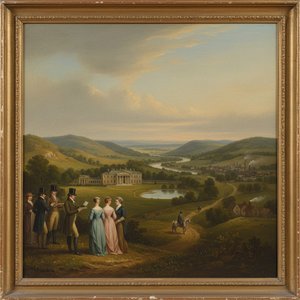
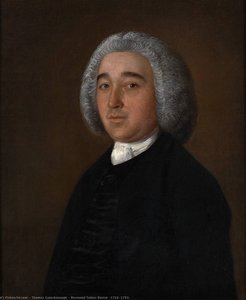
Entre los aspectos más cautivadores de la colección se encuentra la oportunidad de presenciar de cerca la maestría técnica de Gainsborough. Es imposible no conmoverse ante obras como “Paisaje de un río boscoso con figuras en un puente,” un ejemplo quintesencial de su estilo distintivo. En tales piezas, el espectador puede observar su pincelada suelta y rítmica, así como la delicada superposición de veladuras translúcidas que crean una sensación de luminosidad atmosférica. Esta técnica permite que la luz y la sombra dancen sobre la superficie, transmitiendo una profundidad emocional que trasciende la mera representación. El museo también invita a un rico diálogo entre generaciones, presentando exposiciones que exploran las obras de contemporáts como Constable y artistas cuyas trayectorias fueron alteradas para siempre por la influencia perdurable de Gainsborough. Una joya notable en la colección es su magistral representación de Mr Prowse (1708–1767) , un retrato icónico de 1760 que ejemplifica la capacidad del artista para capturar tanto la dignidad social como el carácter humano.
Para el diseñador de interiores o el viajero curioso, Gainsborough's House ofrece una experiencia sensorial sin parangón que se extiende mucho más allá de los marcos dorados de sus pinturas. El museo trasciende el enfoque tradicional y distante del arte, fomentando un entorno íntimo donde los visitantes pueden conectar con el artista en un nivel profundamente humano. Más allá del lienzo, uno puede descubrir la Camera Obscura , que proporciona una ventana fascinante a la instrumentación científica temprana, o encontrar consuelo en el Estudio de Paisaje, que ofrece vistas panorámicas de los pintorescos alrededores de Sudbury. Ya sea explorando artefactos personales —cartas y bocetos que susurran los pensamientos privados del artista— o disfrutando de un momento de reflexión en la cafetería del museo, cada elemento de la casa está diseñado para celebrar la intersección entre el arte, la historia y la comunidad. Sigue siendo un faro para aquellos que buscan comprender cómo un único y querido lugar puede nutrir un legado que continúa inspirando al mundo.