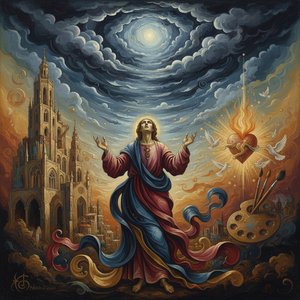
Un santuario de luz y sombra: El legado de El Greco
Enclavada entre las antiguas y laberínticas murallas de Toledo, España —una ciudad coronada por una magnífica catedral y empapada en siglos de historia profunda— se encuentra la Capilla de San José. Este íntimo santuario trasciende la definición de un mero espacio arquitectónico; es una peregrinación artística sin igual. Más que un simple edificio adornado con frescos, esta capilla encarna el espíritu singular y visionario de Domenikos Theotokopoulos, conocido universalmente como El Greco. Entrar en ella es dejar atrás el mundo moderno para adentrarse en el corazón de una revolución del Renacimiento español, donde cada pincelada sirve como testimonio de un artista que transformó irrevocablemente la pintura europea a través de su uso dramático del color y una inquietante profundidad psicológica.
El núcleo de la capilla está innegablemente definido por su impresionante colección de obras maestras de El Greco, piezas que laten con una intensidad visceral. Uno no puede evitar conmoverse ante el peso espiritual de Cristo en agonía en la cruz , donde la figura torturada domina la composición, bañada en una luminiscencia etérea que habla elocuentemente del sufrimiento y la redención. Este dominio de la luz es igualmente evidente en La coronación de la Virgen , un retablo monumental que muestra la capacidad de El Greco para fusionar las influencias bizantinas con un floreciente realismo renacentista. Estas obras no son meras imágenes estáticas; son narrativas cargadas de emoción, diseñadas para inspirar una profunda contemplación y asombro en todos aquellos que las contemplan.
Armonía arquitectónica y el espíritu del Renacimiento
Más allá de la brillantez individual de El Greco, la Capilla de San José sirve como un exquisito microcosmos del movimiento más amplio del Renacimiento español. Durante esta era, los artistas buscaron un delicado equilibrio entre recuperar los ideales clásicos y expresar un intenso fervor religioso, una dualidad que se materializa bellamente en los elementos decorativos de la capilla. La meticulosa atención al detalle, desde la ornamentación de estuco dorado hasta los drapeados cuidadosamente representados, refleja un profundo compromiso con los principios humanistas junto a una devota piedad. El interior está dominado por magníficos frescos, ejecutados con esmero en tonos vibrantes que parecen brillar desde su interior, creando una atmósfera donde lo divino se siente tangiblemente presente.
La arquitectura misma prioriza la creación de un entorno propicio para la contemplación artística y espiritual. Aunque los planos arquitectónicos históricos precisos siguen siendo esquivos, las proporciones y la orientación de la capilla son claramente una elección deliberada, diseñada para realzar la experiencia del espectador ante la obra de arte. El retablo, un complejo conjunto escultórico, reclama la atención con sus intrincados tallados e imaginería simbólica, demostrando la excepcional habilidad de El Greco tanto como pintor como diseñador. Poseía una capacidad poco común para orquestar diversos elementos visuales en un todo único y armonioso, donde la escultura, la pintura y el espacio convergen.
Un destino atemporal para el ojo exigente
La historia de la Capilla de San José está inextricablemente ligada a los años formativos de El Greco en Toledo. Al llegar a España alrededor de 1577, atraído por el mecenazgo de familias nobles y las ambiciones artísticas de la catedral, El Greco encontró en esta capilla un proyecto que consolidaría su reputación como uno de los artistas más destacados de su época. A lo largo de su historia, la capilla también ha servido como sede de importantes exposiciones académicas, donde estudios recientes han iluminado nuevas perspectivas sobre las técnicas de El Greco y han explorado sus conexiones con las corrientes intelectuales más amplias del Renacimiento.
Lo que distingue a la Capilla de San José de otros museos es su incomparable concentración de obras maestras de El Greco. Ofrece un privilegio inusual: la capacidad de sumergirse en la evolución estilística del artista y comprender el profundo impacto que ejerció en la trayectoria de la historia del arte europeo. Para el amante del arte, el coleccionista o el diseñante de interiores que busca inspiración en lo sublime, esta capilla no es simplemente un lugar para ver pinturas; es un lugar para sentirse envuelto por un espíritu visionario que continúa habitando e inspirando la imaginación moderna.