Descubre la portada de la partitura del Cuarteto Op. 130 en La b menor de Beethoven, de 1827. Diseño elegante del siglo XIX con tipografía ornamentada y motivos simbólicos, perfecto para los amantes de la música clásica y el arte.
Joseph Karl Stieler fue un pintor alemán reconocido por sus obras neoclasicas, especialmente retratos reales para la familia Sajonia-Altengburgo y el famoso retrato de Beethoven. ¡Descubre su arte en OriginalUniqueArt!
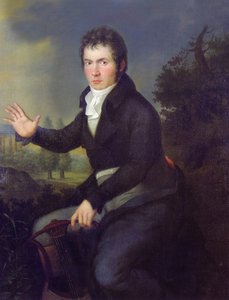
Maestro del retrato neoclásico, Joseph Willibrord Mähler es reconocido por sus profundas representaciones de Ludwig van Beethoven, capturando la esencia del genio musical con una sensibilidad extraordinaria.
Nestled within the cobblestone heart of Bonn, a city steeped in Prussian grandeur and Rhineland charm, lies the Beethoven-Haus – more than just a museum, it's an immersive journey into the genesis of one of music’s most enduring legacies. This isn’t merely a collection of portraits and manuscripts; it’s a palpable encounter with Ludwig van Beethoven himself, a chance to breathe the same air he breathed as a young boy grappling with genius and tragedy. The building itself, originally constructed in the mid-1700s as a modest townhouse for Johann Baptist Cramer, Bonn’s court organist, whispers stories of aristocratic pasts and quiet reverence – a grounding element that underscores the revolutionary spirit contained within its walls. Careful preservation efforts have meticulously recreated the domestic life surrounding Beethoven's childhood, allowing visitors to almost hear the echoes of his formative years, a crucial context often overlooked in accounts of his later triumphs. The understated elegance of the sandstone façade belies the extraordinary concentration of artistic energy held within, a testament to the city’s role as the cradle of a musical giant.
Treasures of a Boyhood: Unveiling Beethoven's Legacy
The museum’s collection is a breathtaking tapestry woven from the threads of Beethoven’s prodigious talent and intellectual curiosity. Dominating the space are original manuscripts – drafts of symphonies like No. 5 (“Fate”) and No. 9 (“Ode to Joy”), sketches for piano sonatas, and handwritten letters documenting his correspondence with fellow musicians and friends. These documents aren't simply historical relics; they’re intimate windows into Beethoven’s creative mind, revealing the painstaking process of transforming musical concepts into masterpieces. Alongside these manuscripts are reproductions of portraits depicting Beethoven at various stages of his life – a young man brimming with ambition, a celebrated composer commanding respect, and an aging artist battling deafness—each image capturing a facet of his complex personality. A particular highlight is the collection of educational materials used by Beethoven himself during his early years, offering a rare glimpse into the rigorous training that shaped his extraordinary abilities. The museum also showcases works by Nikolaus Lauer, a renowned portrait painter who captured the essence of Bonn’s aristocratic society and whose depictions of Beethoven's family provide invaluable insights into the boy's upbringing. The room dedicated to his childhood is particularly evocative, furnished with period pieces that recreate the simple comforts of his early life—a testament to the humble origins of such a monumental musical force.
The Chamber Music Hall: A Sonic Time Machine
What truly distinguishes the Beethoven-Haus from other museums is its commitment to bringing Beethoven’s music to life within the very space where it originated. The chamber music hall—a beautifully restored room furnished with instruments reminiscent of those Beethoven would have known—hosts regular concerts featuring historic keyboards, recreating the sonic landscape of Beethoven's Bonn. Listening to Schubert’s Piano Trio No. 8 in E-flat Major or Schumann’s Piano Quartet No. 1 in C minor performed on instruments crafted during Beethoven’s lifetime is an immersive experience unlike any other – a chance to connect with Beethoven’s music on a visceral level and understand its intended soundscape within the intimate setting of his birthplace. The hall isn’t just a performance space; it's a portal, transporting visitors back in time to witness the birth of musical innovation. The acoustics are carefully designed to mimic those of the period, creating an authentic atmosphere that enhances the emotional impact of the music.
A Singular Resonance: Architectural Details and Historical Context
Beyond its collection, the Beethoven-Haus is a remarkable architectural achievement. The building’s design reflects the prevailing styles of Bonn in the late 18th century—a harmonious blend of Baroque elegance and Rococo ornamentation. The sandstone façade, with its delicate carvings and arched windows, speaks to the city's rich artistic heritage. Originally built as a modest townhouse for Cramer, it was later transformed into Beethoven’s home, retaining much of its original character through careful restoration efforts. The adjacent building, originally used as a school, now houses the Beethoven Archive—a vast repository of manuscripts, letters, and other materials related to the composer's life and work. The museum also offers insights into Bonn’s role in the early 19th century – a vibrant cultural center that nurtured musical talent and fostered intellectual discourse. The surrounding area, with its historic streets and elegant squares, provides a tangible connection to Beethoven’s world.
Beyond the Walls: Research and Digital Engagement
The Beethoven Archive, housed adjacent to the museum, represents a cornerstone of Beethoven scholarship worldwide. Researchers meticulously analyze manuscripts, decipher musical notations, and reconstruct Beethoven’s life story through biographical accounts and correspondence—a collaborative effort ensuring that Beethoven’s legacy continues to inspire generations of music lovers. Recognizing the importance of accessibility in preserving cultural heritage, Beethoven-Haus Bonn actively engages in digital archiving and research, making its vast collection available online and fostering dialogue between scholars and enthusiasts across geographical boundaries. The museum's website offers a wealth of resources, including high-resolution images of manuscripts, scholarly articles, and interactive exhibits that bring Beethoven’s world to life for a global audience. Furthermore, the museum regularly hosts lectures, workshops, and educational programs designed to engage visitors of all ages and backgrounds.
Guided Tours:
Available in multiple languages, offering insights into the building's history and the composer's life.
Digital Exhibition:
Explore a virtual tour of the museum and delve deeper into specific exhibits online.
Educational Programs:
Designed for schools and families, fostering an appreciation for music and art.
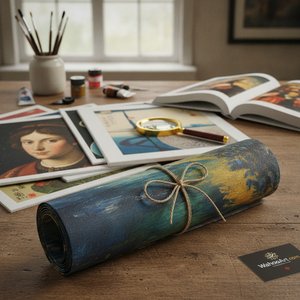
Discover the technical excellence of OriginalUniqueArt.com's premium Giclée prints. Featuring 12-color archival pigments and museum-grade canvas, our prints offer unparalleled vivid detail and longevity for the discerning art collector seeking world-class reproductions.
OAsistente de estudioEn línea · responde en un minuto
¡Hola! Puedo ayudarte a elegir una obra de arte, realizar el seguimiento de un pedido o resolver tus dudas sobre la garantía. ¿En qué puedo ayudarte hoy?