A Renaissance Jewel: Unveiling the Basilica di Santa Barbara in Mantua
Nestled within the historic heart of Mantua, Italy—a city renowned for its rich artistic heritage and meticulously preserved medieval architecture—stands the Basilica di Santa Barbara, a masterpiece that embodies the zenith of Renaissance design and artistry. More than just a place of worship, this church is an immersive experience, a testament to the vision of Giulio Romano and a profound reflection of Mantua’s prosperity during the 16th century. Its proximity to the magnificent Palazzo Ducale creates a captivating dialogue between power, patronage, and artistic brilliance, making it an essential stop for any traveler seeking to understand the soul of Lombardy.
Commissioned by Duke Guglielmo Gonzaga, ruler of Mantua from 1537 to 1580, the Basilica’s construction began in 1562 and unfolded over several decades. The Gonzaga family, astute patrons of the arts, recognized the power of architecture and decoration to project an image of strength, sophistication, and divine favor. This ambition is spectacularly realized within these walls, where Romano's genius intertwines with classical ideals and innovative Renaissance techniques. The church’s creation wasn’t merely a building project; it was a carefully orchestrated statement about Gonzaga rule – a symbol of both earthly power and spiritual devotion.
Architectural Harmony: A Synthesis of Classical Grace and Renaissance Innovation
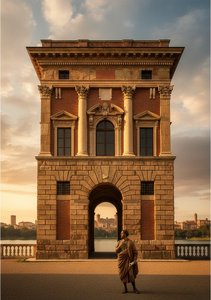
Giulio Romano, a student deeply influenced by the style of Raphael, masterfully shaped the Basilica’s design. The exterior presents a classically inspired facade—a harmonious blend of symmetry, proportion, and restrained ornamentation. However, Romano didn't simply replicate classical forms; he infused them with distinctly Renaissance elements. Notice the subtle curvature of the pilasters, the delicate entablature, and the carefully balanced rhythm of the windows – all contributing to an overall sense of movement and dynamism. Inside, the space unfolds as a carefully proportioned symphony of light and shadow, designed to evoke a profound sense of awe and contemplation.
The nave’s soaring height, accentuated by strategically placed arches, draws the eye upwards towards the magnificent dome—a feat of engineering that showcases Romano's understanding of perspective and spatial illusion. The apsidal end features a series of intersecting boxes, creating a visually arresting effect reminiscent of Bramante’s Tempietto in Rome – a deliberate nod to classical ideals and a demonstration of Romano’s intellectual prowess. The use of light is paramount; large windows flood the space with natural illumination, highlighting the frescoes and sculptures that adorn its walls. The Basilica's design represents a pivotal moment in the evolution of Renaissance architecture, blending classical influences with innovative techniques to create a truly unique and unforgettable space.
A Treasury of Renaissance Art: Frescoes, Sculpture, and Ornamentation
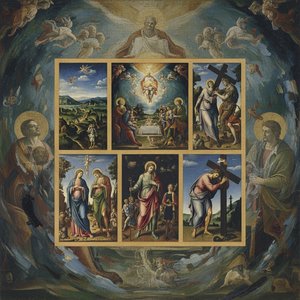
The Basilica’s true splendor lies in its lavish embellishments. The walls are adorned with a breathtaking cycle of Renaissance frescoes by Romano himself, depicting scenes from the life of Saint Barbara—the church’s namesake. These paintings are characterized by their vibrant colors, dynamic compositions, and masterful use of perspective, capturing the essence of the High Renaissance style. Beyond the frescoes, intricate sculptural details—including delicate marble reliefs and ornate gilded frames—add to the church's overall aesthetic appeal.
The architectural ornamentation is equally impressive, showcasing Romano’s mastery of classical design principles. Corinthian capitals, elaborate cornices, and finely carved stonework create a sense of luxurious abundance. The use of precious materials – marble, bronze, and gold – further elevates the church's grandeur. It’s important to note that the Basilica was designed not just as a place of worship but also as a stage for displaying the wealth and power of the Gonzaga family.
A Legacy of Patronage and Artistic Innovation
The Basilica di Santa Barbara stands as a poignant example of Renaissance patronage—a testament to the Gonzaga family’s commitment to fostering artistic excellence. Its construction reflects Mantua's position as a major cultural center during this period, attracting some of Italy’s most talented artists and architects. The church’s design represents a pivotal moment in the evolution of Renaissance architecture, blending classical influences with innovative techniques to create a truly unique and unforgettable space.
Today, the Basilica remains open to the public, offering visitors a rare opportunity to experience the beauty and artistry of this remarkable landmark. Its proximity to the Palazzo Ducale makes it an ideal starting point for exploring Mantua’s rich cultural heritage, providing a captivating glimpse into the city’s illustrious past.