Baptistery: A Testament to Medieval Artistic Genius
The Baptistery of San Giovanni in Pisa stands as an unparalleled achievement of Romanesque and Gothic architecture, a beacon of artistic innovation that continues to inspire awe centuries after its construction. Located prominently within Piazza dei Miracoli – alongside the Duomo and Camposanto Monumentale – this cathedral’s baptistery is more than just a religious building; it's a sculptural masterpiece embodying the spiritual fervor and intellectual curiosity of twelfth-century Italy. Its enduring beauty resides not only in its impressive scale but also in the meticulous craftsmanship and profound symbolism woven into every stone.Architectural Excellence: The Baptistery’s octagonal plan is deliberately designed to represent eternity, mirroring the Christian concept of heaven—a harmonious blend of Romanesque solidity and Gothic soaring height achieved through masterful marble carving and precise mathematical proportions. Considered a cornerstone of Italian Medieval Art, it exemplifies the ambition of its time.
Collection Highlights and Artistic Features
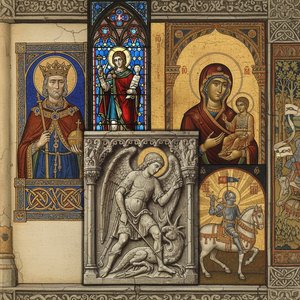
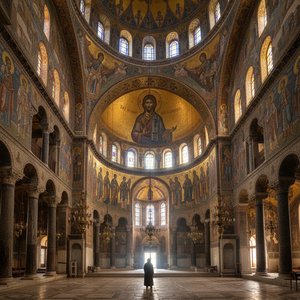
The Baptistery’s interior is dominated by monumental sculptures created by Diotisalvi and Nicola Pisano—artists who redefined the art of carving marble. These figures depict biblical scenes, primarily focusing on Saint John the Baptist, conveying narratives of salvation and divine grace. The central baptisterial font itself is adorned with intricate mosaics depicting scenes from the Gospels, further enriching its visual splendor. Notably, Nicola Pisano’s pulpit, featuring a depiction of Christ Pantocrator—the Almighty King—represents a pivotal moment in artistic history, establishing a new standard for sculptural representation.- Marble Sculptures: Diotisalvi's sculptures exemplify Romanesque style with their robust forms and expressive faces, while Pisano’s pulpit heralds the Gothic era’s emphasis on naturalism and grandeur.
- Baptisterial Font: The mosaics showcase vibrant colors and detailed imagery—a testament to the skill of Byzantine artisans who traveled to Pisa during Pisano's lifetime.
Architectural Design and Unique Features
Beyond its sculptural treasures, the Baptistery’s architectural design contributes significantly to its allure. Its dome, constructed without scaffolding – a feat of engineering ingenuity – stands as an emblem of medieval ambition and technical prowess. The exterior walls are clad in alabaster marble—a material chosen for its luminosity and purity—creating a breathtaking visual spectacle that captivates visitors from afar. Furthermore, the building’s acoustics are carefully calibrated to amplify sound, enhancing the solemnity of religious ceremonies. This remarkable acoustic quality has been celebrated by musicians throughout history, cementing Pisa's Baptistery as one of Italy’s most treasured musical spaces.
What distinguishes the Baptistery from other ecclesiastical structures is its unparalleled artistic achievement combined with groundbreaking architectural innovation. It stands as an indelible reminder of Pisa’s golden age—a testament to human creativity and spiritual aspiration that continues to resonate powerfully today.
Historical Background
Commissioned by Bishop Guido da Montefiore in 1153, the Baptistery represents Pisa’s unwavering devotion to Christianity and its role as a leading center for artistic patronage. Throughout its history, it has served as a focal point for civic life, witnessing coronations, processions, and countless baptisms—each event reinforcing its status as a symbol of Pisa’s cultural heritage. Its enduring presence testifies to the resilience of faith and artistry across generations.
Visiting the Baptistery offers an unforgettable journey into the heart of Medieval Art and Architecture. Admire the masterful sculptures, contemplate the ethereal acoustics, and immerse yourself in the rich symbolism that defines this extraordinary monument—a legacy of artistic brilliance destined to inspire awe for centuries to come.