

Un tesoro de Turín: El legado vivo de la Accademia Albertina
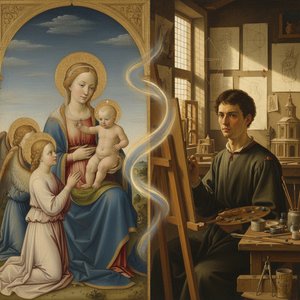
Enclavada en el corazón histórico de Turín, Italia, la Accademia Albertina di Belle Arti se erige como un profundo testimonio de siglos de esfuerzo artístico y curiosidad intelectual. Sus orígenes están profundamente arraigados en las aspiraciones del Ducado de Saboya, comenzando su trayectoria como la “Universidad de Pintores, Escultores y Arquitectos”. A medida que la institución evolucionaba, reflejaba las corrientes artísticas más amplias que recorrían Europa; inspirada por la prestigiosa Académie Royale de Paris, importantes reformas lideradas por Víctor Amadeo III transformaron la Academia en un verdadero centro para la búsqueda académica y la práctica creativa. Para 1833, bajo el mecenazgo transformador de Carlos Alberto, la institución renació como la Albertina, señalando una nueva era de ambición que vincularía su nombre para siempre a la identidad cultural del Piamonte.
El entorno arquitectónico de la Academia es, en sí mismo, una obra maestra de síntesis histórica. Construido sobre las evocadoras ruinas del convento de San Francesco da Paola, el edificio refleja una armoniosa mezcla de influencias neoclásicas y el grandioso paisaje urbano de Turín. Diseñada por Giuseppe Talucchi, la magnífica estructura sirve como un símbolo físico de renovación, donde el peso de la historia se encuentra con la luz de la innovación artística. Recorrer sus pasillos es experimentar una transición fluida entre el pasado sagrado y el presente académico, un viaje inmersivo que une las eras de manera cautivadora.
Un diálogo de obras maestras y evolución artística
Dentro de los muros de la Pinacoteca, coleccionistas y entusiastas del arte encontrarán una colección notablemente diversa que abarca la amplitud de la historia europea. La galería ofrece un diálogo impresionante entre diferentes épocas, exhibiendo obras maestras que van desde la intrincada precisión de los Maestros Flamencos hasta la luminosa gracia del Renacimiento italiano. Entre sus tesoros más espiritualmente resonantes se encuentra San Ambrosio y San Gregorio, Doctores de la Iglesia de Filippo Lippi, una obra que encarna una devoción profunda a través de su ejecución magistral. La colección celebra además el poder dramático del siglo XVI con obras de Gaudenzio Ferrari y su escuela, incluyendo raros cartones donados por Carlos Alberto, junto a las evocadoras y emocionalmente cargadas composiciones de Maarten van Heemskerck, como su Descendimiento en el Sepulcro .
El alcance cultural de la Academia se extiende mucho más allá de sus cimientos clásicos, manteniendo una conexión vibrante con la evolución del arte moderno. La colección Mossi di Morano ofrece una ventana al legado veneciano, presentando pinturas ejecutadas con luminosidad que capturan la edad de oro de la República de Venecia. Este compromiso con el diálogo artístico se evidencia aún más en la historia de la Academia al albergar exposiciones innovadoras, que van desde retrospectivas de maestros como Picasso y Warhol hasta exploraciones contemporáneas. Lo que verdaderamente distingue a la Accademia Albertina es esta dualidad singular: permanece como una prestigiosa academia que nutre a la próxima generación de creadores, mientras sirve simultáneamente como un repositorio sagrado de excelencia para el público. Para el diseñador de interiores que busca inspiración o el amante del arte que busca profundidad, la Academia ofrece un encuentro sin igual con la belleza sublime del patrimonio italiano.