A Renaissance Man in the Service of Art and Exploration
Jerónimo Corte Real de Sousa (1533-1588) stands as a singular figure within the tapestry of the Portuguese Renaissance, embodying the spirit of intellectual curiosity alongside martial prowess and artistic creativity. Born in Lisbon, Portugal, he descended from a noble lineage – the Corte-Real family – deeply intertwined with the burgeoning Age of Exploration, shaping his worldview and propelling him toward ambitious endeavors both on the battlefield and on the canvas.Early Life and Education
Jerónimo’s formative years were steeped in humanist scholarship, equipping him with the foundational knowledge necessary for his subsequent pursuits. He received a comprehensive education encompassing Latin, Greek, philosophy, and history—disciplines that would profoundly influence his artistic sensibilities and literary output. Notably, he served as captain in the Portuguese Navy during his youth, participating in expeditions to Labrador and the Arctic seas – experiences that instilled within him a fascination with distant lands and broadened his understanding of human resilience against adversity. This exposure to maritime exploration undoubtedly fueled his imagination and contributed to the grandeur of his epic poems.Artistic Legacy: Poetry and Painting
Jerónimo Corte Real’s artistic legacy is characterized by two distinct yet interconnected mediums: poetry and painting. He penned *O Segundo Cerco de Diu*, an ambitious poem recounting the siege of Diu—a pivotal moment in Portuguese colonial history—demonstrating a masterful command of language and dramatic storytelling. Simultaneously, he cultivated his artistic talent, producing evocative landscapes and portraits that capture the essence of his era. His most celebrated work is arguably *Austriada*, an epic poem commemorating the victory of Don John of Austria over the Ottoman Turks at Lepanto – a triumph lauded by King Philip II., who personally honored Corte Real’s dedication. Furthermore, *São Miguel e as suas Almas* delves into profound themes of faith and human emotion with poetic grace.Influence and Context
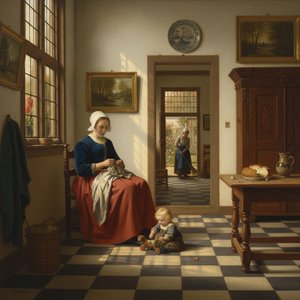
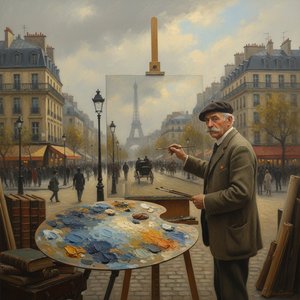
Corte Real's artistic endeavors were inextricably linked to the broader intellectual currents of the Renaissance. Virgil—the Roman poet whose verses served as inspiration for countless artists—represented a cornerstone of humanist thought, emphasizing reason, virtue, and classical ideals. Corte Real’s engagement with Virgil’s legacy reflects the Renaissance desire to revive Greco-Roman culture and elevate human experience beyond medieval dogma. His paintings, imbued with vibrant colors and meticulous detail, exemplify the artistic innovations of the period, mirroring the burgeoning interest in naturalism and perspective.Historical Significance
Jerónimo Corte Real de Sousa's contribution to Portuguese literature and art transcends mere stylistic achievement; he embodies the spirit of his time—a period marked by daring voyages, intellectual ferment, and a fervent belief in human potential. His works stand as enduring symbols of Portugal’s golden age, reminding us of its role as a pioneer in maritime exploration and artistic expression. As evidenced by exhibitions at institutions like the Österreichische Galerie Belvedere and Museo de Bellas Artes de Asturias—where his paintings are showcased alongside other masterpieces of the Renaissance—Corte Real's legacy continues to resonate with scholars and art enthusiasts alike.Preguntas y respuestas
¿Puedo explorar las obras de Jerónimo Corte-Real De Sousa por palabra clave?
Las obras de Jerónimo Corte-Real De Sousa pueden explorarse por palabra clave en la página de Por palabras clave del artista. Cada palabra clave agrupa las obras relacionadas.
¿Dónde se pueden explorar las obras de Jerónimo Corte-Real De Sousa clasificadas por tema?
El Atlas de temas de Jerónimo Corte-Real De Sousa es una página que organiza las obras del artista según sus temas.
¿Qué colores utilizaba con más frecuencia Jerónimo Corte-Real De Sousa?
El Genoma de la Paleta de Jerónimo Corte-Real De Sousa es una página que presenta el perfil cromático de la obra del artista.