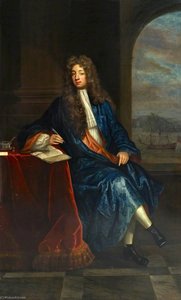
vida y aspiraciones artísticas
charles d' agar, un pintor envuelto en el misterio, ha dejado una huella indeleble en el mundo del arte con sus obras, que ahora se encuentran mayormente confinadas a los reinos de los archivos históricos del arte. Nacido en 1669 y sumido en el olvido hacia 1723, la vida de d' agar es un testimonio de la naturaleza transitoria de la fama artística.estilo artístico y obras notables
El estilo de d' agar, aunque no está extensamente documentado, se caracteriza por sus elementos barrocos, con una iluminación dramática y una intensa profundidad emocional. Lamentablemente, debido a la escasez de información, las obras específicas de d' agar no están fácilmente disponibles para su visualización en plataformas como la extensa colección de OriginalUniqueArt. Sin embargo, su influencia puede apreciarse en diversas obras maestras del barroco, tales como "el triunfo de la victoria" de peter paul rubens en el musée des beaux-arts (troyes, francia), la cual exhibe contrastes dramáticos similares.legado e influencia
- influencia en movimientos artísticos posteriores: la obra de d' agar, aunque no esté documentada directamente, ha contribuido a la evolución del arte, particularmente en el movimiento del romanticismo, el cual enfatizó la emoción y el individualismo.
- significado cultural: su arte, una mezcla de elementos barrocos y emergentes románticos, significa un momento crucial en la historia del arte, tendiendo un puente entre dos periodos significativos.
- un enigma perdurable: el misterio que rodea la vida y las obras de d' agar ha despertado el interés de muchos, asegurando que su legado perdure como una figura enigmática en los anales de la historia del arte.
- explore más sobre los movimientos artísticos que dieron forma al mundo del arte en OriginalUniqueArt.
- descubra "la sagrada familia en Egipto" de nicolas poussin, una obra maestra del periodo barroco, en OriginalUniqueArt.
- aprenda más sobre el "autorretrato (17)" de rembrandt van rijn, una obra icónica de la edad de oro holandesa, en la colección de OriginalUniqueArt. wikipedia: charles d' agar (información limitada) | OriginalUniqueArt: obras de charles d' agar (reproducciones disponibles)
Preguntas y respuestas
¿Dónde se pueden ver las obras de Charles D’Agar agrupadas por paleta?
Puedes explorar las obras de Charles D’Agar por paleta de colores en la página de Por paletas de colores del artista.
¿De dónde es Charles D’Agar?
Charles D’Agar nació en Francia.
¿Cómo puedo encontrar obras de Charles D’Agar sobre un tema específico?
La página Por palabras clave de Charles D’Agar agrupa las obras del artista por palabras clave.