Una síntesis de arquitectura, cine y visión artística
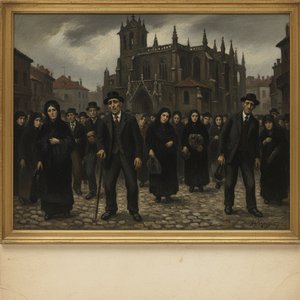
Ángel Jové Jové (1940 – 2023) emergió del paisaje histórico de Lleida, España, como un creador profundamente polifacético cuya carrera desafió los límites de la maestría en una sola disciplina. Su viaje artístico fue un diálogo continuo entre la estructura y la espontaneidad, abarcando la rigurosa precisión de la arquitectura, el ritmo temporal del cine y la libertad expresiva del diseño gráfico y la pintura. Con bases sólidas en sus estudios formales de arquitectura en la Universidad de Lleida, Jové Jové poseía una comprensión innata de la dinámica espacial y la integridad estructural. Sin embargo, se negó a quedar confinado por los planos de su formación, utilizando en su lugar su conocimiento de la forma para explorar los reinos más efímeros de la expresión visual, donde el peso de una línea o la textura de una superficie podían transmitir tanto significado como cualquier edificio físico.
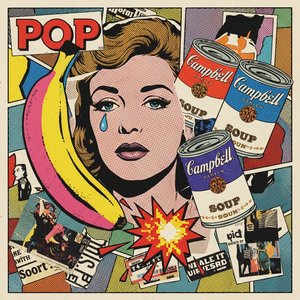
La evolución de su estilo estuvo profundamente entrelazada con las cambiantes mareas culturales de la España de mediados de siglo. Durante las décadas de 1960 y 1970, Jové Jové encontró una profunda inspiración en el auge del Informalismo, un movimiento que defendía el poder puro del gesto y la belleza de la imperfección. Esta influencia insufló vida a su obra, alentándolo a priorizar el proceso creativo y la resonancia emocional por encima de la rígida perfección académica. Al abrazar el espíritu rebelde tanto del Informalismo como del Pop Art, desarrolló un lenguaje visual capaz de oscilar entre la energía visceral y texturizada de la expresión abstracta y la claridad comunicativa e impactante requerida para el diseño gráfico. Su obra se convirtió en un tapiz extraordinario de escultura, dibujo, pintura y fotografía, donde cada medio servía como una lente diferente para capturar la esencia fugaz de la experiencia humana.
Diseño, tipografía y el arte de la comunicación
Más allá del lienzo y la pantalla, Jové Jové dejó una huella indeleble en el mundo de la comunicación visual a través de sus sofisticadas contribuciones al ámbito editorial. Su formación arquitectónica le proporcionó una ventaja única en el campo del diseño gráfico, permitiéndole abordar las portadas de libros y los maquetados tipográficos con un agudo sentido del equilibrio y la composición. Mediante prestigiosas colaboraciones con reconocidas editoriales como Tusquets y Anagrama, demostró una capacidad extraordinaria para elevar las narrativas textuales a través de imágenes impactantes. Su trabajo en el diseño de cubiertas nunca fue meramente decorativo; era una extensión intelectual de su arte, donde cada elección de tipografía y color servía para profundizar el compromiso del lector con la palabra escrita.
El legado de Ángel Jové Jové se define precisamente por esa negativa a compartimentar sus talentos. Su importancia reside en su habilidad para tejer hilos dispares —lo estructural, lo cinematográfico y lo gráfico— en una identidad artística cohesiva. Estudiar su obra es presenciar la búsqueda de toda una vida hacia una visión unificada, una que celebra la complejidad de la vida moderna a través de un prisma de profunda curiosidad y maestría técnica. Sus contribuciones permanecen como una parte vital del patrimonio artístico español, recordándonos que la verdadera creatividad no conoce fronteras y que el arte más perdurable suele existir en la intersección de muchos mundos.
Preguntas y respuestas
¿Con qué otros nombres se conoce a Ángel Jové Jové?
Ángel Jové Jové también es conocido por los nombres Ángel Jové.
¿Qué tan populares son las obras de Ángel Jové Jové?
La página de Estadísticas de Ángel Jové Jové presenta estadísticas calculadas a partir de las obras del artista listadas en este sitio web.
¿Dónde puedo ver las obras de Ángel Jové Jové en orden cronológico?
La página de Cronología de obras del artista presenta las obras de Ángel Jové Jové ordenadas cronológicamente, año tras año.