
 Ver en contexto
 Enviar
 Compartir
 Detalles
 Guía
Guía

 Descargar
 Similares
 Radiografía
 Presentación de diapositivas
 Preguntas y respuestas
 Estadísticas
Nymph

- 182.0 x 62.0 cm


 Ver más
Giclée / Impresión de arte
Impresiones giclée o en lienzo de calidad de museo con producción rápida y opciones de acabado flexibles. ( Comprar pintura hecha a mano Cambiar a imagen digital)




































Elija entre nuestros tamaños predefinidos que respetan las proporciones originales de la obra.

Introduzca el ancho y el alto que necesite para adaptarse a su marco o pared. Una impresión solo puede recortarse, nunca hacerse más grande que la imagen original, por lo que un tamaño con una forma distinta perderá parte de la obra. Le enviaremos una maqueta digital para su aprobación antes de realizar cualquier impresión. La imagen que se muestra en esta página no refleja el recorte real; solo la maqueta lo hace.
Envío a todo el mundo () en 2 semanas en lugar de las 4/5 semanas estándar. (20 noviembre)

Envío exprés gratuito a todo el mundo

Lienzo de lino de alta calidad

Seguro de envío total

Garantía de reembolso de aranceles aduaneros

Garantía de fidelidad cromática exacta

Política de devolución de 100 días (solo por defectos)

Garantía de devolución del 100% del dinero

Descuento por cantidad
 La opción de vidrio solo está disponible en tamaños inferiores a 110 cm.

Nymph
Giclée / Impresión de arte
Dimensiones de la reproducción
-


Precio total final
€ 72
Preguntas y respuestas
¿De dónde provienen los visitantes de "Nymph" de Zheko Spiridonov?
Las estadísticas sobre "Nymph" de Zheko Spiridonov se encuentran en la página de Estadísticas de la obra: visitas mensuales de la pieza, visitas a las obras del artista y desgloses por país e idioma de los visitantes recientes.
¿Permaneció "Nymph" en el país de origen de su artista?
Sí, la obra se encuentra en el país de origen del artista. El país de nacimiento de Zheko Spiridonov es Bulgaria, y el museo que alberga el original de "Nymph" se encuentra en Bulgaria.
¿Puedo ver una radiografía de "Nymph" de Zheko Spiridonov?
La vista de rayos X de "Nymph" de Zheko Spiridonov se encuentra en la página Radiografía de la obra: un examen interactivo de la imagen a través de once capas ópticas.
Biografía del artista
Zheko Spiridonov: Un Pionero del Neoclasicismo Búlgaro
Zheko Spiridonov (1867-1945) se erige como una figura fundamental en la naciente escena artística de la Bulgaria de la posliberación, un escultor cuya obra tendió un puente entre las tradiciones académicas europeas y la floreciente identidad nacional de su país. Nacido en Shumen, Bulgaria, el viaje de Spiridonov hacia la prominencia artística estuvo marcado por una formación rigurosa y una dedicación tanto a las formas clásicas como a la representación de la historia y la cultura búlgara. Su carrera se desarrolló bajo el trasfondo de importantes cambios sociales y políticos, moldeándolo como uno de los escultores más trascendentales de su época. La educación temprana de Spiridonov comenzó en la Escuela de Cerámica de Bechyně, en la República Checa, una ubicación estratégica elegida por el Ministerio de Ilustración para exponerlo a las prácticas artísticas europeas. Esta exposición inicial resultó invaluable, proporcionándole una base de destreza técnica y una comprensión de las técnicas de modelado clásico. Sin embargo, su verdadero desarrollo artístico se aceleró con sus estudios posteriores en la Academia de Bellas Artes de Múnich, donde se graduó con una medalla de plata, testimonio de su talento emergente y de su adhesión a los rigurosos estándares de la escuela académica. La influencia de Múnich es innegable en su obra tardía; Spiridonov abrazó el estilo neoclásico predominante en la ciudad, caracterizado por su énfasis en las formas idealizadas, el detalle preciso y un sentido de contenida dignidad. Esta elección estilística reflejó tanto un esfuerzo consciente por emular a los maestros europeos establecidos como el deseo de dotar a la escultura búlgara de un aire de autoridad y atemporalidad. Tras su graduación, Spiridonso regresó a Bulgaria y ascendió rápidamente a posiciones de influencia dentro del paisaje artístico en desarrollo del país. Se convirtió en uno de los primeros conferenciantes y profesores de la recién establecida Escuela Estatal de Dibujo en Sofía (más tarde la Academia Nacional de Arte), un papel que desempeñó en tres ocasiones distintas, demostrando su compromiso con el cultivo de las futuras generaciones de artistas. Más allá de sus deberes docentes, Spiridonov se distinguió por una serie de encargos significativos, especialmente la creación de retratos de caballete representativos ejecutados con el espíritu del academicismo de Múnich. Estos retratos, que a menudo representaban a líderes del renacimiento nacional y figuras revolucionarias, sirvieron como poderosas narrativas visuales de la trayectoria histórica de Bulgaria. También esculpió una galería de bustos monumentales en honor a personalidades clave del periodo del Renacimiento Nacional, consolidando su reputación como un escultor profundamente comprometido con la formación de la identidad cultural búlgara. Cabe destacar que Spiridonov fue uno de los primeros escultores búlgaros en aventurarse en la representación de desnudos con el estilo neoclásico, un movimiento audaz que desafió las convenciones artísticas imperantes y señaló un giro hacia un mayor realismo y humanismo dentro de la escultura búlgara.Primeras Influencias y Estilo Artístico
El desarrollo artístico de Spiridonov puede rastrearse hasta varias influencias clave. La Academia de Múnich le proporcionó las habilidades técnicas y la formación formal esenciales para dominar las técnicas de escultura clásica. No obstante, su contacto con la cerámica checa le inculcó un aprecio por la artesanía y la atención al detalle. Además, se vio profundamente influenciado por el estilo neoclásico predominante del siglo XIX, caracterizado por su énfasis en formas idealizadas, composiciones equilibradas y una sensación de eternidad. Esta elección estilística es evidente en muchas de sus obras, particularmente en sus retratos y bustos monumentales, que a menudo representan a sus sujetos con un aire de solemne dignidad y belleza clásica. Su trabajo demuestra una capacidad extraordinaria para capturar la esencia de sus modelos mientras se adhiere estrictamente a los principios de la escultura neoclásica.Obras Clave y Significado Histórico
La producción artística de Spiridonov abarca una gama diversa de proyectos, cada uno de ellos contribuyendo a la evolución de la escultura búlgara. Sus retratos, especialmente aquellos que representan figuras del periodo del Renacimiento Nacional, son considerados obras maestras de su género. Estas piezas no solo capturan el parecido de las figuras históricas, sino que también transmiten sus personalidades e ideales con una destreza notable. Los bustos monumentales que creó —honrando a revolucionarios, intelectuales y líderes culturales— desempeñaron un papel crucial en la formación de la memoria colectiva de Bulgaria y en la celebración de su patrimonio nacional. Su trabajo en el monumento a Vasil Levski en Karlovo es particularmente digno de mención, pues encarna el espíritu de resistencia y sacrificio búlgaro. Más allá de estas obras monumentales, los primeros desnudos de Spiridonov, ejecutados con una sensibilidad rara vez vista en la escultura contemporánea, representaron un paso significativo para el arte búlgaro, demostrando su voluntad de desafiar las convenciones artísticas y explorar nuevas vías de expresión.Legado e Impacto Duradero
La contribución de Zheko Spiridonov al arte búlgaro es profunda y perdurable. Desempeñó un papel fundamental en el establecimiento de los cimientos de la escultura moderna en la Bulgaria de la posliberación, introduciendo las tradiciones académicas europeas mientras forjaba simultáneamente una voz artística distintivamente búlgara. Su influencia se extendió más allá de sus propias creaciones; fue mentor de generaciones de artistas en la Academia Nacional de Arte, moldeando el curso de la escultura búlgara durante las décadas venideras. Su obra continúa siendo estudiada y admirada en la actualidad, sirviendo como testimonio de su habilidad, visión y dedicación al arte de la escultura. Permanece como una figura clave para comprender el desarrollo de la identidad artística búlgara durante un periodo de significativa transformación social y política. Su legado está inextricablemente ligado a los esfuerzos de la nación por definirse a sí misma a través del arte y la cultura.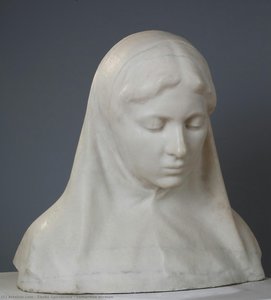
Zheko Spiridonov
1867 - 1945 , Bulgaria
Datos clave
- Artistic Movement Or Style: Neoclásico, Académico
- Artists Or Movements Influenced By This Artist:
- Escuela Académica de Múnich
- Renacimiento Nacional de Bulgaria
- Artists Who Influenced This Artist:
- Academia de Múnich
- Zahari Zograf
- Date Of Birth: 1867
- Date Of Death: 1945
- Full Name: Zheko Spiridonov
- Nationality: Búlgaro
- Notable Artworks:
- La mujer samaritana
- Retrato de James Bourchier
- Place Of Birth: Bulgaria
Artículos relacionados

Zinaida Serebriakova: A Pioneer of Russian Modernism & Embodiment of Female Experience
Explore the life & art of Zinaida Serebriakova, a pioneering Russian Modernist painter. Discover her intimate scenes, striking self-portraits, and lasting impact on 20th-century art. A deep dive into her world.

Ivan Bilibin: A Synthesis of Folklore, Modernism & National Identity in Russian Illustration
Explore the enchanting world of Ivan Bilibin, a master Russian illustrator who synthesized folklore, Art Nouveau & national identity. Discover his iconic fairy tale illustrations and legacy with OriginalUniqueArt.
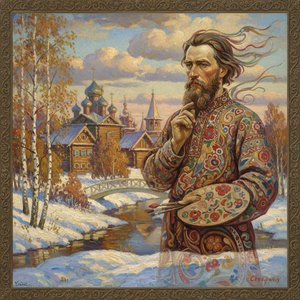
Igor Grabar: Bridging Impressionism & National Identity in Russian Modern Art
Explore the life & art of Igor Grabar, a pivotal figure in Russian Modernism. Discover his Impressionist landscapes, crucial role in art history, and legacy at the Tretyakov Gallery. A deep dive into a master painter & scholar.
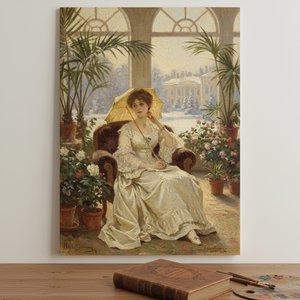
Valentin Serov: Capturing the Soul of Russia’s Belle Époque
Explore the captivating portraits of Valentin Serov, Russia’s leading Belle Époque artist. Discover his psychological depth, realistic style & lasting influence on Russian art history. Learn more at OriginalUniqueArt.
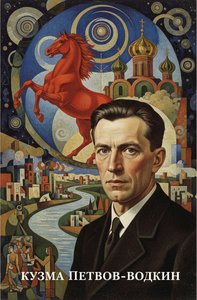
Kuzma Petrov-Vodkin: A Pioneer of Russian Spiritual Symbolism & the Avant-Garde
Explore the captivating world of Kuzma Petrov-Vodkin, a pivotal figure in Russian avant-garde and spiritual symbolism. Discover his iconic works, unique style & lasting influence on 20th-century art.