
 Ver en contexto
 Enviar
 Compartir
 Detalles
 Guía
Guía

 Descargar
 Similares
 Radiografía
 Presentación de diapositivas
 Preguntas y respuestas
 Estadísticas
Desnudo masculino


 Ver más
Giclée / Impresión de arte
Impresiones giclée o en lienzo de calidad de museo con producción rápida y opciones de acabado flexibles. ( Comprar pintura hecha a mano Cambiar a imagen digital)




P118B €10

P118H €10

P118W €10

P438Z €10

P508JH €12

P508YH €12

P805H €10

P805Z €10

P919BZ €10

P919G €10

P919XJ €10

P959ZH €10

P968JZ €12

W106C €8

W218G €10

W218JH €8

W218Y €10

W307PJ €10

W316G €10

W316PJ €8

W316Y €10

W398PJ €8

W4111J €10

W500HY €15

W500JH €15

W692G €12

W849H €8

W940BG €15

W953PJ €8




Elija entre nuestros tamaños predefinidos que respetan las proporciones originales de la obra.

Introduzca el ancho y el alto que necesite para adaptarse a su marco o pared. Una impresión solo puede recortarse, nunca hacerse más grande que la imagen original, por lo que un tamaño con una forma distinta perderá parte de la obra. Le enviaremos una maqueta digital para su aprobación antes de realizar cualquier impresión. La imagen que se muestra en esta página no refleja el recorte real; solo la maqueta lo hace.
Envío a todo el mundo () en 2 semanas en lugar de las 4/5 semanas estándar. (3 noviembre)

Envío exprés gratuito a todo el mundo

Lienzo de lino de alta calidad

Seguro de envío total

Garantía de reembolso de aranceles aduaneros

Garantía de fidelidad cromática exacta

Política de devolución de 100 días (solo por defectos)

Garantía de devolución del 100% del dinero

Descuento por cantidad
 La opción de vidrio solo está disponible en tamaños inferiores a 110 cm.

Desnudo masculino
Giclée / Impresión de arte
Dimensiones de la reproducción
-


Precio total final
€ 72
Una síntesis de tradición y visión moderna
En los anales del arte del siglo XX, pocas obras capturan la profunda tensión entre el legado y la innovación con tanta conmoción como “Desnudo masculino” de Xu Beihong. Creada en 1924, esta pieza fundamental surgió durante una era transformadora en la que el arte chino comenzó su intenso, y a menudo turbulento, compromiso con las influencias occidentales. Pintada poco después de que el artista se trasladara a París —un viaje facilitado por el mecenazgo diplomático—, la obra sirve como un manifiesto visual de la ambición de Beihong. Él no buscaba simplemente imitar a Occidente, sino forjar un lenguaje estético nuevo y sofisticado que pudiera honrar los principios clásicos chinos de su juventud, al tiempo que abrazaba el dinamismo floreciente y el realismo anatómico del modernismo europeo.
El sujeto de la pintura es un estudio tanto de fuerza como de vulnerabilidad. Una figura masculina se yergue ante un muro austero, con su físico plasmado con un dominio notable de la musculatura y la postura. Ataviado únicamente con la cruda honestidad de la forma humana, sostiene un bastón en una mano y un escudo en la otra, elementos que otorgan una cualidad heroica, casi mitológica, a la composición. Este uso deliberado de atributos clásicos sugiere un diálogo con las grandes tradiciones de la antigüedad occidental; sin embargo, existe una frescura inconfundible en la manera en que Beihong captura la pose segura del sujeto, creando una presencia cautivadora que reclama la atención del espectador.
Maestría técnica y gesto expresivo
La ejecución técnica de “Desnudo masculino” revela a un artista profundamente inmerso en el espíritu experimental de su época. Al utilizar carboncillo y tiza blanca sobre lienzo, Beihiente se alejó del detalle meticuloso de línea fina característico de la pintura de paisaje tradicional china para adoptar un enfoque más impresionista. Este medio permitió un juego magistral de luces y sombras, donde las variaciones tonales definen los contornos del cuerpo y crean una sensación de peso tridimensional. La pincelada del artista —o más bien, sus trazos de carboncillo— prioriza el gesto expresivo sobre la precisión rígida, dotando a la figura de un sentido palpable de movimiento y vida.
Para el coleccionista exigente o el diseñador de interiores, esta pieza ofrece un sofisticado juego de texturas y tonos. La paleta monocromática proporciona una elegancia atemporal que se integra perfectamente en diversos estilos decorativos, desde galerías minimalistas contemporáneas hasta estudios clásicos de rica textura. La forma en que la tiza blanca captura la luz contra el oscuro carboncillo crea una cualidad luminosa, convirtiendo a la obra en un punto focal que infunde vitalidad a cualquier espacio.
La resonancia emocional de la forma humana
Más allá de su brillantez técnica, “Desnudo masculino” resuena con una profunda profundidad emocional. La figura desnuda ha sido durante mucho tiempo un motivo recurrente en la historia del arte, representando un ideal de perfección humana y una exploración de nuestra realidad biológica compartida. En manos de Beihong, esta exploración se convierte en un reflejo de la fuerza interior y la resiliencia del espíritu humano. Hay una dignidad silenciosa en la postura del sujeto, la sensación de un hombre que se encuentra en el umbral de una nueva era, muy parecido a cómo el propio artista navegaba por la encrucijada de dos grandes civilizaciones.
Poseer una reproducción de esta obra maestra es invitar a la historia del arte al propio hogar: una pieza que celebra el valor de innovar y la belleza del ser sin adornos. Sirve como una inspiración perdurable, recordándonos que la verdadera grandeza reside a menudo en la capacidad de tender puentes entre mundos dispares, encontrando la armonía entre las tradiciones que heredamos y las visiones modernas que nos atrevemos a crear.
Preguntas y respuestas
¿A qué se debe la situación de los derechos de autor de "Desnudo masculino" de Xu Beihong?
"Desnudo masculino" de Xu Beihong es de en el dominio público: sus derechos de autor han expirado. La vigencia de los derechos de autor se cuenta a partir del fallecimiento del artista, que tuvo lugar en 1953.
¿Qué emoción transmite "Desnudo masculino" de Xu Beihong?
"Desnudo masculino" se asocia con un sentimiento Contemplativo. El tono emocional describe la impresión que transmite la obra.
¿A qué periodo pertenece "Desnudo masculino" de Xu Beihong?
"Desnudo masculino" de Xu Beihong data del periodo Edad Moderna. Este periodo aporta el contexto histórico de la obra.
Biografía del artista
A Pioneer Bridging Worlds: The Life and Art of Xu Beihong
Xu Beihong, born Xu Shoukang in 1895 in the tranquil town of Yixing, Jiangsu province, stands as a monumental figure in 20th-century Chinese art. His life was a compelling narrative of artistic evolution, dedicated to forging a new path for Chinese painting—one that harmoniously blended the rich traditions of his homeland with the innovations of Western art. From humble beginnings steeped in classical learning and traditional brushwork under the tutelage of his father, Xu Dazhang, a struggling artist himself, young Beihong’s early life was marked by both artistic promise and economic hardship. This formative period instilled within him not only technical skill but also a deep appreciation for Chinese culture and a resilient spirit that would define his career. The family's itinerant existence, painting portraits and landscapes to make ends meet, exposed him to the realities of rural China and fueled an early ambition to elevate the status of art and artists. A pivotal moment arrived when he adopted the name “Beihong,” meaning "sad wild goose," a reflection perhaps of his youthful anxieties and aspirations—a poignant symbol that would resonate throughout his life’s work.The European Awakening: Forging a New Artistic Vision
Driven by a thirst for knowledge and a desire to modernize Chinese art, Xu Beihong embarked on a transformative journey to Europe in 1917. Initially studying in Tokyo, he soon secured a coveted scholarship to the prestigious École Nationale Supérieure des Beaux-Arts in Paris. This period proved crucial in shaping his artistic philosophy and technique. Immersed in the heart of European art, he meticulously studied oil painting and drawing, mastering Western principles of perspective, composition, and realism. While embracing these new techniques, Xu Beihong remained critical of certain modernist trends prevalent at the time, favoring instead the classical traditions he encountered. He adopted the French name "Ju Péon" during his stay, a testament to his immersion in European culture—a deliberate choice that signaled his intention to synthesize Eastern and Western artistic approaches. However, it was not merely technical skill that he sought; he aimed to understand the underlying principles of Western art and adapt them to revitalize Chinese painting—a vision articulated in his later writings and teachings. This period laid the foundation for his unique artistic style, characterized by a powerful synthesis of Eastern aesthetics and Western techniques. He spent years absorbing the works of masters like Ingres and Delacroix, studying their use of light, color, and form with unwavering dedication.Iconic Motifs and Artistic Style: A Synthesis of East and West
Upon returning to China in 1927, Xu Beihong embarked on a prolific career marked by groundbreaking works that captured the spirit of a nation undergoing profound change. He quickly became renowned for his dynamic depictions of horses and birds—motifs that transcended mere representation to become powerful symbols of strength, freedom, and national pride. His horses, in particular, are celebrated for their muscularity, energy, and expressive power, often depicted galloping across vast landscapes with a sense of untamed spirit. Galloping Horse, perhaps his most iconic work, embodies this perfectly—a testament to the vitality and resilience of the Chinese people. The painting’s sweeping movement and vibrant colors convey a profound sense of dynamism and national aspiration. Beyond these signature subjects, Xu Beihong also excelled in portraiture and historical painting, demonstrating his mastery of both oil painting and traditional ink wash techniques. His style was characterized by a unique blend of bold brushstrokes, precise delineation, and a masterful command of light and shadow. He seamlessly integrated Western perspective and composition into the fluidity of Chinese brushwork, creating a visual language that was both innovative and deeply rooted in tradition. Foolish Old Man Who Removed the Mountains, inspired by a traditional Chinese fable, exemplifies his ability to imbue classical themes with modern energy and social commentary—a testament to his intellectual depth and artistic versatility.Legacy and Influence: Shaping Modern Chinese Art Education
Xu Beihong’s impact extended far beyond his own artistic creations; he was also a pioneering art educator who profoundly shaped the development of modern Chinese art education. After returning to China, he held teaching positions at several prestigious universities, including National Central University and Peking University, where he tirelessly advocated for curriculum reform. He championed the incorporation of Western sketching and oil painting techniques into traditional Chinese art programs, believing that this integration was essential for revitalizing Chinese artistic expression. His approach wasn’t about discarding tradition but rather enriching it with new tools and perspectives. Following the founding of the People's Republic of China in 1949, he became president of the Central Academy of Fine Arts and chairman of the China Artists Association, further solidifying his influence on the nation’s artistic landscape. He trained generations of artists who went on to become leading figures in Chinese art, carrying forward his vision of a modern yet culturally grounded aesthetic. Xu Beihong's emphasis on artistic conception, the importance of life experiences, and the integration of Eastern and Western traditions left an indelible mark on Chinese art history, cementing his legacy as one of its most influential figures. His work continues to inspire artists and captivate audiences worldwide, serving as a powerful reminder of the enduring power of art to bridge cultures and transcend boundaries.Key Works
- Galloping Horse (1946): Arguably his most famous painting, embodying Chinese strength and dynamism.
- Foolish Old Man Who Removed the Mountains (1938): A masterful blend of traditional storytelling and modern artistic techniques.
- Portrait of Xu Beihong (1927): A self-portrait reflecting his evolving artistic style and philosophical outlook.
- Mother and Daughter (1935): Demonstrates his ability to capture human emotion with both realism and sensitivity.
Further Resources

Xu Beihong
1895 - 1953 , China
Datos clave
- Artistic Movement Or Style: Modern Chinese painting
- Artists Or Movements Influenced By This Artist: ['Western Art']
- Date Of Birth: 1895-07-19
- Date Of Death: 1953-09-26
- Full Name: Xu Beihong
- Nationality: Chinese
- Notable Artworks:
- Galloping Horse
- Foolish Old Man...
- Mother and Daughter
- Place Of Birth: Yixing, China
Artículos relacionados

Mastering the Male Form: A Definitive Guide to Iconic Portraits and Anatomical Idealism in Art History
Explore the evolution of the male form through art history. From Renaissance anatomical precision to Neoclassical idealism, discover the masters who defined beauty and learn how to bring these museum-quality masterpieces into your home with our hand-painted oil reproductions.
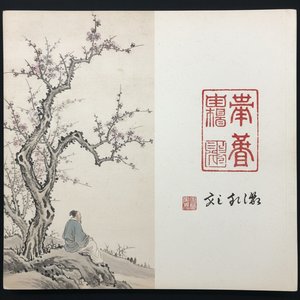
Xie Zhiliu: A Legacy of Ink Wash Painting & Modern Chinese Literati Tradition
Explore the legacy of Xie Zhiliu, a master of Chinese ink wash painting & prominent figure in modern art. Discover his techniques, influences, and contributions to literati tradition. A guide for discerning collectors.

The Power of the Male Figure: Iconic Masterpieces and the Art of Custom Portraiture
Discover the enduring power of the male figure through iconic masterpieces and bespoke oil reproductions. From Classical Realism to custom portraits, explore museum-quality artistry designed for the discerning collector seeking prestige, heritage, and timeless elegance.

The Enduring Allure of the Nude: A Historical & Artistic Exploration of the Human Form
Explore the captivating history of nude art! Discover iconic paintings & artists from classical to modern eras. Uncover symbolism, techniques & find museum-quality reproductions at OriginalUniqueArt.

The Eloquent Form: A Historical & Aesthetic Exploration of the Nude in Art
Explore the captivating history of the nude in art! From ancient Greece to modern masters, discover its evolving symbolism, techniques & enduring beauty. Expert insights for collectors and enthusiasts.


