Ver en contexto
 Enviar
 Compartir
 Detalles

 Descargar
 Similares
 Radiografía
 Presentación de diapositivas
Solitude


 Ver más
Giclée / Impresión de arte
Impresiones giclée o en lienzo de calidad de museo con producción rápida y opciones de acabado flexibles. ( Comprar pintura hecha a mano Comprar imagen)




P118B $10

P118H $10

P118W $10

P438Z $10

P508JH $12

P508YH $12

P805H $10

P805Z $10

P919BZ $10

P919G $10

P919XJ $10

P959ZH $10

P968JZ $12

W106C $8

W218G $10

W218JH $8

W218Y $10

W307PJ $10

W316G $10

W316PJ $8

W316Y $10

W398PJ $8

W4111J $10

W500HY $15

W500JH $15

W692G $12

W849H $8

W940BG $15

W953PJ $8




Elija entre nuestros tamaños predefinidos que respetan las proporciones originales de la obra.

Puede introducir sus propias dimensiones para adaptarse a un marco o espacio específico. Si el tamaño seleccionado no coincide con las proporciones de la imagen original, recortaremos la obra de arte o extenderemos la imagen con un borde con efecto espejo o de color sólido. Se enviará una maqueta digital para su aprobación antes de que comience la producción.
Tenga en cuenta que la vista previa en pantalla no refleja el recorte o la extensión real. Solo la maqueta mostrará con precisión la composición final.
Aunque existen tamaños personalizados, recomendamos seleccionar una dimensión de la lista predefinida para preservar las proporciones originales.
Envío a todo el mundo () en 2 semanas en lugar de las 4/5 semanas estándar. (24 agosto)

Envío exprés gratuito a todo el mundo

Lienzo de lino de alta calidad

Seguro de envío total

Garantía de reembolso de impuestos aduaneros

Garantía de fidelidad cromática exacta

Política de devolución de 60 días (solo por defectos)

Garantía de devolución del 100% del dinero

Descuento por cantidad
 La opción de vidrio solo está disponible en tamaños inferiores a 110 cm.

Solitude
Giclée / Impresión de arte
Dimensiones de la reproducción
-


Precio total final
$ 80
Descripción de la pieza
Winslow Homer’s “Solitude”: A Portrait of American Resilience
Winslow Homer's "Solitude," painted in 1889, isn’t merely a depiction of a deer; it’s a profound meditation on the human condition—a quiet exploration of isolation, observation, and the enduring spirit of America. The painting immediately draws the eye to its central subject: a magnificent white-tailed deer standing poised in the shallows of a river, its head raised with an almost contemplative gaze directed just beyond the frame. This subtle off-camera focus isn’t accidental; it invites the viewer into the deer's experience, prompting us to share in its silent scrutiny and fostering a sense of shared solitude.
Homer, born in Boston in 1836, forged an artistic identity distinct from the rigid traditions of European academies. His early career as a commercial illustrator for Harper’s Weekly instilled within him a remarkable ability to capture scenes with startling clarity and detail – skills honed through meticulous observation of everyday American life. This foundation profoundly shaped his approach to painting, initially in watercolor before he mastered oil on canvas. “Solitude” exemplifies this dedication to realism, rendered with a precision born from years spent documenting the nuances of the natural world and its inhabitants.
The Setting: A Canvas of New England Landscape
The backdrop of "Solitude" is quintessential New England—a landscape subtly imbued with both tranquility and a hint of melancholy. Trees, draped in autumnal hues, line the riverbanks, creating a sense of enclosure while simultaneously suggesting an expansive wilderness. Two small boats – one closer to the left, another further back on the right – punctuate the scene, hinting at human presence without disrupting the deer’s solitary state. This careful arrangement establishes a dialogue between the natural world and the occasional intrusion of humanity, reinforcing the painting's central theme of isolation.
Homer’s masterful use of light is particularly noteworthy. The dappled sunlight filtering through the trees casts an ethereal glow upon the water and the deer, imbuing the scene with a sense of quiet beauty. He employs broken brushstrokes to create a shimmering effect on the surface of the river, adding depth and realism to the composition. The color palette—earthy browns, greens, and blues—further enhances the painting’s evocative atmosphere, grounding the subject in its natural environment.
Symbolism and the American Spirit
“Solitude” resonates deeply with themes of introspection and resilience – qualities often associated with the American experience. The deer itself has long been a potent symbol in American art and literature, representing wilderness, freedom, and the untamed spirit. Its solitary stance speaks to a yearning for independence and self-reliance, mirroring the pioneering ethos that shaped early America.
Furthermore, the painting can be interpreted as an allegory of the human condition. The deer’s gaze suggests a contemplative awareness of its place in the world—a recognition of both beauty and loneliness. It's a poignant reminder of our own capacity for introspection and the importance of finding solace in solitude. The boats in the background, while present, are secondary, emphasizing the primacy of the animal’s experience and suggesting that true connection often lies within oneself.
A Legacy of Observation: Homer’s Enduring Impact
Winslow Homer's "Solitude" stands as a testament to his remarkable ability to capture not just the appearance of a scene, but also its underlying emotional resonance. It is a work that invites viewers to pause, reflect, and contemplate their own relationship with nature and the world around them. Reproductions of this iconic painting offer an exceptional opportunity to bring Homer’s profound insights into any interior space, fostering a sense of quiet contemplation and reminding us of the enduring power of observation and resilience – qualities deeply rooted in the American spirit.
Biografía del artista
**vida temprana y carrera**
Winslow Homer, una figura destacada del arte estadounidense del siglo XIX, nació el 3 de octubre de 1836 en Cambridge, Massachusetts. Su viaje artístico comenzó como ilustrador comercial, evolucionando finalmente hasta convertirse en un maestro pintor al óleo, celebrado por sus cautivadoras representaciones de paisajes y vistas marinas.**estilo artístico y obras notables**
Caracterizado por la solidez y textura de sus pinturas al óleo, el trabajo de Homer ofrece una perspectiva profunda sobre la vida y la naturaleza americana. Algunas de sus obras notables incluyen:- *Inocencia* (alrededor de 1890), un ejemplo conmovedor de su habilidad para capturar la esencia de las emociones humanas.
- *Bodegón con fruta* (1883), que muestra su atención al detalle y el uso del color.
- *El hombre de ciencia* (1895), un testimonio de su capacidad para representar la forma humana con profundidad y sutileza.
**contribución al arte americano**
Como artista auto-haciendo, la prolífica producción de Homer en pintura al óleo y acuarela ha dejado una huella indeleble en la historia del arte estadounidense. Su toque más ligero, particularmente en acuarela, captura hermosamente el ocio y el trabajo de sus frecuentes retiros de trabajo.**legado e influencia**
**La influencia de Winslow Homer en el realismo americano es innegable.** Su obra continúa inspirando a artistas y entusiastas del arte por igual, ofreciendo una ventana única al alma de América durante el siglo XIX. Como parte integral de la colección OriginalUniqueArt.com, sus obras ahora son accesibles a un público global.- Explore más de las obras de Winslow Homer en OriginalUniqueArt.com.
- Profundice en la historia del arte y su evolución en la historia de la pintura de Wikipedia.
- Descubra el impacto del realismo en el mundo del arte con la Galería Nacional Eslovaca (Eslovaquia), destacada en el sitio web de OriginalUniqueArt.
**conclusión**
El legado artístico de Winslow Homer sirve como una reflexión atemporal sobre la vida y la belleza de los paisajes americanos. A través de su obra, nos recuerda el poder perdurable del arte para capturar la esencia de la experiencia humana.- Visualice la extensa colección de Winslow Homer en OriginalUniqueArt.com.
- Aprenda más sobre la historia del arte y sus figuras influyentes en Wikipedia.
**referencias**
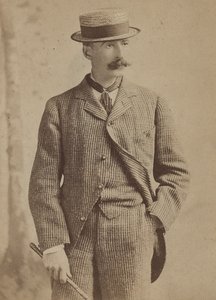
Winslow Homer
1836 - 1910 , Estados Unidos de América
Datos clave
- Artistas Influenciados: ['Posterior Realismo Americano']
- Artistas Que Influyeron:
- Barbizon School
- Gustave Courbet
- Jean-François Millet
- Fecha De Muerte: 1910
- Fecha De Nacimiento: 3 de octubre de 1836
- Lugar De Nacimiento: Boston, EE.UU.
- Movimiento Artístico: Realismo Americano
- Nacionalidad: Estadounidense
- Nombre Completo: Winslow Homer
- Obras Notables:
- Inocencia
- Bodegón con fruta
- El hombre de ciencia
- Breezing Up
- The Gulf Stream
Artículos relacionados
Winslow Homer: Las 25 Obras Maestras del Alma Americana | OriginalUniqueArt
Descubre las 25 obras maestras de Winslow Homer, el pintor estadounidense del realismo y los paisajes marinos. Explora su técnica en óleo y acuarela, e inspírate para decorar tu hogar con arte atemporal. Reproducciones de alta calidad en OriginalUniqueArt.com.

Realismo Estadounidense: 10 Obras Maestras que Cambiaron el Arte y la Decoración
Descubre 10 obras maestras del Realismo Estadounidense: Winslow Homer, Edward Hopper y más. Explora la historia, técnica y emoción de estos icónicos cuadros. Encuentra reproducciones de arte de museo en OriginalUniqueArt.com.
Romantic Realism's Finest: 10 Masterpieces for Your Home | OriginalUniqueArt
Explore 10 defining masterpieces of Romantic Realism! Discover Courbet, Millet & Daumier's powerful paintings—capturing emotion and social realities. Find museum-quality reproductions for your home at OriginalUniqueArt.com.
Fluid Reflections: Exploring Water's Symbolism in Art History – From Myth to Impressionism
Explore the rich symbolism of water in art history – from ancient myths to Impressionism's fleeting beauty. Discover masterpieces & find your perfect serene artwork with OriginalUniqueArt.com.
Las 25 Obras Maestras del MFA Boston: Arte, Historia y Decoración Exclusiva
Descubre las 25 obras maestras del Museo de Bellas Artes Boston. Explora la historia, el arte y las emociones detrás de Sargent, Monet, Degas y más. Reproducciones de alta calidad para tu hogar en OriginalUniqueArt.com.