Ver en contexto
 Enviar
 Compartir
 Detalles
 Guía
Guía

 Descargar
 Similares
 Radiografía
 Presentación de diapositivas
 Preguntas y respuestas
 Estadísticas
El Caza y el Rastreador


 Ver más
Giclée / Impresión de arte
Impresiones giclée o en lienzo de calidad de museo con producción rápida y opciones de acabado flexibles. ( Comprar pintura hecha a mano Cambiar a imagen digital)




P118B €10

P118H €10

P118W €10

P438Z €10

P508JH €12

P508YH €12

P805H €10

P805Z €10

P919BZ €10

P919G €10

P919XJ €10

P959ZH €10

P968JZ €12

W106C €8

W218G €10

W218JH €8

W218Y €10

W307PJ €10

W316G €10

W316PJ €8

W316Y €10

W398PJ €8

W4111J €10

W500HY €15

W500JH €15

W692G €12

W849H €8

W940BG €15

W953PJ €8




Elija entre nuestros tamaños predefinidos que respetan las proporciones originales de la obra.

Introduzca el ancho y el alto que necesite para adaptarse a su marco o pared. Una impresión solo puede recortarse, nunca hacerse más grande que la imagen original, por lo que un tamaño con una forma distinta perderá parte de la obra. Le enviaremos una maqueta digital para su aprobación antes de realizar cualquier impresión. La imagen que se muestra en esta página no refleja el recorte real; solo la maqueta lo hace.
Envío a todo el mundo () en 2 semanas en lugar de las 4/5 semanas estándar. (5 noviembre)

Envío exprés gratuito a todo el mundo

Lienzo de lino de alta calidad

Seguro de envío total

Garantía de reembolso de aranceles aduaneros

Garantía de fidelidad cromática exacta

Política de devolución de 100 días (solo por defectos)

Garantía de devolución del 100% del dinero

Descuento por cantidad
 La opción de vidrio solo está disponible en tamaños inferiores a 110 cm.

El Caza y el Rastreador
Giclée / Impresión de arte
Dimensiones de la reproducción
-


Precio total final
€ 72
Hound and Hunter: A Moment of Tranquility Captured by Winslow Homer
“Hound and Hunter” by Winslow Homer is a remarkable oil on canvas painting created in 1892, currently residing at the National Gallery of Art in Washington, United States. This artwork transcends mere depiction; it embodies the spirit of American Realism—a movement characterized by meticulous observation and an unflinching portrayal of everyday life—as championed by Homer himself.Composition and Technique: Precision Meets Serenity
The painting’s visual impact stems from its deceptively simple composition. Homer skillfully captures a quiet tableau: a man rowing a boat on calm waters, accompanied by his loyal dog. The background is rendered in muted tones of grey and brown, emphasizing the stillness of the lake and fostering an atmosphere of profound peace. Notice the careful placement of two birds—one perched atop a tree branch to the left, another gliding towards the horizon on the right—adding subtle visual interest without disrupting the dominant mood. Homer’s technique is masterful; he employs thick impasto brushstrokes, particularly evident in the boat and its oars, conveying texture and solidity while simultaneously capturing the fluidity of movement. This deliberate layering of paint contributes significantly to the painting's dramatic effect.Historical Context: The Columbian Exposition and Homer’s Vision
“Hound and Hunter” emerged during a pivotal moment in American art history—the 1893 World’s Columbian Exposition held in Chicago. This grand event served as a showcase for modern American painting, attracting artists from across the nation and establishing a new aesthetic standard. Homer's work aligns perfectly with the prevailing artistic sensibilities of the time, reflecting a fascination with rural landscapes and the dignity of labor—themes that resonated deeply with the public. The artist himself acknowledged the challenge posed by portraying the drowning deer, demonstrating his commitment to honest representation and intellectual rigor.Symbolism: Connection Between Man and Nature
Beyond its technical brilliance, “Hound and Hunter” carries profound symbolic weight. Homer’s depiction of man and dog represents a harmonious relationship between humanity and the natural world—a core value within American Romanticism. The boat symbolizes exploration and perseverance, mirroring Homer's own adventurous spirit as an artist who constantly sought inspiration in diverse environments. Furthermore, the calm waters serve as a metaphor for tranquility and contemplation, inviting viewers to pause and appreciate the beauty of simple moments.Emotional Impact: A Legacy of Quiet Beauty
“Hound and Hunter” continues to captivate audiences today with its understated elegance and evocative emotional resonance. Homer’s ability to convey profound feelings through subtle visual cues—the gaze of the dog, the posture of the man—remains remarkably powerful. It's a painting that speaks to our innate desire for connection with nature and reminds us of the importance of appreciating beauty in its purest form. A timeless masterpiece, “Hound and Hunter” stands as testament to Winslow Homer’s enduring legacy as one of America’s greatest painters.Preguntas y respuestas
¿Qué lugar ocupa "El Caza y el Rastreador" dentro de la obra de Winslow Homer?
Dentro de la producción de Winslow Homer, "El Caza y el Rastreador" se enmarca en el estilo American Realism, junto a los temas de romantic landscape tradition, american identity vision, human connection nature, symbolic narrative depth, iconic homer masterpiece.
¿Qué edad tenía Winslow Homer cuando creó "El Caza y el Rastreador"?
Winslow Homer tenía 56 años cuando creó "El Caza y el Rastreador" en 1892. La edad se calcula a partir del año de nacimiento del artista, 1836.
¿Es "El Caza y el Rastreador" representativo de la temática habitual de Winslow Homer?
Los temas recurrentes de Winslow Homer incluyen romantic landscape tradition, american identity vision, human connection nature, symbolic narrative depth, iconic homer masterpiece; "El Caza y el Rastreador" se centra en marine painting, landscape scene, dog companion, boating tranquility, american art, realistic detail, rural life.
Biografía del artista
**vida temprana y carrera**
Winslow Homer, una figura destacada del arte estadounidense del siglo XIX, nació el 3 de octubre de 1836 en Cambridge, Massachusetts. Su viaje artístico comenzó como ilustrador comercial, evolucionando finalmente hasta convertirse en un maestro pintor al óleo, celebrado por sus cautivadoras representaciones de paisajes y vistas marinas.**estilo artístico y obras notables**
Caracterizado por la solidez y textura de sus pinturas al óleo, el trabajo de Homer ofrece una perspectiva profunda sobre la vida y la naturaleza americana. Algunas de sus obras notables incluyen:- *Inocencia* (alrededor de 1890), un ejemplo conmovedor de su habilidad para capturar la esencia de las emociones humanas.
- *Bodegón con fruta* (1883), que muestra su atención al detalle y el uso del color.
- *El hombre de ciencia* (1895), un testimonio de su capacidad para representar la forma humana con profundidad y sutileza.
**contribución al arte americano**
Como artista auto-haciendo, la prolífica producción de Homer en pintura al óleo y acuarela ha dejado una huella indeleble en la historia del arte estadounidense. Su toque más ligero, particularmente en acuarela, captura hermosamente el ocio y el trabajo de sus frecuentes retiros de trabajo.**legado e influencia**
**La influencia de Winslow Homer en el realismo americano es innegable.** Su obra continúa inspirando a artistas y entusiastas del arte por igual, ofreciendo una ventana única al alma de América durante el siglo XIX. Como parte integral de la colección OriginalUniqueArt.com, sus obras ahora son accesibles a un público global.- Explore más de las obras de Winslow Homer en OriginalUniqueArt.com.
- Profundice en la historia del arte y su evolución en la historia de la pintura de Wikipedia.
- Descubra el impacto del realismo en el mundo del arte con la Galería Nacional Eslovaca (Eslovaquia), destacada en el sitio web de OriginalUniqueArt.
**conclusión**
El legado artístico de Winslow Homer sirve como una reflexión atemporal sobre la vida y la belleza de los paisajes americanos. A través de su obra, nos recuerda el poder perdurable del arte para capturar la esencia de la experiencia humana.- Visualice la extensa colección de Winslow Homer en OriginalUniqueArt.com.
- Aprenda más sobre la historia del arte y sus figuras influyentes en Wikipedia.
**referencias**
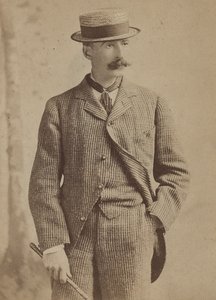
Winslow Homer
1836 - 1910 , Estados Unidos de América
Datos clave
- Artistas Influenciados: ['Posterior Realismo Americano']
- Artistas Que Influyeron:
- Barbizon School
- Gustave Courbet
- Jean-François Millet
- Fecha De Muerte: 1910
- Fecha De Nacimiento: 3 de octubre de 1836
- Lugar De Nacimiento: Boston, EE.UU.
- Movimiento Artístico: Realismo Americano
- Nacionalidad: Estadounidense
- Nombre Completo: Winslow Homer
- Obras Notables:
- Inocencia
- Bodegón con fruta
- El hombre de ciencia
- Breezing Up
- The Gulf Stream
Artículos relacionados
Winslow Homer: Las 25 Obras Maestras del Alma Americana | OriginalUniqueArt
Descubre las 25 obras maestras de Winslow Homer, el pintor estadounidense del realismo y los paisajes marinos. Explora su técnica en óleo y acuarela, e inspírate para decorar tu hogar con arte atemporal. Reproducciones de alta calidad en OriginalUniqueArt.com.

The Unvarnished Truth: A Cultural Journey Through the Soul of American Realism
Explore the profound beauty of American Realism. From the Ashcan School's urban grit to intimate portraits, discover how artists captured the authentic soul of a nation through unvarnished truth and masterful observation.

Realismo Estadounidense: 10 Obras Maestras que Cambiaron el Arte y la Decoración
Descubre 10 obras maestras del Realismo Estadounidense: Winslow Homer, Edward Hopper y más. Explora la historia, técnica y emoción de estos icónicos cuadros. Encuentra reproducciones de arte de museo en OriginalUniqueArt.com.

American Realism: Capturing the Soul of Everyday Life through the Lens of Art History
Explore the profound beauty of American Realism. From Winslow Homer’s rural landscapes to the dignity of everyday life, discover how master artists captured the soul of a nation through evocative oil paintings and timeless fine art techniques.
Realismo Americano: Comentario Social y Representación Artística en la Pintura del Siglo XX
Explora el Realismo Americano del siglo XX: un análisis profundo de sus artistas clave (Vertis Hayes, William Aiken Walker), técnicas y su poderoso comentario social. Descubre cómo este movimiento plasmó la identidad estadounidense.