

 Vista previa
 Compartir
 Compartir
 Ver detalles
 Guía
Guía

 Descargar
 Ver artículos similares
 Radiografía
 Presentación de diapositivas
 Estadísticas
The Wounded Hound


 Leer más
Reproducción al óleo hecha a mano
Óleo sobre lienzo pintado a mano en el tamaño y marco de su elección, realizado por encargo por nuestros artistas. ( Cambiar a formato impreso Ver versión en imagen digital)




P118B €10

P118H €10

P118W €10

P438Z €10

P508JH €12

P508YH €12

P805H €10

P805Z €10

P919BZ €10

P919G €10

P919XJ €10

P959ZH €10

P968JZ €12

W106C €8

W218G €10

W218JH €8

W218Y €10

W307PJ €10

W316G €10

W316PJ €8

W316Y €10

W398PJ €8

W4111J €10

W500HY €15

W500JH €15

W692G €12

W849H €8

W940BG €15

W953PJ €8




Elija entre nuestros tamaños predefinidos que respetan las proporciones originales de la obra.

Escriba el ancho y el alto que necesite para adaptarse a su marco o a su pared. Al ser una obra pintada a mano, para un tamaño con una forma distinta, el artista puede pintar un poco más alrededor de la imagen o recortar un poco; usted elige. Le enviaremos una maqueta digital para su aprobación antes de comenzar la pintura. La imagen que se muestra en esta página no refleja el resultado real; solo la maqueta lo hace.
Tras realizar el pedido, el equipo de OriginalUniqueArt.com enviará un correo electrónico al cliente para solicitar instrucciones y proporcionarle una vista previa del boceto.
Envío a todo el mundo () en 3-4 semanas en lugar de las 5 semanas estándar. (24 octubre). Sin comprometer la calidad.

Envío exprés gratuito a todo el mundo

Lienzo de lino de alta calidad

Seguro de envío completo

Garantía de reembolso de impuestos aduaneros

Garantía de fidelidad cromática exacta

Política de devolución de 100 días (solo por defectos)

Garantía de devolución del 100% del dinero

Oferta por volumen
 La opción de vidrio solo está disponible en tamaños inferiores a 110 cm.

The Wounded Hound
Técnica de reproducción
Tamaño de la reproducción
-


Precio total
€ 263
William Tylee Ranney: A Pioneer of American Genre
William Tylee Ranney (1813-1857) stands as an unexpectedly significant figure in the annals of 19th-century American art. He wasn’t nurtured by the gilded halls of European academies or propelled forward by established artistic lineages; rather, his artistic journey unfolded organically within the burgeoning spirit of a nation aggressively expanding westward—a landscape profoundly shaped by frontier encounters and evolving perceptions of the American experience. His formative years, spent relocating to Fayetteville, North Carolina, at age thirteen to reside with an uncle, witnessed him apprenticed as a tinsmith – a practical trade that instilled in Ranney a grounded sensibility and meticulous attention to detail, qualities which would subsequently become hallmarks of his distinctive artistic style. This period of craftsmanship honed observational skills and fostered a deep understanding of textures and forms inherent in everyday life—a foundation upon which he built his celebrated oeuvre. The irresistible pull of artistry ultimately superseded pragmatic considerations, leading him to Brooklyn in 183- Early Life & Apprenticeship: Ranney’s formative years instilled in him a keen eye for observation and craftsmanship honed through an apprenticeship as a tinsmith. This grounding experience profoundly influenced his artistic sensibilities.
- Brooklyn Residence: Moving to Brooklyn solidified Ranney's commitment to art, establishing him within a vibrant artistic milieu characterized by experimentation and innovation.
The Wounded Hound: A Portrait of Resilience “The Wounded Hound” exemplifies Ranney’s masterful command of American genre painting—a movement that sought to depict scenes from daily life with unflinching realism, capturing the essence of the era's social and psychological landscape. Executed in 1850, this oil on canvas portrays a man and woman seated upon a horse, accompanied by several dogs – notably one exhibiting visible signs of injury or demise. The composition is deliberately austere, prioritizing clarity of form and tonal harmony over elaborate ornamentation. Ranney’s technique—characterized by smooth brushstrokes and subtle gradations of color—creates an atmosphere of contemplative solemnity, reflecting the profound impact of wartime suffering on the human spirit.
Symbolism & Narrative Depth Beyond its surface depiction, “The Wounded Hound” resonates with symbolic significance rooted in the broader context of mid-century American culture. The horse represents strength and nobility—a cornerstone of the frontier ethos—while the dogs embody loyalty and companionship. However, the presence of a deceased canine serves as a poignant reminder of mortality and vulnerability—themes prevalent throughout Ranney’s artistic explorations. The inclusion of birds adds an element of serenity to the scene, juxtaposed against the palpable sorrow conveyed by the central figures.
Historical Context & Influence Ranney's work emerged during a period of intense national introspection following the Civil War—a time marked by profound social upheaval and a yearning for artistic expression that mirrored the anxieties and aspirations of the era. His stylistic innovations—particularly his embrace of tonal realism—anticipated developments in Impressionism, establishing him as a precursor to this transformative movement. “The Wounded Hound” stands as testament to Ranney’s ability to distill complex emotions into visual form—a feat achieved through meticulous observation and unwavering dedication to artistic integrity.
Virginia Museum of Fine Arts Acquisition “The Wounded Hound” resides within the Virginia Museum of Fine Arts collection, where it continues to inspire viewers with its evocative portrayal of human resilience amidst adversity. Its accession number is 2002.538 and was created in 1850. The painting’s provenance underscores its enduring artistic merit—a legacy solidified by scholarly research and meticulous documentation.
Preguntas y respuestas
¿Está disponible una descarga para "The Wounded Hound"?
Puede descargar "The Wounded Hound" de William Tylee Ranney desde la página de Descargar de la obra, como descarga de una imagen digital en alta resolución.
¿Es "The Wounded Hound" de William Tylee Ranney de dominio público?
La información sobre los derechos de autor de "The Wounded Hound" de William Tylee Ranney: la obra es en el dominio público: sus derechos de autor han expirado. Esto determina si las reproducciones de la imagen pueden realizarse libremente.
¿Se encuentra "The Wounded Hound" en el país de su creador?
Sí, la obra se encuentra en el país de origen del artista. "The Wounded Hound" se encuentra en Estados Unidos de América, mientras que William Tylee Ranney nació en Estados Unidos de América.
Biografía del artista
Vida Temprana y Experiencia en Texas
- Nacido: 9 de mayo de 1813, Middletown, Connecticut
- Padres: William Ranney (capitán de barco) y Clarissa Ranney
- Se mudó a Fayetteville, Carolina del Norte en 1826 para vivir con su tío, el comerciante William Nott.
- Realizó un aprendizaje como hojalatero durante este período, desarrollando probablemente sus primeras habilidades de dibujo.
- En 1833, se trasladó a Brooklyn, Nueva York, para estudiar pintura.
- Se ofreció voluntario en el Ejército de Texas en marzo de 1836 tras la caída del Álamo, sirviendo bajo el mando del General Sam Houston.
- Sirvió durante nueve meses, experimentando eventos que influyeron profundamente en su posterior temática artística. Se dice que guardó a Santa Anna después de la Batalla de San Jacinto.
- Regresó a Brooklyn en 1837 y retomó sus actividades artísticas.
Desarrollo Artístico y Estilo
- Pintor al óleo autodidacta, sin formación formal.
- Exhibió públicamente sus primeras pinturas en 1838 en la National Academy of Design de Nueva York.
- Recibió un premio por su pintura de género, "Una Escena de Cortejo".
- Viajó entre Carolina del Norte y Nueva York de 1839 a 1842.
- Abrió un estudio en la ciudad de Nueva York en 1843, anunciándose inicialmente como retratista.
- Desarrolló un estilo distintivo caracterizado por representaciones realistas de la vida cotidiana, escenas deportivas, temas históricos y paisajes occidentales.
- Su obra a menudo presentaba representaciones detalladas de figuras y entornos, reflejando su meticulosa observación y atención al detalle.
Temas Principales y Obras Destacadas
- Vida Occidental: Espíritu pionero, cazadores, tramperos, exploradores antes del asentamiento europeo-americano generalizado (por ejemplo, "Entierro en la Pradera", "Partido de Exploración").
- Escenas Deportivas: La caza de patos y los temas ecuestres fueron prominentes, notables por sus figuras escultóricas ("On the Wing" - su obra más popular con múltiples versiones).
- Temas Históricos: Representó escenas de la Revolución Americana, centrándose en las experiencias de personas comunes en lugar de batallas grandiosas.
- Pintura de Género: La vida cotidiana y las escenas domésticas se representaban con frecuencia.
- Obras Notables: "On the Wing", "Prairie Burial", "Scouting Party", "Caza de Caballos Salvajes", "El Último Disparo del Trampero", "El Vendedor de Cerillas", "Viejo Balde de Roble".
Vida Posterior, Legado y Significado
- Se casó con Margaret Agnes O’Sullivan en 1847.
- Se estableció permanentemente en West Hoboken, Nueva Jersey (ahora Union City) en 1853, estableciendo un estudio con vistas al horizonte de Manhattan.
- Contribuyente regular y miembro asociado de la National Academy of Design y la American Art Union.
- Considerado el primer importante pintor de género en trabajar en Nueva Jersey.
- Uno de los pintores estadounidenses más importantes anteriores a la Guerra Civil.
- Sus contemporáneos reconocieron su importancia, con uno afirmando que "un espécimen de Ranney es indispensable dondequiera que exista una colección de arte americano".
- Falleció el 18 de noviembre de 1857, probablemente a causa de la tuberculosis.
- La obra de Ranney ayudó a popularizar las representaciones del Oeste americano y contribuyó al desarrollo de la pintura de género en los Estados Unidos. Su enfoque en la vida cotidiana y las personas comunes hizo que su arte fuera accesible y relacionable para un público amplio.
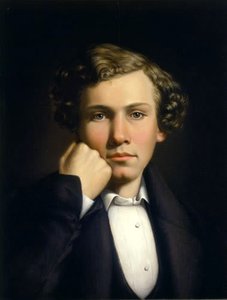
William Tylee Ranney
1813 - 1857 , Estados Unidos de América
Datos clave
- Fecha De Fallecimiento: 18 de noviembre de 1857
- Fecha De Nacimiento: 9 de mayo de 1813
- Lugar De Nacimiento: Middletown, EE. UU.
- Movimiento Artístico: Pintura de género
- Nacionalidad: Estadounidense
- Nombre Completo: William Tylee Ranney
- Obras Notables:
- On the Wing
- Prairie Burial
- Scouting Party
- Trapper's Last Shot
Artículos relacionados
William Aiken Walker: A Southern Luminist's Vision of River Life & Antebellum Society
Explore the evocative paintings of William Aiken Walker, a master of Southern Luminism. Discover his poignant depictions of post-Civil War life, African American culture & antebellum landscapes. Learn about this important artist's legacy.

William Owen: A Poetic Vision of War & Landscape in British Modernism
Explore the poignant war poetry of Wilfred Owen, a key figure in British Modernism. Discover his innovative style, themes of loss & camaraderie, and lasting impact on 20th-century literature. Analysis & historical context included.

Frederick William Jackson: Capturing the American West Through Luminist Vision & Narrative Detail
Explore the captivating works of Frederick William Jackson, a pioneer of Western realism & Luminist painting. Discover his atmospheric landscapes, depictions of Native American life, and lasting legacy. Learn more at OriginalUniqueArt.

Grant Wood & American Regionalism: Identity, Myth & the Rural Landscape
Explore the world of Grant Wood & American Regionalism with OriginalUniqueArt. Discover the symbolism behind 'American Gothic', recurring themes, and the movement's lasting impact on art history. High-quality reproductions available.
William Henry Hope: Illuminating American Genre Painting Through Luminosity & Narrative
Explore the captivating landscapes & genre scenes of William Henry Hope, a pivotal Canadian artist. Discover his mastery of light, realism, and narrative in this insightful guide. Learn about collecting his work & its place in art history.