

 Vista previa
 Compartir
 Compartir
 Ver detalles
 Guía
Guía

 Descargar
 Ver artículos similares
 Radiografía
 Presentación de diapositivas
 Estadísticas
Marion Crossing the Peedee
 Oil On Canvas
- WallArt
- American Genre Painting
 1850
1850- 19th Century
 188.0 x 127.0 cm
 Amon Carter Museo de Arte Estadounidense
 Leer más
Reproducción al óleo hecha a mano
Óleo sobre lienzo pintado a mano en el tamaño y marco de su elección, realizado por encargo por nuestros artistas. ( Cambiar a formato impreso Ver versión en imagen digital)




P118B €10

P118H €10

P118W €10

P438Z €10

P508JH €12

P508YH €12

P805H €10

P805Z €10

P919BZ €10

P919G €10

P919XJ €10

P959ZH €10

P968JZ €12

W106C €8

W218G €10

W218JH €8

W218Y €10

W307PJ €10

W316G €10

W316PJ €8

W316Y €10

W398PJ €8

W4111J €10

W500HY €15

W500JH €15

W692G €12

W849H €8

W940BG €15

W953PJ €8




Elija entre nuestros tamaños predefinidos que respetan las proporciones originales de la obra.

Escriba el ancho y el alto que necesite para adaptarse a su marco o a su pared. Al ser una obra pintada a mano, para un tamaño con una forma distinta, el artista puede pintar un poco más alrededor de la imagen o recortar un poco; usted elige. Le enviaremos una maqueta digital para su aprobación antes de comenzar la pintura. La imagen que se muestra en esta página no refleja el resultado real; solo la maqueta lo hace.
Tras realizar el pedido, el equipo de OriginalUniqueArt.com enviará un correo electrónico al cliente para solicitar instrucciones y proporcionarle una vista previa del boceto.
Envío a todo el mundo () en 3-4 semanas en lugar de las 5 semanas estándar. (24 octubre). Sin comprometer la calidad.

Envío exprés gratuito a todo el mundo

Lienzo de lino de alta calidad

Seguro de envío completo

Garantía de reembolso de impuestos aduaneros

Garantía de fidelidad cromática exacta

Política de devolución de 100 días (solo por defectos)

Garantía de devolución del 100% del dinero

Oferta por volumen
 La opción de vidrio solo está disponible en tamaños inferiores a 110 cm.

Marion Crossing the Peedee
Técnica de reproducción
Tamaño de la reproducción
-


Precio total
€ 417
A Journey Through Time: The Spirit of the American Frontier
In the sweeping expanse of William Tylee Ranney’s Marion Crossing the Peedee, we are not merely observers of a landscape, but witnesses to a pivotal moment in the American narrative. Painted in 1850, this masterful oil on canvas captures a scene of profound movement and historical weight. The composition centers on a bustling river crossing, where figures, horses, and even a faithful dog navigate the unpredictable waters of the Peedee River. There is an undeniable sense of drama unfolding within the frame; the way the boat is laden with life suggests a community in transition, embodying the very essence of westward expansion and the rugged resilience required to tame a new frontier. For the collector, this piece offers more than just a visual feast; it provides a window into the soul of 19th-century America, evoking themes of exploration, interdependence, and the shared struggle of pioneer life.
The technical prowess displayed in this work is nothing short of extraordinary, making it a centerpiece worthy of any sophisticated interior. Ranney employs a traditional 19th-century realist style, utilizing layered oil techniques to build a world of immense depth and tactile reality. One can almost feel the rough texture of the riverbank’s bark and the heavy folds of the travelers' clothing through his deliberate, visible brushstrokes. The artist masterfully balances organic shapes with a dynamic use of diagonal lines—the angle of the boat and the curve of the shoreline guide the eye through the chaos of the crossing, creating a sense of rhythmic motion. This interplay of light and shadow, particularly under the diffused glow of an overcast sky, lends a cinematic quality to the scene, casting soft highlights on the water and deep, mysterious shadows within the dense foliage.
A Symphony of Earthy Tones and Atmospheric Depth
Color plays a vital role in establishing the emotional temperature of this masterpiece. Ranney avoids garish hues, opting instead for a sophisticated palette dominated by earthy browns, deep forest greens, and muted grays. These tones ground the painting in realism, suggesting the grit and dust of travel. However, these somber shades are punctuated by subtle glints of white and blue in the sky and water, providing much-needed breath and light to the composition. This careful color management creates an atmospheric perspective where distant elements soften into a hazy, ethereal background, pulling the viewer deeper into the vastness of the American landscape.
For interior designers and art enthusiasts alike, Marion Crossing the Peedee serves as a profound emotional anchor. The painting does not just depict a historical event; it evokes a feeling of uncertainty and courage. The dramatic sky, heavy with the promise of change, mirrors the internal state of those navigating the river—a metaphor for the unpredictability of life itself. Whether placed in a grand library, a traditional study, or as a conversation starter in a contemporary living space, this reproduction brings with it an aura of historical prestige and a timeless, adventurous spirit that continues to captivate the modern imagination.
Preguntas y respuestas
¿Dónde puedo encontrar una guía de "Marion Crossing the Peedee"?
Una página de Guía está disponible para "Marion Crossing the Peedee" de William Tylee Ranney: una ficha imprimible sobre la obra, diseñada para estudiantes y uso en el aula.
¿Dónde se puede ver "Marion Crossing the Peedee" de William Tylee Ranney actualmente?
Puede ver la obra original "Marion Crossing the Peedee" en el Amon Carter Museo de Arte Estadounidense, Fort Worth, Estados Unidos de América.
¿Para qué se recomienda una reproducción de "Marion Crossing the Peedee" de William Tylee Ranney?
El uso recomendado de una impresión de "Marion Crossing the Peedee" es Focal.
Biografía del artista
Vida Temprana y Experiencia en Texas
- Nacido: 9 de mayo de 1813, Middletown, Connecticut
- Padres: William Ranney (capitán de barco) y Clarissa Ranney
- Se mudó a Fayetteville, Carolina del Norte en 1826 para vivir con su tío, el comerciante William Nott.
- Realizó un aprendizaje como hojalatero durante este período, desarrollando probablemente sus primeras habilidades de dibujo.
- En 1833, se trasladó a Brooklyn, Nueva York, para estudiar pintura.
- Se ofreció voluntario en el Ejército de Texas en marzo de 1836 tras la caída del Álamo, sirviendo bajo el mando del General Sam Houston.
- Sirvió durante nueve meses, experimentando eventos que influyeron profundamente en su posterior temática artística. Se dice que guardó a Santa Anna después de la Batalla de San Jacinto.
- Regresó a Brooklyn en 1837 y retomó sus actividades artísticas.
Desarrollo Artístico y Estilo
- Pintor al óleo autodidacta, sin formación formal.
- Exhibió públicamente sus primeras pinturas en 1838 en la National Academy of Design de Nueva York.
- Recibió un premio por su pintura de género, "Una Escena de Cortejo".
- Viajó entre Carolina del Norte y Nueva York de 1839 a 1842.
- Abrió un estudio en la ciudad de Nueva York en 1843, anunciándose inicialmente como retratista.
- Desarrolló un estilo distintivo caracterizado por representaciones realistas de la vida cotidiana, escenas deportivas, temas históricos y paisajes occidentales.
- Su obra a menudo presentaba representaciones detalladas de figuras y entornos, reflejando su meticulosa observación y atención al detalle.
Temas Principales y Obras Destacadas
- Vida Occidental: Espíritu pionero, cazadores, tramperos, exploradores antes del asentamiento europeo-americano generalizado (por ejemplo, "Entierro en la Pradera", "Partido de Exploración").
- Escenas Deportivas: La caza de patos y los temas ecuestres fueron prominentes, notables por sus figuras escultóricas ("On the Wing" - su obra más popular con múltiples versiones).
- Temas Históricos: Representó escenas de la Revolución Americana, centrándose en las experiencias de personas comunes en lugar de batallas grandiosas.
- Pintura de Género: La vida cotidiana y las escenas domésticas se representaban con frecuencia.
- Obras Notables: "On the Wing", "Prairie Burial", "Scouting Party", "Caza de Caballos Salvajes", "El Último Disparo del Trampero", "El Vendedor de Cerillas", "Viejo Balde de Roble".
Vida Posterior, Legado y Significado
- Se casó con Margaret Agnes O’Sullivan en 1847.
- Se estableció permanentemente en West Hoboken, Nueva Jersey (ahora Union City) en 1853, estableciendo un estudio con vistas al horizonte de Manhattan.
- Contribuyente regular y miembro asociado de la National Academy of Design y la American Art Union.
- Considerado el primer importante pintor de género en trabajar en Nueva Jersey.
- Uno de los pintores estadounidenses más importantes anteriores a la Guerra Civil.
- Sus contemporáneos reconocieron su importancia, con uno afirmando que "un espécimen de Ranney es indispensable dondequiera que exista una colección de arte americano".
- Falleció el 18 de noviembre de 1857, probablemente a causa de la tuberculosis.
- La obra de Ranney ayudó a popularizar las representaciones del Oeste americano y contribuyó al desarrollo de la pintura de género en los Estados Unidos. Su enfoque en la vida cotidiana y las personas comunes hizo que su arte fuera accesible y relacionable para un público amplio.
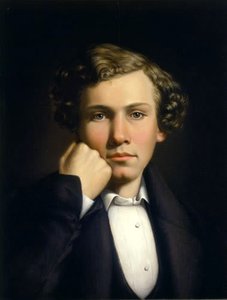
William Tylee Ranney
1813 - 1857 , Estados Unidos de América
Datos clave
- Fecha De Fallecimiento: 18 de noviembre de 1857
- Fecha De Nacimiento: 9 de mayo de 1813
- Lugar De Nacimiento: Middletown, EE. UU.
- Movimiento Artístico: Pintura de género
- Nacionalidad: Estadounidense
- Nombre Completo: William Tylee Ranney
- Obras Notables:
- On the Wing
- Prairie Burial
- Scouting Party
- Trapper's Last Shot
Artículos relacionados
Tonos Terrosos y Resonancia Emocional: Explorando la Atmósfera de Obras con Raíces en la Naturaleza
Descubre el poder evocador de los tonos terrosos en la historia del arte. Explora obras maestras de Monet, Rafael y Sargent. Encuentra reproducciones de alta calidad para crear ambientes cálidos y llenos de resonancia emocional.
Los 10 Cuadros Más Famosos en Tonos Arena: Historia y Decoración con Arte
Descubre los 10 cuadros más emblemáticos en tonos arena, desde Monet a Van Gogh. Explora la historia del arte impresionista y encuentra inspiración para decorar con obras maestras atemporales. Reproducciones de museo en .
Los 10 Cuadros Más Famosos en Tonos 'Hongo': Arte, Historia y Decoración
Descubre los 10 cuadros más emblemáticos en tonos tierra y ocres. Explora la historia, artistas como Monet y Van Gogh, e inspírate para decorar con arte atemporal. Reproducciones de museo en .

El Siglo XIX en el Arte: 10 Obras Maestras para Decorar con Historia y Estilo
Descubre 10 obras maestras del siglo XIX: Monet, Goya y más. Explora el impresionismo, realismo y romanticismo que definieron una época. Encuentra reproducciones de arte exclusivas para decorar tu hogar con estilo en OriginalUniqueArt.com.
Las 10 Obras Maestras del Arte Dominadas por Tonos de Arcilla |
Descubre las 10 pinturas más famosas dominadas por tonos de arcilla y tierra. Explora la historia, artistas como Rembrandt y Monet, e inspírate para decorar con arte clásico. Reproducciones de museo en .