

 Vista previa
 Compartir
 Compartir
 Ver detalles
 Guía
Guía

 Descargar
 Ver artículos similares
 Radiografía
 Presentación de diapositivas
 Estadísticas
Scene from The Tempest


 Leer más
Reproducción al óleo hecha a mano
Óleo sobre lienzo pintado a mano en el tamaño y marco de su elección, realizado por encargo por nuestros artistas. ( Cambiar a formato impreso Ver versión en imagen digital)




P118B €10

P118H €10

P118W €10

P438Z €10

P508JH €12

P508YH €12

P805H €10

P805Z €10

P919BZ €10

P919G €10

P919XJ €10

P959ZH €10

P968JZ €12

W106C €8

W218G €10

W218JH €8

W218Y €10

W307PJ €10

W316G €10

W316PJ €8

W316Y €10

W398PJ €8

W4111J €10

W500HY €15

W500JH €15

W692G €12

W849H €8

W940BG €15

W953PJ €8




Elija entre nuestros tamaños predefinidos que respetan las proporciones originales de la obra.

Escriba el ancho y el alto que necesite para adaptarse a su marco o a su pared. Al ser una obra pintada a mano, para un tamaño con una forma distinta, el artista puede pintar un poco más alrededor de la imagen o recortar un poco; usted elige. Le enviaremos una maqueta digital para su aprobación antes de comenzar la pintura. La imagen que se muestra en esta página no refleja el resultado real; solo la maqueta lo hace.
Tras realizar el pedido, el equipo de OriginalUniqueArt.com enviará un correo electrónico al cliente para solicitar instrucciones y proporcionarle una vista previa del boceto.
Envío a todo el mundo () en 3-4 semanas en lugar de las 5 semanas estándar. (23 octubre). Sin comprometer la calidad.

Envío exprés gratuito a todo el mundo

Lienzo de lino de alta calidad

Seguro de envío completo

Garantía de reembolso de impuestos aduaneros

Garantía de fidelidad cromática exacta

Política de devolución de 100 días (solo por defectos)

Garantía de devolución del 100% del dinero

Oferta por volumen
 La opción de vidrio solo está disponible en tamaños inferiores a 110 cm.

Scene from The Tempest
Técnica de reproducción
Tamaño de la reproducción
-


Precio total
€ 264
A Celestial Encounter in the Earth's Depths
In the profound stillness of a subterranean world, William Trost Richards captures a moment of transcendent revelation in his 1850 masterpiece, Scene from The Tempest. This is not merely a landscape, but a dramatic biblical tableau that invites the viewer into a cavernous expanse of textured rock and ancient shadows. At the heart of this geological cathedral, a regal king, draped in heavy green robes and crowned in gold, stands in silent communion with a young woman clad in ethereal white. The composition is masterfully vertically oriented, pulling the eye upward through the dark, imposing walls of the cavern toward a radiant orb of light that pierces the gloom. This celestial glow serves as more than just a light source; it acts as a divine messenger, illuminating the central figures and casting long, dramatic shadows that breathe life into the rugged stone surroundings.
The painting is a breathtaking example of the Romantic tradition, yet it is infused with the scientific precision that would later earn Richards the moniker of the "Painter-Botanist." While many of his contemporaries in the Hudson River School sought to dramatize nature through theatrical exaggeration, Richards utilized chiaroscuro—the intense interplay between light and dark—to heighten the emotional weight of the narrative without sacrificing anatomical or geological accuracy. The visible brushstrokes add a palpable sense of texture to the scene, allowing the viewer to feel the roughness of the damp cave walls and the soft, flowing grace of the woman's garments. This meticulous technique creates an immersive experience, making the cavern feel like a tangible, breathing space.
Symbolism and the Spirit of Discovery
Beyond its striking visual impact, Scene from The Tempest is rich with symbolic resonance, making it a profound choice for collectors who value art with intellectual depth. The dark, labyrinthine cavern serves as a metaphor for the uncertainties and challenges of the human condition, representing the unknown depths of the soul or the hardships of life. Conversely, the radiant orb of light descending from above symbolizes hope, divine guidance, and the clarity of truth. The interaction between the king and the woman—a moment of revelation or blessing—suggests a bridge between the earthly and the divine, an idea that would have deeply resonated with the mid-19th-century audience.
For the interior designer or the discerning art lover, this piece offers a commanding presence. Its palette of deep blues, forest greens, earthy browns, and brilliant golds provides a sophisticated anchor for a room, capable of evoking both mystery and grandeur. Whether placed in a quiet study to inspire contemplation or as a focal point in a grand living space, this reproduction of Richards's work brings with it the weight of history and the beauty of scientific observation. It is an invitation to look closer, to find the light within the darkness, and to appreciate the meticulous craftsmanship of an artist who saw the divine in every geological detail.
Preguntas y respuestas
¿Qué atmósfera aportaría "Scene from The Tempest" a un espacio?
La atmósfera Romantic de "Scene from The Tempest" de William Trost Richards combina perfectamente con su espacio recomendado: un Living Room.
¿Cómo se encuentran el movimiento y la época en "Scene from The Tempest" de William Trost Richards?
En "Scene from The Tempest" de William Trost Richards, el movimiento Romanticism se encuentra con la era Siglo XIX.
¿Qué emoción transmite "Scene from The Tempest" de William Trost Richards?
El tono emocional registrado para "Scene from The Tempest" de William Trost Richards es Dramatic. Este resume el sentimiento que expresa la obra.
Biografía del artista
Vida Temprana y Educación
William Trost Richards, un destacado artista paisajista estadounidense, nació el 14 de noviembre de 1833 en Filadelfia, Pensilvania. Entre 1850 y 1855, estudió a tiempo parcial con el artista alemán Paul Weber mientras trabajaba como diseñador e ilustrador de trabajos metálicos ornamentales.Carrera Artística
Su primera exhibición pública fue parte de una exposición en New Bedford, Massachusetts, organizada por el artista Albert Bierstadt en 1858. En 1862, fue elegido miembro honorario de la Academia Nacional de Diseño y académico en 1871. Richards pasó los veranos en la costa este durante seis años después de su regreso de un viaje de un año a Europa en 1866.Obras Notables y Estilo
Richards produjo muchas vistas acuareladas aclamadas de las Montañas Blancas, varias de las cuales ahora se encuentran en la colección del Museo Metropolitano de Arte. Sus obras se exhiben hoy en muchos museos estadounidenses importantes, incluyendo la Galería Nacional, el Museo de Arte de Saint Louis y el Museo Smithsonian de Arte Americano. El estilo de Richards se caracteriza por representaciones fácticas meticulosas, rechazando el enfoque romantizado de otros pintores del Río Hudson. Sus vistas de las Montañas Blancas son casi fotográficas en su realismo.Legado
La hija de William Trost Richards, Anna Richards Brewster, también se convirtió en pintora. Las obras de Richards se pueden encontrar en varios museos, incluyendo los mencionados anteriormente y el Museo Thyssen-Bornemisza y el Crystal Bridges Museum of American Art.- Vea la pintura de Richards "Lago Averno" en OriginalUniqueArt.com
- Explore más obras de William Trost Richards en OriginalUniqueArt.com
- Lea más sobre William Trost Richards en Wikipedia
- 14 de noviembre de 1833: Nacido en Filadelfia, Pensilvania
- 1862: Elegido miembro honorario de la Academia Nacional de Diseño
- 1871: Elegido académico
- 8 de noviembre de 1905: Falleció en Newport, Rhode Island
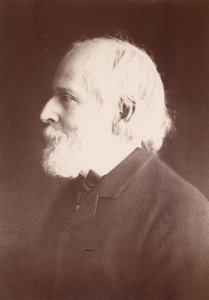
William Trost Richards
1833 - 1905 , Estados Unidos de América
Datos clave
- Artistas Influyentes:
- Paul Weber
- Albert Bierstadt
- Fecha De Fallecimiento: 8 de noviembre de 1905
- Fecha De Nacimiento: 14 de noviembre de 1833
- Lugar De Nacimiento: Filadelfia, EE. UU.
- Movimiento Artístico: Hudson River School
- Nacionalidad: Estadounidense
- Nombre Completo: William Trost Richards
- Obras Notables: ['Lago Avernus']
Artículos relacionados

Romantic Realism: The Masterful Fusion of Raw Emotion and Hyper-Realistic Detail for the Modern Collector
Discover the captivating world of Romantic Realism. Explore how master artists blend raw emotion with hyper-realistic detail to create timeless, museum-quality oil paintings perfect for sophisticated modern collectors and luxury home interiors.
William Trost Richards: Luminism, Spirituality & the American Landscape Tradition
Explore the captivating landscapes of William Trost Richards, a master of Luminism associated with both the Hudson River School & American Pre-Raphaelite movements. Discover his spiritual connection to nature and lasting influence on American art.

El Óleo sobre Lienzo: Historia, Técnica y la Persistencia de un Medio Artístico Atemporal
Descubre la historia y técnica del óleo sobre lienzo. Explora reproducciones fieles hechas a mano, personalización artística y consejos de expertos con OriginalUniqueArt. ¡Colecciona arte con confianza!

The Enduring Legacy of Oil on Canvas: Technique, History & Aesthetic Impact
Explore the rich history & techniques of oil painting – from Renaissance masters to Impressionism. Discover pigments, layering methods, and why this timeless medium endures. Expert insights for artists & art enthusiasts.

10 Obras Maestras del Realismo Romántico que Debes Conocer
Explora la emoción y el detalle del Realismo Romántico. Un viaje por 10 obras maestras que capturan la esencia humana con técnica y alma. Encuentra inspiración y reproducciones de calidad museo para tu hogar en OriginalUniqueArt.com. ¡Descubre toda la colección online!
