

 Vista previa
 Compartir
 Compartir
 Ver detalles
 Guía
Guía

 Descargar
 Ver artículos similares
 Radiografía
 Presentación de diapositivas
 Estadísticas
Scene from Macbeth


 Leer más
Giclée / Impresión de arte
Impresiones giclée o en lienzo de calidad de museo con producción rápida y opciones de acabado flexibles. ( Encargar reproducción pintada a mano Ver versión en imagen digital)




P118B €10

P118H €10

P118W €10

P438Z €10

P508JH €12

P508YH €12

P805H €10

P805Z €10

P919BZ €10

P919G €10

P919XJ €10

P959ZH €10

P968JZ €12

W106C €8

W218G €10

W218JH €8

W218Y €10

W307PJ €10

W316G €10

W316PJ €8

W316Y €10

W398PJ €8

W4111J €10

W500HY €15

W500JH €15

W692G €12

W849H €8

W940BG €15

W953PJ €8




Elija entre nuestros tamaños predefinidos que respetan las proporciones originales de la obra.

Introduzca el ancho y el alto que necesite para adaptarse a su marco o pared. Una impresión solo puede recortarse, nunca hacerse más grande que la imagen original, por lo que un tamaño con una forma distinta perderá parte de la obra. Le enviaremos una maqueta digital para su aprobación antes de realizar cualquier impresión. La imagen que se muestra en esta página no refleja el recorte real; solo la maqueta lo hace.
Envío a todo el mundo () en 2 semanas en lugar de las 4/5 semanas estándar. (23 octubre)

Envío exprés gratuito a todo el mundo

Lienzo de lino de alta calidad

Seguro de envío completo

Garantía de reembolso de impuestos aduaneros

Garantía de fidelidad cromática exacta

Política de devolución de 100 días (solo por defectos)

Garantía de devolución del 100% del dinero

Oferta por volumen
 La opción de vidrio solo está disponible en tamaños inferiores a 110 cm.

Scene from Macbeth
Giclée / Impresión de arte
Tamaño de la reproducción
-


Precio total
€ 70
A Vision Steeped in Light and Shadow
In the vast tapestry of American landscape painting, few threads are as delicately woven as those spun by William Trost Richards. While many of his contemporaries in the Hudson River School sought to capture the overwhelming grandeur and theatrical scale of the untamed wilderness, Richards turned his gaze toward a more intimate, almost scientific pursuit of truth. His masterpiece, “Scene from Macbeth,” painted circa 1850, serves as a breathtaking testament to this philosophy. It is a work that transcends mere topography, offering instead a window into a world where the boundaries between the natural landscape and human psychological drama dissolve into a singular, luminous experience.
The painting presents a hauntingly beautiful tableau, centered around three figures poised against the backdrop of a moonlit mountain range. The composition is masterfully balanced; on the left, a figure draped in a striking red robe provides a warm, visceral anchor to the scene, contrasting sharply with the two figures clad in somber black. As they gaze upward toward the heavens, the viewer is drawn into their shared moment of awe or trepidation. This arrangement does more than just depict characters; it invites us to participate in the tension of the narrative, feeling the weight of the atmosphere and the silent anticipation that hangs in the nocturnal air.
The Alchemy of Luminism and Romanticism
Technically, “Scene from Macbeth” is a triumph of light manipulation. Richards utilized a sophisticated blend of watercolor and oil to achieve what can only be described as an almost photographic clarity, yet one infused with the ethereal qualities of Luminism. Through subtle gradations of tone and color, he captures the way moonlight filters through a heavy, cloud-filled sky, casting soft shadows and creating a sense of atmospheric haze. This technique allows the mountains to recede into a dreamlike distance, while the foreground figures retain a tactile, grounded presence.
The stylistic essence of the piece lies in its duality. While Richards’ precision reflects his training under the German artist Paul Weber and his dedication to observational realism, the subject matter is deeply rooted in Romanticism. By choosing a scene inspired by Shakespeare’s most turbulent tragedy, Richards taps into the era's fascination with mythology, fate, and the psychological depths of the human soul. The dramatic sky, filled with swirling clouds that catch the lunar glow, acts as an emotional mirror to the internal conflicts inherent in the Macbeth legend, making the landscape itself a character in the drama.
An Enduring Presence for the Discerning Collector
For the art lover or the interior designer, “Scene from Macbeth” offers much more than visual beauty; it provides an emotional atmosphere. The painting possesses a profound spiritual resonance, making it an ideal centerpiece for spaces designed for contemplation and quiet sophistication. Its palette—a sophisticated interplay of deep nocturnal blues, silvery moonlight, and the singular, piercing crimson of the robe—allows it to integrate seamlessly into both classical and contemporary environments.
Owning a high-quality reproduction of this work means bringing a piece of American art history into one's personal sanctuary. It is a conversation starter that speaks of meticulous craftsmanship, literary depth, and an unwavering appreciation for the natural world. Whether placed in a library, a study, or a grand living hall, Richards’ vision continues to evoke a sense of wonder, reminding us that even in the darkest shadows, there is a light that reveals the profound mysteries of existence.
Preguntas y respuestas
¿Muestra "Scene from Macbeth" contrastes marcados entre luces y sombras?
El contraste entre luces y sombras de "Scene from Macbeth" se registra como Bold. El contraste describe la intensidad con la que difieren las zonas claras y oscuras.
¿Qué temas aparecen en "Scene from Macbeth" de William Trost Richards?
Los temas de "Scene from Macbeth" son people, figures, moonlit sky, mountains, clouds, red robe, black clothing.
¿Dónde puedo comprar una lámina de "Scene from Macbeth" de William Trost Richards?
Puede solicitar una impresión de "Scene from Macbeth" de William Trost Richards directamente en su página de Impresión de bellas artes: una impresión de bellas artes sobre lienzo de algodón o papel de lienzo de archivo.
Biografía del artista
Vida Temprana y Educación
William Trost Richards, un destacado artista paisajista estadounidense, nació el 14 de noviembre de 1833 en Filadelfia, Pensilvania. Entre 1850 y 1855, estudió a tiempo parcial con el artista alemán Paul Weber mientras trabajaba como diseñador e ilustrador de trabajos metálicos ornamentales.Carrera Artística
Su primera exhibición pública fue parte de una exposición en New Bedford, Massachusetts, organizada por el artista Albert Bierstadt en 1858. En 1862, fue elegido miembro honorario de la Academia Nacional de Diseño y académico en 1871. Richards pasó los veranos en la costa este durante seis años después de su regreso de un viaje de un año a Europa en 1866.Obras Notables y Estilo
Richards produjo muchas vistas acuareladas aclamadas de las Montañas Blancas, varias de las cuales ahora se encuentran en la colección del Museo Metropolitano de Arte. Sus obras se exhiben hoy en muchos museos estadounidenses importantes, incluyendo la Galería Nacional, el Museo de Arte de Saint Louis y el Museo Smithsonian de Arte Americano. El estilo de Richards se caracteriza por representaciones fácticas meticulosas, rechazando el enfoque romantizado de otros pintores del Río Hudson. Sus vistas de las Montañas Blancas son casi fotográficas en su realismo.Legado
La hija de William Trost Richards, Anna Richards Brewster, también se convirtió en pintora. Las obras de Richards se pueden encontrar en varios museos, incluyendo los mencionados anteriormente y el Museo Thyssen-Bornemisza y el Crystal Bridges Museum of American Art.- Vea la pintura de Richards "Lago Averno" en OriginalUniqueArt.com
- Explore más obras de William Trost Richards en OriginalUniqueArt.com
- Lea más sobre William Trost Richards en Wikipedia
- 14 de noviembre de 1833: Nacido en Filadelfia, Pensilvania
- 1862: Elegido miembro honorario de la Academia Nacional de Diseño
- 1871: Elegido académico
- 8 de noviembre de 1905: Falleció en Newport, Rhode Island
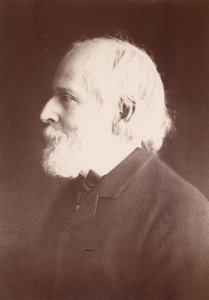
William Trost Richards
1833 - 1905 , Estados Unidos de América
Datos clave
- Artistas Influyentes:
- Paul Weber
- Albert Bierstadt
- Fecha De Fallecimiento: 8 de noviembre de 1905
- Fecha De Nacimiento: 14 de noviembre de 1833
- Lugar De Nacimiento: Filadelfia, EE. UU.
- Movimiento Artístico: Hudson River School
- Nacionalidad: Estadounidense
- Nombre Completo: William Trost Richards
- Obras Notables: ['Lago Avernus']
Artículos relacionados

Las 25 obras maestras de William Blake: Un viaje por su mundo visionario
Explora las 25 obras maestras de William Blake y su arte visionario. Descubre reproducciones de museo en OriginalUniqueArt.com.

Las 25 mejores obras de William Blake: Visiones del alma romántica
Explora las 25 obras maestras de William Blake y su arte visionario. Descubre estas joyas del Romanticismo en OriginalUniqueArt.com.

Las 25 obras maestras de William Blake: El genio visionario del Romanticismo
Explora las 25 obras maestras de William Blake y su arte visionario. Encuentra reproducciones de lujo en OriginalUniqueArt.com.

25 Masterpieces by William Blake: The Visionary Genius of the Romantic Age
Step into the visionary world of William Blake. Explore 25 iconic Romantic masterpieces, from mystical illuminated prints to profound mythological works. Find museum-quality art reproductions and decor inspiration for your collection. Discover all masterpieces on OriginalUniqueArt.com.
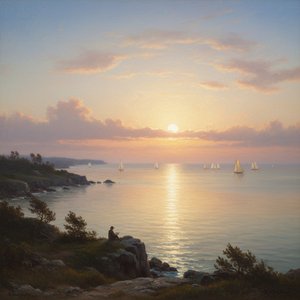
William Trost Richards: Luminism, Spirituality & the American Landscape Tradition
Explore the captivating landscapes of William Trost Richards, a master of Luminism associated with both the Hudson River School & American Pre-Raphaelite movements. Discover his spiritual connection to nature and lasting influence on American art.
