

 Vista previa
 Compartir
 Compartir
 Ver detalles

 Descargar
 Ver artículos similares
 Radiografía
 Presentación de diapositivas
 Estadísticas
Near Land's End, Cornwall
 Oil On Canvas
- WallArt
- Academic Realism
 1879
1879 59.0 x 112.0 cm
 Museo Metropolitano de Arte
 Leer más
Giclée / Impresión de arte
Impresiones giclée o en lienzo de calidad de museo con producción rápida y opciones de acabado flexibles. ( Encargar reproducción pintada a mano Ver versión en imagen digital)




P118B $10

P118H $10

P118W $10

P438Z $10

P508JH $12

P508YH $12

P805H $10

P805Z $10

P919BZ $10

P919G $10

P919XJ $10

P959ZH $10

P968JZ $12

W106C $8

W218G $10

W218JH $8

W218Y $10

W307PJ $10

W316G $10

W316PJ $8

W316Y $10

W398PJ $8

W4111J $10

W500HY $15

W500JH $15

W692G $12

W849H $8

W940BG $15

W953PJ $8




Elija entre nuestros tamaños predefinidos que respetan las proporciones originales de la obra.

Puede introducir sus propias dimensiones para adaptarse a un marco o espacio específico. Si el tamaño seleccionado no coincide con las proporciones de la imagen original, recortaremos la obra de arte o extenderemos la imagen con un borde con efecto espejo o de color sólido. Se enviará una maqueta digital para su aprobación antes de que comience la producción.
Tenga en cuenta que la vista previa en pantalla no refleja el recorte o la extensión real. Solo la maqueta mostrará con precisión la composición final.
Aunque existen tamaños personalizados, recomendamos seleccionar una dimensión de la lista predefinida para preservar las proporciones originales.
Envío a todo el mundo () en 2 semanas en lugar de las 4/5 semanas estándar. (16 septiembre)

Envío exprés gratuito a todo el mundo

Lienzo de lino de alta calidad

Seguro de envío completo

Garantía de reembolso de impuestos aduaneros

Garantía de fidelidad cromática exacta

Política de devolución de 100 días (solo por defectos)

Garantía de devolución del 100% del dinero

Oferta por volumen
 La opción de vidrio solo está disponible en tamaños inferiores a 110 cm.

Near Land's End, Cornwall
Giclée / Impresión de arte
Tamaño de la reproducción
-


Precio total
$ 80
A Dramatic Embrace: William Trost Richards’ “Near Land’s End, Cornwall”
William Trost Richards' "Near Land’s End, Cornwall," painted in 1879, isn’t merely a depiction of a coastal scene; it’s an immersive experience. This oil on canvas transports the viewer to the rugged, windswept shores of southwestern England, capturing a moment of raw power and elemental beauty. Richards, a key figure bridging the realism of the Hudson River School with the meticulous detail of Pre-Raphaelite painting, eschewed romanticized vistas in favor of an almost scientific approach to rendering nature’s forces. He sought not to embellish, but to faithfully record the drama unfolding before him – a testament to his dedication to observation and craft.
The composition immediately commands attention with its horizontal format, drawing the eye across the vast expanse of turbulent water. The low horizon line amplifies the scale of the ocean, emphasizing its dominance over the land. Scattered boats in the distance offer a crucial element of human presence, providing a sense of scale and hinting at the lives intertwined with this formidable landscape. A solitary figure on the beach, positioned centrally within the frame, acts as an anchor for the viewer, inviting contemplation about humanity’s relationship to nature's grandeur – a small, vulnerable form confronting the immense power of the sea.
The Language of Light and Color
Dominating the palette is a carefully orchestrated symphony of cool tones: deep blues, steely greys, and shimmering whites. These colors perfectly mirror the overcast sky, creating an atmosphere of brooding intensity. Subtle variations within these hues – hints of warm browns and yellows in the distant landmass – provide a delicate contrast, preventing the scene from becoming overwhelmingly somber. Richards masterfully employs atmospheric perspective; objects receding into the distance appear paler and less distinct, skillfully conveying depth and spatial illusion. The visible brushstrokes, particularly evident in the rendering of the waves and clouds, contribute to a palpable sense of texture and movement.
The artist’s use of dynamic lines is crucial to the painting's impact. The crests of the waves are rendered with energetic, almost frenetic strokes, conveying an undeniable sense of motion and power. These lines aren’t simply decorative; they actively shape the composition, guiding the viewer’s eye through the scene. The shapes themselves – the irregular forms of the waves, clouds, and coastline – feel entirely organic, reflecting Richards' commitment to naturalism rather than idealized representation.
A Study in Detail and Technique
"Near Land’s End, Cornwall" exemplifies Richards’ meticulous technique. He employed short, choppy brushstrokes to capture the frothy texture of the waves, while softer marks were used to depict the billowing clouds. This deliberate layering of paint creates a remarkable sense of depth and volume, allowing the viewer to almost feel the spray of the ocean and the chill of the wind. The painting’s academic realism is further underscored by its evident adherence to 19th-century landscape conventions – a testament to Richards' rigorous training and unwavering dedication to his craft.
Symbolism and Emotional Resonance
Beyond its technical brilliance, “Near Land’s End, Cornwall” evokes a profound sense of awe and perhaps a touch of melancholy. The stormy atmosphere, the relentless crashing waves, and the solitary figure on the beach all contribute to this emotional resonance. It's a painting that speaks to the untamed beauty and inherent power of the Cornish coast – a reminder of humanity’s smallness in the face of nature’s majesty. The scene invites reflection on themes of resilience, vulnerability, and the enduring allure of the wild.
Biografía del artista
Vida Temprana y Educación
William Trost Richards, un destacado artista paisajista estadounidense, nació el 14 de noviembre de 1833 en Filadelfia, Pensilvania. Entre 1850 y 1855, estudió a tiempo parcial con el artista alemán Paul Weber mientras trabajaba como diseñador e ilustrador de trabajos metálicos ornamentales.Carrera Artística
Su primera exhibición pública fue parte de una exposición en New Bedford, Massachusetts, organizada por el artista Albert Bierstadt en 1858. En 1862, fue elegido miembro honorario de la Academia Nacional de Diseño y académico en 1871. Richards pasó los veranos en la costa este durante seis años después de su regreso de un viaje de un año a Europa en 1866.Obras Notables y Estilo
Richards produjo muchas vistas acuareladas aclamadas de las Montañas Blancas, varias de las cuales ahora se encuentran en la colección del Museo Metropolitano de Arte. Sus obras se exhiben hoy en muchos museos estadounidenses importantes, incluyendo la Galería Nacional, el Museo de Arte de Saint Louis y el Museo Smithsonian de Arte Americano. El estilo de Richards se caracteriza por representaciones fácticas meticulosas, rechazando el enfoque romantizado de otros pintores del Río Hudson. Sus vistas de las Montañas Blancas son casi fotográficas en su realismo.Legado
La hija de William Trost Richards, Anna Richards Brewster, también se convirtió en pintora. Las obras de Richards se pueden encontrar en varios museos, incluyendo los mencionados anteriormente y el Museo Thyssen-Bornemisza y el Crystal Bridges Museum of American Art.- Vea la pintura de Richards "Lago Averno" en OriginalUniqueArt.com
- Explore más obras de William Trost Richards en OriginalUniqueArt.com
- Lea más sobre William Trost Richards en Wikipedia
- 14 de noviembre de 1833: Nacido en Filadelfia, Pensilvania
- 1862: Elegido miembro honorario de la Academia Nacional de Diseño
- 1871: Elegido académico
- 8 de noviembre de 1905: Falleció en Newport, Rhode Island
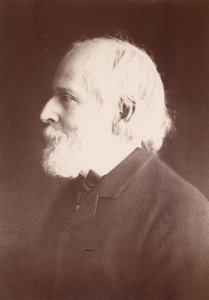
William Trost Richards
1833 - 1905 , Estados Unidos de América
Datos clave
- Artistas Influyentes:
- Paul Weber
- Albert Bierstadt
- Fecha De Fallecimiento: 8 de noviembre de 1905
- Fecha De Nacimiento: 14 de noviembre de 1833
- Lugar De Nacimiento: Filadelfia, EE. UU.
- Movimiento Artístico: Hudson River School
- Nacionalidad: Estadounidense
- Nombre Completo: William Trost Richards
- Obras Notables: ['Lago Avernus']
Artículos relacionados
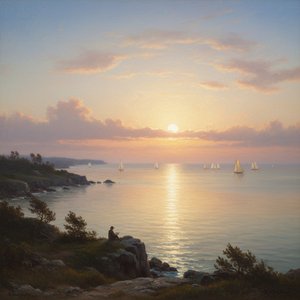
William Trost Richards: Luminism, Spirituality & the American Landscape Tradition
Explore the captivating landscapes of William Trost Richards, a master of Luminism associated with both the Hudson River School & American Pre-Raphaelite movements. Discover his spiritual connection to nature and lasting influence on American art.

Paisajes Románticos: 10 Obras Maestras que Definieron un Movimiento Artístico
Descubre los 10 paisajes románticos más influyentes de artistas como Caspar David Friedrich y Turner. Explora la belleza, el simbolismo y las técnicas del movimiento romántico. Reproducciones de arte exclusivas en OriginalUniqueArt.com.

Evocations of Place: A Historical Journey Through Landscape Art
Explore the rich history of landscape art with OriginalUniqueArt. Discover renowned artists, movements like Impressionism & Romanticism, and expert guidance for collecting timeless pieces. Find your perfect serene escape today!
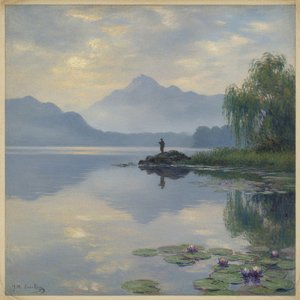
Capturing Stillness: A Curated Exploration of the Most Iconic Lake Landscapes in Art History
Journey through art history's most serene lake landscapes. From Romantic vistas to light-drenched Impressionist waters, discover the stories behind these iconic masterpieces and find museum-quality, hand-painted oil reproductions for your private collection.

Evocations of Place: A Historical Journey Through Landscape Art
Explore the rich history of landscape art with OriginalUniqueArt. Discover renowned artists, movements like Impressionism & tonalism, and expert guidance for collecting timeless pieces. Find your perfect serene escape today!
