Ver en contexto
 Enviar
 Compartir
 Detalles
 Guía
Guía

 Descargar
 Similares
 Radiografía
 Presentación de diapositivas
 Q&A
Q&A Estadísticas
Forest Interior in Autumn


 Ver más
Giclée / Impresión de arte
Impresiones giclée o en lienzo de calidad de museo con producción rápida y opciones de acabado flexibles. ( Comprar pintura hecha a mano Cambiar a imagen digital)




P118B €10

P118H €10

P118W €10

P438Z €10

P508JH €12

P508YH €12

P805H €10

P805Z €10

P919BZ €10

P919G €10

P919XJ €10

P959ZH €10

P968JZ €12

W106C €8

W218G €10

W218JH €8

W218Y €10

W307PJ €10

W316G €10

W316PJ €8

W316Y €10

W398PJ €8

W4111J €10

W500HY €15

W500JH €15

W692G €12

W849H €8

W940BG €15

W953PJ €8




Elija entre nuestros tamaños predefinidos que respetan las proporciones originales de la obra.

Introduzca el ancho y el alto que necesite para adaptarse a su marco o pared. Una impresión solo puede recortarse, nunca hacerse más grande que la imagen original, por lo que un tamaño con una forma distinta perderá parte de la obra. Le enviaremos una maqueta digital para su aprobación antes de realizar cualquier impresión. La imagen que se muestra en esta página no refleja el recorte real; solo la maqueta lo hace.
Envío a todo el mundo () en 2 semanas en lugar de las 4/5 semanas estándar. (31 octubre)

Envío exprés gratuito a todo el mundo

Lienzo de lino de alta calidad

Seguro de envío total

Garantía de reembolso de aranceles aduaneros

Garantía de fidelidad cromática exacta

Política de devolución de 100 días (solo por defectos)

Garantía de devolución del 100% del dinero

Descuento por cantidad
 La opción de vidrio solo está disponible en tamaños inferiores a 110 cm.

Forest Interior in Autumn
Giclée / Impresión de arte
Dimensiones de la reproducción
-


Precio total final
€ 71
A Tapestry of Autumnal Splendor
To gaze upon William Trost Richards' Forest Interior in Autumn is to step through a veil into a moment suspended between seasons—a breathtaking immersion into the heart of nature’s magnificent transition. This painting does more than merely depict woods; it captures the very breath of fall itself. The air seems thick with the scent of decaying leaves and damp earth, while the light filters through the canopy in shafts of liquid gold. Richards masterfully orchestrates a scene where every element, from the vibrant crimson foliage to the gentle murmur of the stream, contributes to an overwhelming sense of serene grandeur.
The Artistry of Observation: Technique and Detail
Richards’ approach to landscape painting is marked by a commitment to meticulous observation, a hallmark that distinguishes his work within the tradition of American landscape art. While the emotional resonance of the scene speaks to Romantic sensibilities, the execution reveals an almost scientific fidelity to detail. Observe how the artist renders the texture of bark on the foreground trees, or the delicate scattering of fallen leaves upon the forest floor. The composition itself is a study in balance; the central stream acts as a visual artery, drawing the eye deeper into the painting's depths, while the varied placement of trees creates a natural rhythm that guides the viewer’s gaze effortlessly from the immediate foreground to the hazy distance.
Historical Echoes and Emotional Resonance
Created in 1865, this work emerges from a period when American artists were deeply engaged with defining a national identity through its unparalleled natural beauty. For Richards, nature was not just a backdrop; it was a subject worthy of profound study. The inclusion of the solitary figure near the center adds a poignant human element. This person is not merely placed within the scene; they are absorbed by it, serving as an emotional anchor for the viewer—a silent witness to the cyclical beauty that both comforts and reminds us of time's passage. Autumn, in art, has always symbolized change, maturity, and beautiful decay.
Bringing the Forest Home: For Collectors and Designers
For those who seek to infuse a space with the timeless poetry of the wilderness, a reproduction of this piece offers an unparalleled opportunity. The warm palette—the deep reds, burnt oranges, and rich umbers—possesses an inherent warmth that can transform any room, whether it be a formal drawing-room or a cozy study nook. Its enduring appeal lies in its perfect marriage of vibrant color and profound tranquility. Owning this artwork is not just acquiring a painting; it is curating a permanent portal to the quiet majesty of an autumn day in the American woods.
Preguntas y respuestas
¿Es William Trost Richards, autor de "Forest Interior in Autumn", conocido por otros nombres?
Otros nombres registrados para William Trost Richards, creador de "Forest Interior in Autumn", incluyen W. Trost Richards.
¿Qué lugar ocupa "Forest Interior in Autumn" dentro de la obra de William Trost Richards?
Dentro de la producción de William Trost Richards, "Forest Interior in Autumn" se enmarca en el estilo Hudson River School, junto a los temas de hudson river school influence, nature's beauty captured vividly, meticulous detail focus, american landscape tradition.
¿Existe una ficha informativa sobre "Forest Interior in Autumn" de William Trost Richards para estudiantes?
La página Ficha informativa de "Forest Interior in Autumn" de William Trost Richards ofrece una ficha informativa imprimible de dos páginas: la obra con su ficha técnica, una línea de tiempo por décadas que la sitúa en la vida del artista, otras obras del mismo autor, la paleta de colores extraída de la pieza y citas listas para copiar en cuatro estilos diferentes.
Biografía del artista
Vida Temprana y Educación
William Trost Richards, un destacado artista paisajista estadounidense, nació el 14 de noviembre de 1833 en Filadelfia, Pensilvania. Entre 1850 y 1855, estudió a tiempo parcial con el artista alemán Paul Weber mientras trabajaba como diseñador e ilustrador de trabajos metálicos ornamentales.Carrera Artística
Su primera exhibición pública fue parte de una exposición en New Bedford, Massachusetts, organizada por el artista Albert Bierstadt en 1858. En 1862, fue elegido miembro honorario de la Academia Nacional de Diseño y académico en 1871. Richards pasó los veranos en la costa este durante seis años después de su regreso de un viaje de un año a Europa en 1866.Obras Notables y Estilo
Richards produjo muchas vistas acuareladas aclamadas de las Montañas Blancas, varias de las cuales ahora se encuentran en la colección del Museo Metropolitano de Arte. Sus obras se exhiben hoy en muchos museos estadounidenses importantes, incluyendo la Galería Nacional, el Museo de Arte de Saint Louis y el Museo Smithsonian de Arte Americano. El estilo de Richards se caracteriza por representaciones fácticas meticulosas, rechazando el enfoque romantizado de otros pintores del Río Hudson. Sus vistas de las Montañas Blancas son casi fotográficas en su realismo.Legado
La hija de William Trost Richards, Anna Richards Brewster, también se convirtió en pintora. Las obras de Richards se pueden encontrar en varios museos, incluyendo los mencionados anteriormente y el Museo Thyssen-Bornemisza y el Crystal Bridges Museum of American Art.- Vea la pintura de Richards "Lago Averno" en OriginalUniqueArt.com
- Explore más obras de William Trost Richards en OriginalUniqueArt.com
- Lea más sobre William Trost Richards en Wikipedia
- 14 de noviembre de 1833: Nacido en Filadelfia, Pensilvania
- 1862: Elegido miembro honorario de la Academia Nacional de Diseño
- 1871: Elegido académico
- 8 de noviembre de 1905: Falleció en Newport, Rhode Island
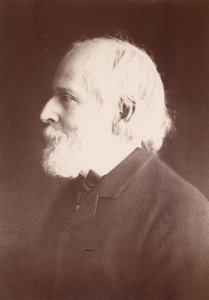
William Trost Richards
1833 - 1905 , Estados Unidos de América
Datos clave
- Artistas Influyentes:
- Paul Weber
- Albert Bierstadt
- Fecha De Fallecimiento: 8 de noviembre de 1905
- Fecha De Nacimiento: 14 de noviembre de 1833
- Lugar De Nacimiento: Filadelfia, EE. UU.
- Movimiento Artístico: Hudson River School
- Nacionalidad: Estadounidense
- Nombre Completo: William Trost Richards
- Obras Notables: ['Lago Avernus']
Artículos relacionados
Capturing the American Spirit: A Journey Through Iconic Landscapes and the Legacy of the Hudson River School
Explore the profound beauty of American art history. From the Hudson River School to iconic landscapes, discover a curated journey through the masterpieces that defined a nation's spirit and the enduring legacy of American Romanticism.

Wild & Untamed: The High-Impact Energy of American Romanticism and the Hudson River School
Experience the raw power of American Romanticism. Explore the high-impact energy of the Hudson River School through premium, hand-painted oil reproductions that capture the sublime beauty and untamed spirit of the American wilderness for discerning collectors.
Los 10 Maestros del Río Hudson: Obras que Definieron un Movimiento Artístico
Descubre los 10 lienzos más emblemáticos de la Escuela del Río Hudson. Explora las obras maestras de Thomas Cole, Church y Bierstadt que capturan la belleza del paisaje americano. Encuentra reproducciones de arte exclusivas en OriginalUniqueArt.com.
Epic Landscapes & Wild Nature: The Power of the Hudson River School's Sublime Artistry
Explore the breathtaking power of the Hudson River School. Journey through epic American landscapes, from Thomas Cole's sublime vistas to Luminist light, and discover how these timeless masterpieces continue to inspire modern collectors and art lovers worldwide.

El Sublime Paisaje Americano: Explorando el Movimiento de la Escuela del Río Hudson
Descubre la Escuela del Río Hudson: un movimiento artístico clave en la historia de la pintura estadounidense. Explora su estética romántica, sus artistas más destacados y el concepto del sublime paisaje americano.