

 Vista previa
 Compartir
 Compartir
 Ver detalles
 Guía
Guía

 Descargar
 Ver artículos similares
 Radiografía
 Presentación de diapositivas
 Estadísticas
Forest Interior


 Leer más
Giclée / Impresión de arte
Impresiones giclée o en lienzo de calidad de museo con producción rápida y opciones de acabado flexibles. ( Encargar reproducción pintada a mano Ver versión en imagen digital)




P118B €10

P118H €10

P118W €10

P438Z €10

P508JH €12

P508YH €12

P805H €10

P805Z €10

P919BZ €10

P919G €10

P919XJ €10

P959ZH €10

P968JZ €12

W106C €8

W218G €10

W218JH €8

W218Y €10

W307PJ €10

W316G €10

W316PJ €8

W316Y €10

W398PJ €8

W4111J €10

W500HY €15

W500JH €15

W692G €12

W849H €8

W940BG €15

W953PJ €8




Elija entre nuestros tamaños predefinidos que respetan las proporciones originales de la obra.

Introduzca el ancho y el alto que necesite para adaptarse a su marco o pared. Una impresión solo puede recortarse, nunca hacerse más grande que la imagen original, por lo que un tamaño con una forma distinta perderá parte de la obra. Le enviaremos una maqueta digital para su aprobación antes de realizar cualquier impresión. La imagen que se muestra en esta página no refleja el recorte real; solo la maqueta lo hace.
Envío a todo el mundo () en 2 semanas en lugar de las 4/5 semanas estándar. (21 octubre)

Envío exprés gratuito a todo el mundo

Lienzo de lino de alta calidad

Seguro de envío completo

Garantía de reembolso de impuestos aduaneros

Garantía de fidelidad cromática exacta

Política de devolución de 100 días (solo por defectos)

Garantía de devolución del 100% del dinero

Oferta por volumen
 La opción de vidrio solo está disponible en tamaños inferiores a 110 cm.

Forest Interior
Giclée / Impresión de arte
Tamaño de la reproducción
-


Precio total
€ 70
A Symphony of Crimson and Light
In the quiet depths of Forest Interior, painted in 1865, the viewer is invited into a sanctuary of light and color that transcends the boundaries of a mere landscape. William Trost Richards, a master of American realism, captures a moment of profound stillness within the heart of the woods. The scene is dominated by a breathtaking palette of vibrant reds and warm ochres, as if the very air is infused with the glow of an eternal autumn afternoon. This is not merely a depiction of trees; it is an immersive experience where the delicate interplay of light filtering through the canopy creates a sense of warmth that radiates from the canvas, offering a serene escape from the complexities of the modern world.
The composition is masterfully layered to create an extraordinary sense of depth and texture. Richards employs a technique that draws the eye from the immediate foreground—where a solitary bird rests, adding a pulse of life and movement to the stillness—into the receding layers of the forest. The meticulous attention to detail in the foliage allows each leaf to appear almost tangible, while the soft blending of distant shadows provides a misty, atmospheric quality. This careful balance between sharp, photographic precision and painterly softness is what makes this piece so captivating for those looking to add a sense of organic elegance to a curated interior.
The Legacy of the Hudson River School
To understand the soul of Forest Interior, one must look toward the historical currents of the mid-19th century. As a contemporary of the great Hudson River School, Richards shared their reverence for the American wilderness, yet he brought a unique, almost scientific devotion to the truth of nature. While others sought the dramatic and the sublime, Richards found divinity in the minute: the way light hits a vein in a leaf or how shadows pool at the base of an ancient trunk. His work serves as a bridge between romanticism and realism, capturing the majesty of the natural world with a precision that honors the environment's inherent complexity.
For the discerning collector or interior designer, this painting offers more than just aesthetic beauty; it provides a focal point of emotional resonance. The inclusion of life within the landscape—the subtle presence of fauna amidst the flora—symbolizes the interconnectedness of all living things, evoking themes of peace, preservation, and wonder. Whether placed in a sunlit gallery or as a centerpiece in a sophisticated living space, this reproduction of Richards' masterpiece brings with it a timeless dignity, reminding us of the quiet splendor that exists when we pause to truly observe the world around us.
Preguntas y respuestas
¿Qué espacio se sugiere para "Forest Interior" de William Trost Richards?
El espacio recomendado para "Forest Interior" de William Trost Richards es un Living Room. Por supuesto, esta sugerencia puede adaptarse a su interiorismo.
¿Puedo pedir una reproducción al óleo de "Forest Interior"?
Las copias pintadas a mano de "Forest Interior" de William Trost Richards se venden en este sitio web: una reproducción al óleo pintada a mano sobre lienzo de lino, las cuales pueden solicitarse desde su página de Reproducción pintada a mano.
¿A qué se debe el estado de los derechos de autor de "Forest Interior"?
"Forest Interior" de William Trost Richards es de en el dominio público: sus derechos de autor han expirado. La duración de los derechos de autor comienza a partir del fallecimiento del artista, que ocurrió en 1905.
Biografía del artista
Vida Temprana y Educación
William Trost Richards, un destacado artista paisajista estadounidense, nació el 14 de noviembre de 1833 en Filadelfia, Pensilvania. Entre 1850 y 1855, estudió a tiempo parcial con el artista alemán Paul Weber mientras trabajaba como diseñador e ilustrador de trabajos metálicos ornamentales.Carrera Artística
Su primera exhibición pública fue parte de una exposición en New Bedford, Massachusetts, organizada por el artista Albert Bierstadt en 1858. En 1862, fue elegido miembro honorario de la Academia Nacional de Diseño y académico en 1871. Richards pasó los veranos en la costa este durante seis años después de su regreso de un viaje de un año a Europa en 1866.Obras Notables y Estilo
Richards produjo muchas vistas acuareladas aclamadas de las Montañas Blancas, varias de las cuales ahora se encuentran en la colección del Museo Metropolitano de Arte. Sus obras se exhiben hoy en muchos museos estadounidenses importantes, incluyendo la Galería Nacional, el Museo de Arte de Saint Louis y el Museo Smithsonian de Arte Americano. El estilo de Richards se caracteriza por representaciones fácticas meticulosas, rechazando el enfoque romantizado de otros pintores del Río Hudson. Sus vistas de las Montañas Blancas son casi fotográficas en su realismo.Legado
La hija de William Trost Richards, Anna Richards Brewster, también se convirtió en pintora. Las obras de Richards se pueden encontrar en varios museos, incluyendo los mencionados anteriormente y el Museo Thyssen-Bornemisza y el Crystal Bridges Museum of American Art.- Vea la pintura de Richards "Lago Averno" en OriginalUniqueArt.com
- Explore más obras de William Trost Richards en OriginalUniqueArt.com
- Lea más sobre William Trost Richards en Wikipedia
- 14 de noviembre de 1833: Nacido en Filadelfia, Pensilvania
- 1862: Elegido miembro honorario de la Academia Nacional de Diseño
- 1871: Elegido académico
- 8 de noviembre de 1905: Falleció en Newport, Rhode Island
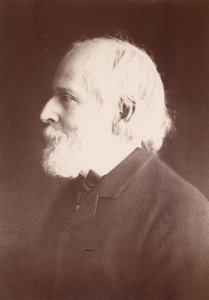
William Trost Richards
1833 - 1905 , Estados Unidos de América
Datos clave
- Artistas Influyentes:
- Paul Weber
- Albert Bierstadt
- Fecha De Fallecimiento: 8 de noviembre de 1905
- Fecha De Nacimiento: 14 de noviembre de 1833
- Lugar De Nacimiento: Filadelfia, EE. UU.
- Movimiento Artístico: Hudson River School
- Nacionalidad: Estadounidense
- Nombre Completo: William Trost Richards
- Obras Notables: ['Lago Avernus']
Artículos relacionados
Capturing the Light: A Journey Through the Soul of American Impressionism and the Hudson River School
Explore the luminous beauty of American Impressionism and the Hudson River School. Discover a curated journey through light, landscape, and history, celebrating the enduring legacy of masters through exquisite, hand-painted oil reproductions for the discerning art lover.
Capturing the American Spirit: A Journey Through Iconic Landscapes and the Legacy of the Hudson River School
Explore the profound beauty of American art history. From the Hudson River School to iconic landscapes, discover a curated journey through the masterpieces that defined a nation's spirit and the enduring legacy of American Romanticism.

Wild & Untamed: The High-Impact Energy of American Romanticism and the Hudson River School
Experience the raw power of American Romanticism. Explore the high-impact energy of the Hudson River School through premium, hand-painted oil reproductions that capture the sublime beauty and untamed spirit of the American wilderness for discerning collectors.

El Sublime Paisaje Americano: Explorando el Movimiento de la Escuela del Río Hudson
Descubre la Escuela del Río Hudson: un movimiento artístico clave en la historia de la pintura estadounidense. Explora su estética romántica, sus artistas más destacados y el concepto del sublime paisaje americano.
Los 10 Maestros del Río Hudson: Obras que Definieron un Movimiento Artístico
Descubre los 10 lienzos más emblemáticos de la Escuela del Río Hudson. Explora las obras maestras de Thomas Cole, Church y Bierstadt que capturan la belleza del paisaje americano. Encuentra reproducciones de arte exclusivas en OriginalUniqueArt.com.
