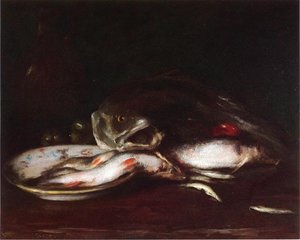
Ver en contexto
 Enviar
 Compartir
 Detalles
 Guía
Guía

 Descargar
 Similares
 Radiografía
 Presentación de diapositivas
 Q&A
Q&A Estadísticas
The Kimono

- 89.0 x 115.0 cm


 Ver más
Giclée / Impresión de arte
Impresiones giclée o en lienzo de calidad de museo con producción rápida y opciones de acabado flexibles. ( Comprar pintura hecha a mano Cambiar a imagen digital)




P118B €10

P118H €10

P118W €10

P438Z €10

P508JH €12

P508YH €12

P805H €10

P805Z €10

P919BZ €10

P919G €10

P919XJ €10

P959ZH €10

P968JZ €12

W106C €8

W218G €10

W218JH €8

W218Y €10

W307PJ €10

W316G €10

W316PJ €8

W316Y €10

W398PJ €8

W4111J €10

W500HY €15

W500JH €15

W692G €12

W849H €8

W940BG €15

W953PJ €8




Elija entre nuestros tamaños predefinidos que respetan las proporciones originales de la obra.

Introduzca el ancho y el alto que necesite para adaptarse a su marco o pared. Una impresión solo puede recortarse, nunca hacerse más grande que la imagen original, por lo que un tamaño con una forma distinta perderá parte de la obra. Le enviaremos una maqueta digital para su aprobación antes de realizar cualquier impresión. La imagen que se muestra en esta página no refleja el recorte real; solo la maqueta lo hace.
Envío a todo el mundo () en 2 semanas en lugar de las 4/5 semanas estándar. (1 noviembre)

Envío exprés gratuito a todo el mundo

Lienzo de lino de alta calidad

Seguro de envío total

Garantía de reembolso de aranceles aduaneros

Garantía de fidelidad cromática exacta

Política de devolución de 100 días (solo por defectos)

Garantía de devolución del 100% del dinero

Descuento por cantidad
 La opción de vidrio solo está disponible en tamaños inferiores a 110 cm.

The Kimono
Giclée / Impresión de arte
Dimensiones de la reproducción
-


Precio total final
€ 71
A Sanctuary of Stillness: The Essence of The Kimono
In the quiet corners of late Victorian America, where the boundaries between Eastern aesthetics and Western tradition began to blur, William Merritt Chase captured a moment of profound serenity in his 1895 masterpiece, The Kimono. This painting is far more than a mere portrait; it is an invitation into a private world of contemplation. The scene unfolds with a seated woman, deeply absorbed in the pages of a book, her presence anchoring a room that breathes with a sense of domestic peace. As she sits, the viewer is drawn into her stillness, feeling the weight of the quiet afternoon and the gentle rhythm of a life lived with intention.
The composition is a masterclass in balance and intentionality, reflecting the subtle influence of Japanese design principles that were captivating the artistic circles of the era. Chase carefully arranges the elements within the frame—a table adorned with two vases placed strategically to the left and right, and a potted plant that introduces a touch of organic vitality to the interior. This careful placement creates a harmonious equilibrium, guiding the eye across the canvas in a way that feels both natural and meticulously orchestrated, much like the tranquil atmosphere the artist sought to evoke.
The Impressionist Touch: Light, Color, and Texture
As a quintessential exponent of American Impressionism, Chase utilizes technique not merely to replicate reality, but to translate emotion through light. In The Kimono, he eschews the rigid, meticulous lines of traditional academic painting in favor of loose, expressive brushstrokes that dance across the surface. He employs the brilliant method of broken color, applying small, distinct patches of pigment that blend optically in the viewer's eye. This technique allows him to simulate the ephemeral way sunlight filters through a window, dancing upon the surfaces of the room and breathing life into the textures of the scene.
The color palette is a sophisticated study in muted elegance. Dominated by soft tones of ochre, beige, and pale greens, the painting avoids jarring contrasts, opting instead for a tonal harmony that reinforces the theme of calm. These subdued hues create a velvety texture that softens the edges of the world, making the boundaries between the subject and her environment feel fluid and dreamlike. The central motif—the kimono itself—serves as a focal point of refined beauty, its presence signifying grace and femininity while anchoring the painting's soft, luminous atmosphere.
A Timeless Legacy for the Modern Collector
For the discerning collector or interior designer, The Kimono offers an unparalleled opportunity to introduce a sense of historical depth and tranquil sophistication into a living space. The artwork embodies a period of significant artistic experimentation, representing a bridge between the structured traditions of the past and the light-filled innovations of the modern age. Its ability to evoke a mood of peacefulness makes it a versatile piece, capable of anchoring a room with its quiet dignity and understated luxury.
Owning a high-quality reproduction of this work means bringing more than just a beautiful image into one's home; it is about capturing a fragment of history. The painting serves as a reminder of the beauty found in fleeting moments and the enduring power of stillness. Whether placed in a sunlit reading nook or as a centerpiece in a formal gallery, The Kimono continues to inspire awe through its masterful command of light, its delicate embrace of Japanese influence, and its profound ability to transport the viewer to a state of pure, unadulterated tranquility.
Preguntas y respuestas
¿Es "The Kimono" de dominio público?
"The Kimono" de William Merritt Chase es de en el dominio público: sus derechos de autor han expirado. Este estado determina cómo se puede reproducir la imagen de la obra.
¿Cuál es el tamaño de impresión recomendado para "The Kimono" de William Merritt Chase?
Se recomienda imprimir "The Kimono" en un tamaño de Large. Otros tamaños están disponibles con las mismas proporciones.
¿Cuándo se creó "The Kimono" y a qué movimiento pertenece?
"The Kimono" de William Merritt Chase data de 1895 y pertenece al Impressionist Painting.
Biografía del artista
William Merritt Chase (1849-1916): Un Pionero del Impresionismo Estadounidense
William Merritt Chase fue una figura clave en el arte estadounidense de finales del siglo XIX, reconocido tanto como un destacado practicante del Impresionismo como por su influyente labor educativa. Sus vibrantes lienzos, que representan escenas de la vida cotidiana, paisajes y retratos, capturaron el espíritu de una América en rápida transformación. Más allá de sus logros artísticos, el legado de Chase se extiende a la fundación de la Escuela Chase (posteriormente Parsons The New School for Design), que desempeñó un papel crucial en la formación de generaciones de artistas estadounidenses.
Primeros Años y Desarrollo Artístico
- Nacimiento y Familia: William Merritt Chase nació el 1 de noviembre de 1849 en Williamsburg (actualmente Nineveh), Indiana. Su familia se trasladó a Indianápolis en 1861.
- Primeros Estudios: Inicialmente trabajando para el negocio familiar, Chase demostró un marcado interés por el arte desde temprana edad. Estudió con instructores locales, Barton S. Hays y Jacob Cox, mostrando considerables promesas.
- Educación Formal Comienza: Un breve período en la Marina lo llevó a mudarse a la ciudad de Nueva York en 1869, donde estudió bajo la tutela de Joseph Oriel Eaton. Posteriormente se inscribió en la National Academy of Design, aprendiendo de Lemuell Wilmarth, un alumno de Jean-Léon Gérôme.
- Dificultades Financieras y San Luis: Una crisis financiera familiar lo obligó a trasladarse a San Luis, Missouri, en 1870. Allí se involucró activamente en la escena artística local, obteniendo reconocimiento por su trabajo y exponiendo en la National Academy.
Estilo Impresionista y Obras Clave
- Abrazando el Impresionismo: Chase adoptó un estilo impresionista caracterizado por pinceladas sueltas, un enfoque en capturar momentos fugaces de luz y color, y representaciones de la vida contemporánea.
- "Keying Up – The Court Jester" (1876): Esta obra, expuesta en el Boston Art Club y en la Exposición Centenaria de Filadelfia donde ganó una medalla, se considera uno de sus primeros logros más significativos. Ejemplifica su habilidad para representar movimiento y personalidad con pinceladas enérgicas.
- Obras Notables: Su obra incluye impactantes retratos como Retrato de Virginia Gerson, evocadores paisajes como Gowanus Bay (también conocido como Misty Day, Gowanus Bay), y escenas que capturan la vitalidad de la vida urbana, incluyendo Alice Fernandez. Otras obras notables incluyen "A Friendly Call," "A Study in Curves," y “Terrace at the Mall, Central Park.”
- Temática: Chase frecuentemente representaba interiores domésticos, paisajes urbanos bulliciosos y actividades recreativas, reflejando su interés en retratar la vida estadounidense moderna con una sensación de inmediatez y vitalidad.
Legado Docente e Influencia
- La Escuela Chase: Un pilar del legado de Chase es la fundación de la Escuela Chase en la ciudad de Nueva York. Esta institución, que posteriormente se convirtió en Parsons The New School for Design, desempeñó un papel crucial en la formación de generaciones de artistas estadounidenses al enfatizar la observación, la técnica y la innovación artística.
- Cargos Docentes: Más allá de la Escuela Chase, ocupó cargos docentes en la Pennsylvania Academy of the Fine Arts, el Art Students League y la Brooklyn Art Association, difundiendo aún más su filosofía artística y sus habilidades.
- Influencia sobre Artistas Posteriores: Su énfasis en la observación directa y la pintura al aire libre influyó en numerosos artistas, incluyendo Wayman Elbridge Adams, quien reconoció a Chase como mentor.
Significado Histórico
William Merritt Chase ocupa una posición vital en la historia del arte estadounidense. Puenteó la brecha entre las tradiciones académicas anteriores y el emergente movimiento impresionista, contribuyendo significativamente al desarrollo de una identidad artística estadounidense distintiva. Su compromiso con la enseñanza aseguró que su enfoque innovador de la pintura continuara inspirando a generaciones de artistas, solidificando su legado tanto como un talentoso pintor como un influyente educador.

William Merritt Chase
1849 - 1916 , Estados Unidos de América
Datos clave
- Artistas Influenciados: ['Wayman Elbridge Adams']
- Artistas Que Influyeron: ['Jean-Léon Gérôme']
- Fecha De Fallecimiento: 1916
- Fecha De Nacimiento: 1 de noviembre de 1849
- Lugar De Nacimiento: Nineveh, EE. UU.
- Movimiento Artístico: Impresionismo
- Nacionalidad: Estadounidense
- Nombre Completo: William Merritt Chase
- Obras Notables:
- Retrato de Virginia Gerson
- En la costa
- Gowanus Bay
- Alice Fernandez
- Keying Up - El bufón
Artículos relacionados

El Óleo sobre Lienzo: Historia, Técnica y la Persistencia de un Medio Artístico Atemporal
Descubre la historia y técnica del óleo sobre lienzo. Explora reproducciones fieles hechas a mano, personalización artística y consejos de expertos con OriginalUniqueArt. ¡Colecciona arte con confianza!
10 Obras Maestras al Óleo sobre Tabla que Revolucionaron la Historia del Arte | OriginalUniqueArt
Descubre 10 obras maestras al óleo sobre tabla que revolucionaron el arte. Explora la historia de Van Gogh, Monet y otros artistas clave. Encuentra reproducciones de alta calidad e inspírate para decorar tu hogar con OriginalUniqueArt.com.
Capturing Light & Emotion: A Beginner's Guide to the Soul of Late Impressionism
Embark on a visual journey through Late Impressionism. Discover how masters like Monet and Van Gogh captured light and emotion, and learn expert tips for bringing these soulful, hand-painted aesthetics into your modern home decor with confidence.

The Enduring Legacy of Oil on Canvas: Technique, History & Aesthetic Impact
Explore the rich history & techniques of oil painting – from Renaissance masters to Impressionism. Discover pigments, layering methods, and why this timeless medium endures. Expert insights for artists & art enthusiasts.

Maestría y Forma: Las 25 Mejores Obras de Paul Cézanne
Explora las 25 obras maestras de Paul Cézanne y su legado postimpresionista. ¡Descubre toda la colección en OriginalUniqueArt.com!