
 Ver en contexto
 Enviar
 Compartir
 Detalles

 Descargar
 Similares
 Radiografía
 Presentación de diapositivas
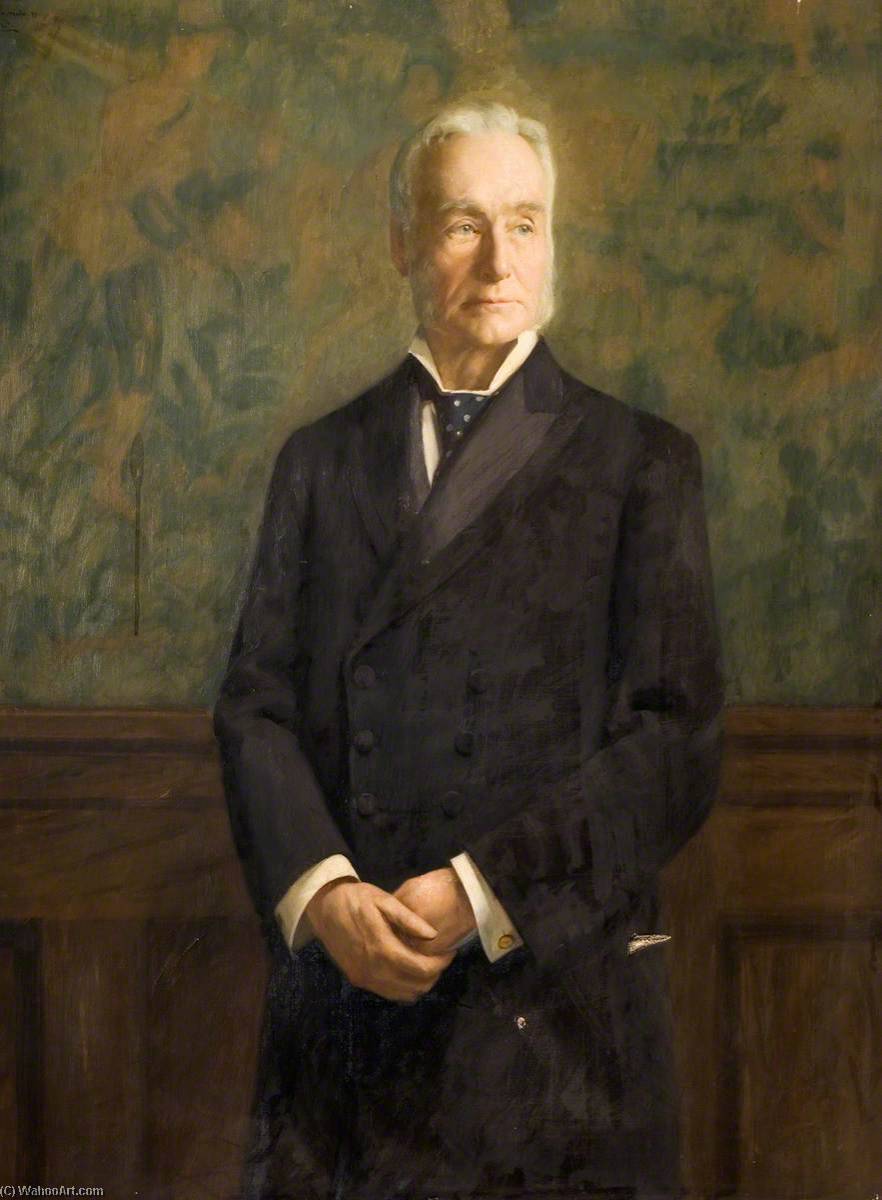
John Alcock, JP
 125.0 x 100.0 cm
 Ver más
Giclée / Impresión de arte
Impresiones giclée o en lienzo de calidad de museo con producción rápida y opciones de acabado flexibles. ( Comprar pintura hecha a mano Comprar imagen)




































Elija entre nuestros tamaños predefinidos que respetan las proporciones originales de la obra.

Puede introducir sus propias dimensiones para adaptarse a un marco o espacio específico. Si el tamaño seleccionado no coincide con las proporciones de la imagen original, recortaremos la obra de arte o extenderemos la imagen con un borde con efecto espejo o de color sólido. Se enviará una maqueta digital para su aprobación antes de que comience la producción.
Tenga en cuenta que la vista previa en pantalla no refleja el recorte o la extensión real. Solo la maqueta mostrará con precisión la composición final.
Aunque existen tamaños personalizados, recomendamos seleccionar una dimensión de la lista predefinida para preservar las proporciones originales.
Envío a todo el mundo () en 2 semanas en lugar de las 4/5 semanas estándar. (25 agosto)

Envío exprés gratuito a todo el mundo

Lienzo de lino de alta calidad

Seguro de envío total

Garantía de reembolso de impuestos aduaneros

Garantía de fidelidad cromática exacta

Política de devolución de 60 días (solo por defectos)

Garantía de devolución del 100% del dinero

Descuento por cantidad
 La opción de vidrio solo está disponible en tamaños inferiores a 110 cm.

John Alcock, JP
Giclée / Impresión de arte
Dimensiones de la reproducción
-


Precio total final
$ 80
Biografía del artista
The Weaver of Floral Visions: The Life and Legacy of William Mainwaring Palin
In the heart of the British Arts and Crafts movement, where the rebellion against industrial coldness met a fervent revival of traditional craftsmanship, there existed a voice as delicate as a wildflower and as enduring as woven silk. William Mainwasting Palin (1862–1947) was not merely a designer; he was a poet of the botanical world, translating the fleeting beauty of the English countryside into permanent, tactile masterpieces. His life’s work stands as a testament to an era that sought to find the divine in the details of nature, capturing the very essence of Victorian elegance through a lens of meticulous organic truth.
Born in 1862, Palin’s journey was deeply rooted in the landscapes of Worcestershire. His early education provided him with a classical foundation, yet it was his practical apprenticeship that would define his artistic soul. Immersing himself in the legendary Merton Abbey Studios under the tutelage of William Morris, Palin breathed in the very principles of the Arts and Crafts movement. This period was transformative, instilling in him a profound reverence for natural materials and the rhythmic, meditative process of handweaving. From Morris, he inherited a belief that art should not be confined to gilded frames but should permeate the very fabric of daily life, turning walls and furnishings into living tapestries of light and color.
A Botanical Precision: Technique and Artistry
While many of his contemporaries leaned toward the stylized or the abstract, Palin’s genius lay in his unwavering commitment to botanical accuracy. He possessed a rare, almost scientific eye for the subtle nuances of the natural world. To look upon a Palin design is to witness a masterclass in texture and light; he did not simply draw a fern or a rose, he sought to recreate its very spirit. His work in wallpaper and furnishing fabrics was characterized by an unparalleled ability to capture the delicate veins of a leaf, the soft velvet of a petal, and the intricate architecture of herbaceous borders.
His technical mastery allowed him to bridge the gap between fine art and decorative utility. Through his use of oil on canvas for figurative works—such as the hauntingly beautiful Life Study (1890)—and his exquisite textile designs, he demonstrated a versatile command over medium and subject. His approach was defined by:
- Meticulous Detail: A dedication to capturing individual plant specimens with breathtaking precision.
- Organic Symbiosis: An ability to weave complex floral motifs into patterns that felt both structured and wild.
- Textural Depth: Utilizing the inherent qualities of handweaving and oil pigments to create a sense of three-dimensional life.
Historical Significance and Enduring Influence
Though his total body of work may not possess the sheer volume of giants like Morris, Palin’s contribution to the decorative arts is monumental. He served as a vital link in the chain of British design history, refining the aesthetic of the late Victorian period into something more intimate and detailed. His ability to translate the ephemeral beauty of wildflowers into enduring woven patterns helped foster a widespread cultural appreciation for handcrafted beauty during a time of rapid industrial change.
Today, the legacy of William Mainwaring Palin lives on in the collections of prestigious institutions like the Victoria and Albert Museum, where his ability to capture the human form and botanical splendor continues to captivate. He remains a pivotal figure for anyone studying the intersection of nature and design, reminding us that true art is found when we pause to observe the intricate, often overlooked, wonders of the natural world.

william mainwaring palin
1862 - 1947
Datos clave
- Artistic Movement Or Style: Arts and Crafts Movement
- Artists Or Movements Influenced By This Artist: ['Arts and Crafts']
- Artists Who Influenced This Artist: ['William Morris']
- Date Of Birth: 1862
- Date Of Death: 1947
- Full Name: William Mainwaring Palin
- Nationality: British
- Notable Artworks:
- The Weaver's Cottage
- The Garden Gate
- Place Of Birth: London, England

