

 Vista previa
 Compartir
 Compartir
 Ver detalles
 Guía
Guía

 Descargar
 Ver artículos similares
 Radiografía
 Presentación de diapositivas
 Estadísticas
Miss Mary Edwards
 Óleo sobre lienzo
- Arte de pared
- Baroque Classicism
 1742
1742 126.0 x 101.0 cm
 The Frick Collection
 Leer más
Giclée / Impresión de arte
Impresiones giclée o en lienzo de calidad de museo con producción rápida y opciones de acabado flexibles. ( Encargar reproducción pintada a mano Ver versión en imagen digital)




































Elija entre nuestros tamaños predefinidos que respetan las proporciones originales de la obra.

Introduzca el ancho y el alto que necesite para adaptarse a su marco o pared. Una impresión solo puede recortarse, nunca hacerse más grande que la imagen original, por lo que un tamaño con una forma distinta perderá parte de la obra. Le enviaremos una maqueta digital para su aprobación antes de realizar cualquier impresión. La imagen que se muestra en esta página no refleja el recorte real; solo la maqueta lo hace.
Envío a todo el mundo () en 2 semanas en lugar de las 4/5 semanas estándar. (23 octubre)

Envío exprés gratuito a todo el mundo

Lienzo de lino de alta calidad

Seguro de envío completo

Garantía de reembolso de impuestos aduaneros

Garantía de fidelidad cromática exacta

Política de devolución de 100 días (solo por defectos)

Garantía de devolución del 100% del dinero

Oferta por volumen
 La opción de vidrio solo está disponible en tamaños inferiores a 110 cm.

Miss Mary Edwards
Giclée / Impresión de arte
Tamaño de la reproducción
-


Precio total
€ 70
A Portrait of Privilege and Virtue: Examining William Hogarth’s Miss Mary Edwards
William Hogarth's "Miss Mary Edwards," completed in 1742, stands as an emblem of Enlightenment England—a meticulously crafted depiction that transcends mere visual representation to deliver a potent commentary on social status, marital fidelity, and the burgeoning ideals of liberty. Painted during Hogarth’s prolific middle-class portraiture series alongside “Captain Coram,” this monumental canvas captures Mary Edwards (1705–43), arguably Hogarth's most influential patron, in opulent splendor—a woman whose considerable fortune mirrored her unwavering commitment to upholding moral principles. The artwork resides within the Frick Collection’s holdings, offering visitors a rare glimpse into a pivotal moment of British cultural history.The Composition and Symbolism of Power
The painting immediately draws the eye with Edwards' commanding presence seated beside her loyal dog, bathed in the warm glow of an interior setting dominated by a dining table and adorned with elegant furnishings. Hogarth’s masterful use of perspective establishes a formal arrangement that emphasizes both Edwards’ stature and the symbolic significance of her surroundings. Notably positioned is an open scroll bearing the inscription “Liberty & Property,” a deliberate allusion to Enlightenment philosophies championed by thinkers like Locke and Voltaire—values deeply resonant with Edwards' position as a wealthy businesswoman who prioritized ethical conduct alongside economic success. This juxtaposition underscores Hogarth’s intention: not simply to portray a woman, but to encapsulate the virtues deemed essential for upholding social order during this era.Technique and Artistic Detail
Hogarth’s technique is characterized by its remarkable realism—a hallmark of his style that distinguishes him from Rococo artists preoccupied with decorative fantasy. He employs chiaroscuro – dramatic contrasts between light and shadow – to sculpt Edwards' form, conveying a sense of solidity and dignity. The meticulous rendering of fabrics, jewelry, and the dog’s fur demonstrates Hogarth’s unwavering dedication to capturing minute details, elevating the portrait beyond mere likeness into an immersive experience for the viewer. Furthermore, the artist skillfully utilizes color—primarily reds and golds—to imbue the scene with warmth and richness, reflecting Edwards' wealth and reinforcing the painting’s overarching message of prosperity and moral righteousness.Historical Context: Marriage, Reputation, and Enlightenment Ideals
“Miss Mary Edwards” emerges from a period marked by anxieties surrounding marital stability and societal expectations for women. Edwards’ decision to divorce her husband—despite his extravagant lifestyle—represented a courageous assertion of independence and challenged prevailing norms regarding female roles within marriage. Hogarth's portrayal implicitly critiques the hypocrisy inherent in upholding moral standards while indulging in excessive indulgence, mirroring broader debates about virtue and vice prevalent during the Enlightenment. The inclusion of the scroll proclaiming “Liberty & Property” serves as a visual manifesto for these intellectual currents—a reminder that Edwards’ actions were guided by principles aligned with the aspirations of a nation striving to redefine its values.Emotional Resonance: Dignity Amidst Wealth
Beyond its formal and symbolic dimensions, "Miss Mary Edwards" possesses an undeniable emotional resonance. Hogarth captures Edwards' gaze—direct and contemplative—suggesting inner strength and intellectual curiosity. The dog beside her symbolizes loyalty and companionship, reinforcing the painting’s humanist ethos. Ultimately, the portrait transcends mere depiction; it communicates a profound understanding of human character—a celebration of dignity achieved through moral integrity amidst the trappings of considerable fortune. It remains a testament to Hogarth's artistic genius and his enduring fascination with capturing the complexities of human experience within the framework of historical circumstance.Preguntas y respuestas
¿Qué técnica se utilizó para "Miss Mary Edwards" de William Hogarth?
William Hogarth utilizó la técnica de Óleo sobre lienzo para "Miss Mary Edwards". La técnica define la naturaleza material de la obra original.
¿Qué representa "Miss Mary Edwards" de William Hogarth?
"Miss Mary Edwards" de William Hogarth representa: portraiture, wealth, liberty, marriage, family, luxury, domestic scene, property values.
¿Puedo ver una vista previa de "Miss Mary Edwards" de William Hogarth antes de realizar el pedido?
Para previsualizar una reproducción de "Miss Mary Edwards" de William Hogarth, abra la página de Vista previa de la obra.
Biografía del artista
vida temprana e influencias
William Hogarth, un artista inglés multifacético, nació el 10 de noviembre de 1697 en Londres. Su vida temprana estuvo marcada por su aprendizaje como grabador a cargo de Ellis Gamble en Leicester Fields, donde desarrolló sus habilidades en la grabado de carteles publicitarios. Esta experiencia influyó significativamente en su tono artístico, frecuentemente notado por su filo crítico y agudo.carrera artística
El rango creativo de Hogarth abarcó desde el retrato realista hasta las pioneras series pictóricas de tipo cómico, denominadas "sujetos morales modernos". Es famoso por sus obras A Harlot's Progress, A Rake's Progress y Marriage a-la-Mode. Su estilo distintivo se volvió tan influyente que las ilustraciones políticas satíricas similares a menudo se denominan "hogarthianas".obras notables y su significado
- El Contrato Matrimonial (clasicismo, óleo sobre lienzo): Esta pintura muestra la maestría de Hogarth en el sarcasmo, criticando las narrativas sociales de su tiempo. [https://OriginalUniqueArt.com/@@/8bwmb6-william-hogarth-the-marriage-contract](https://OriginalUniqueArt.com/@@/8bwmb6-william-hogarth-the-marriage-contract)
- A Harlot's Progress (arte satírico, grabado): Esta serie de pinturas es un testimonio de la capacidad de Hogarth para capturar la forma humana con gracia y poder, a menudo incorporando contenido sexualmente explícito. [https://OriginalUniqueArt.com/@/william-hogarth](https://OriginalUniqueArt.com/@/william-hogarth)
legado e influencia
El arte de Hogarth ganó una inmensa popularidad y fue producido masivamente a través de grabados, convirtiéndolo en el artista inglés más importante de su tiempo. Charles Lamb, el ensayista, comentó famoso que las imágenes de Hogarth eran como libros para leer en lugar de simplemente mirarlos.museos y colecciones
El Museo Británico, con su extensa colección de objetos artísticos culturales y antigüedades, es una institución importante del Reino Unido. [https://en.wikipedia.org/wiki/british_museum](https://en.wikipedia.org/wiki/british_museum) Aunque no se centra específicamente en el trabajo de Hogarth, representa el contexto más amplio del arte y la cultura británicos.conclusión
El legado de William Hogarth como artista satírico continúa influyendo en el mundo del arte. Sus obras, tales como El Contrato Matrimonial y A Harlot's Progress, siguen siendo significativas no solo por su valor artístico sino también por su crítica aguda de las narrativas sociales. Explore más del trabajo de Hogarth en [https://OriginalUniqueArt.com/@/william-hogarth](https://OriginalUniqueArt.com/@/william-hogarth).
William Hogarth
1697 - 1764 , Reino Unido
Datos clave
- Artistas Influenciados:
- James Gillray
- George Cruikshank
- Artistas Que Influyeron:
- Pieter de Hooch
- Jonathan Swift
- Fecha De Muerte: 1764
- Fecha De Nacimiento: 10 de noviembre de 1697
- Lugar De Nacimiento: Londres, Reino Unido
- Movimiento Artístico: Arte satírico, Realismo
- Nacionalidad: Británico
- Nombre Completo: William Hogarth
- Obras Notables:
- A Harlot's Progress
- A Rake's Progress
- Marriage A-la-Mode
Artículos relacionados

Reflecting Nobility & Nuance: 18th-Century Portraiture as a Window into Societal Values
Explore the world of 18th-century portraiture with OriginalUniqueArt. Discover symbolism, artistic innovation & societal values reflected in masterpieces by Reynolds, Hogarth & more. Expert insights for collectors.
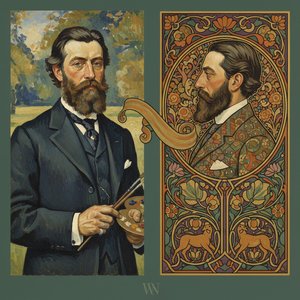
Sir William Nicholson: A Study in Post-Impressionist Portraiture & Decorative Modernism
Explore the life & work of Sir William Nicholson, a pivotal British Post-Impressionist painter. Discover his striking portraits, innovative woodcuts, and lasting influence on early 20th-century art. Expert insights for collectors.

William Hogarth: Satire, Social Commentary & the Birth of Modern British Art
Explore the satirical world of William Hogarth, pioneering British painter & engraver. Discover his iconic works like *A Rake's Progress* and insightful social commentary on 18th-century London life.
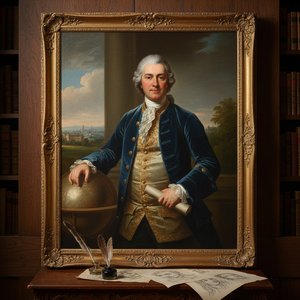
Thomas Hudson: A Study in 18th-Century Portraiture & British Artistic Identity
Explore the life & work of Thomas Hudson, a leading 18th-century British portraitist. Discover his mastery of the 'Grand Manner,' influential style, and lasting impact on British art. Learn about his notable portraits like Judge William Noel & Alexander Van Aken.

El Siglo XVIII en el Arte: 10 Obras Maestras para Decorar con Historia y Elegancia
Descubre 10 obras maestras del siglo XVIII: Goya, Fragonard y más. Explora la historia, el arte barroco, rococó y neoclasicismo que inspiran decoración elegante. Reproducciones de alta calidad en OriginalUniqueArt.com.


