- Inicio

- Impresión en lienzo
- William Etty
- Prometheus

 Encargar reproducción Comprar imagen en alta resolución
 Enviar
 Compartir
 Detalles
 Añadir a favoritos

 Descargar
 Similares
 Radiografía
 Presentación de diapositivas
Prometheus
 Oil
Oil- WallArt
- Romanticism
 1820
1820- 19th Century
 71.0 x 78.0 cm
 Ver más
Giclée / Impresión de arte
Impresión giclée o en lienzo de calidad de museo con producción rápida y opciones de acabado flexibles.




P118B $10

P118H $10

P118W $10

P438Z $10

P508JH $12

P508YH $12

P805H $10

P805Z $10

P919BZ $10

P919G $10

P919XJ $10

P959ZH $10

P968JZ $12

W106C $8

W218G $10

W218JH $8

W218Y $10

W307PJ $10

W316G $10

W316PJ $8

W316Y $10

W398PJ $8

W4111J $10

W500HY $15

W500JH $15

W692G $12

W849H $8

W940BG $15

W953PJ $8




Elija entre nuestros tamaños predefinidos que respetan las proporciones originales de la obra.

Puede introducir sus propias dimensiones para adaptarse a un marco o espacio específico. Si el tamaño seleccionado no coincide con las proporciones de la imagen original, recortaremos la obra de arte o extenderemos la imagen con un borde con efecto espejo o de color sólido. Se enviará una maqueta digital para su aprobación antes de que comience la producción.
Tenga en cuenta que la vista previa en pantalla no refleja el recorte o la extensión real. Solo la maqueta mostrará con precisión la composición final.
Aunque existen tamaños personalizados, recomendamos seleccionar una dimensión de la lista predefinida para preservar las proporciones originales.
Entrega mundial () en 2 semanas en lugar de las 4/5 semanas estándar. (21 julio)

Envío exprés gratuito a todo el mundo

Lienzo de lino de alta calidad

Seguro de envío total

Garantía de reembolso de impuestos aduaneros

Garantía de fidelidad de color

Política de devolución de 60 días (solo por defectos)

Garantía de devolución del 100% del dinero

Descuento por pedido múltiple
 La opción de vidrio solo está disponible en tamaños inferiores a 110 cm.

Prometheus
Giclée / Impresión de arte
Tamaño de la reproducción
-


Precio total final
-
Descripción de la obra
The Agony and the Flame: Reimagining a Mythic Torment
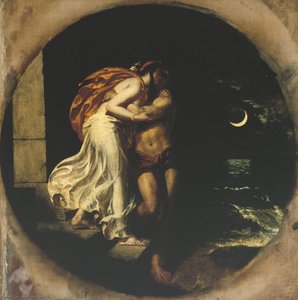
In the visceral masterpiece Prometheus, painted in 1820, William Etty invites us into a scene of profound mythological suffering and raw human vulnerability. The canvas captures the Titan at his most precarious moment, bound to the unforgiving stone as a consequence of his defiance against the gods. There is an immediate, jarring intensity to the composition; the figure lies sprawled across the earth, his body a landscape of tension and physical trauma. Etty does not shy away from the grotesque or the harrowing details of the myth, presenting a subject that is simultaneously heroic and broken. The presence of the bow and arrow piercing the flesh serves as a brutal reminder of the divine retribution being visited upon him, creating a narrative of sacrifice that resonates far beyond the borders of ancient Greek lore.
The technique employed by Etty reveals his status as a pioneer of the British nude, utilizing a mastery of light and shadow to sculpt the musculature of the protagonist. The flesh tones are rendered with a remarkable sensitivity, capturing the flush of pain and the pallor of exhaustion. Through fluid brushwork and a sophisticated understanding of anatomical form, Etty breathes life into the inanimate rock and the surrounding atmosphere. The interplay between the stark, rugged background and the soft, vulnerable curves of the human form creates a dramatic chiaroscuro effect that draws the eye directly to the center of the struggle. This mastery of texture—from the cold hardness of the stone to the warmth of the skin—makes the piece an extraordinary specimen of early 19th-century Romanticism.
A Symphony of Symbolism and Emotional Depth
Beyond the immediate shock of the imagery, Prometheus functions as a profound meditation on the cost of knowledge and the spirit of rebellion. To the discerning collector, the painting offers more than just a depiction of myth; it is an exploration of the human condition under duress. The isolation of the figure, set against a landscape that feels both vast and claustrophobic, symbolizes the lonely burden of those who dare to challenge established powers. Every element, from the positioning of the limbs to the distant, watchful presence of another figure, contributes to a sense of inescapable fate. It is a work that demands emotional engagement, pulling the viewer into a state of empathy for the Titan’s eternal struggle.
For interior designers and connoisseurs of fine art, this reproduction offers a commanding presence capable of anchoring a room with its historical weight and dramatic flair. The painting's rich palette and intense subject matter make it an ideal centerpiece for collections that value narrative depth and classical grandeur. Whether placed in a study filled with leather-bound volumes or a contemporary gallery space, the work serves as a conversation piece that bridges the gap between the ancient past and the modern aesthetic. Owning a high-quality reproduction of this Etty masterpiece allows one to preserve a fragment of Romantic history, bringing the timeless tension of Prometheus's sacrifice into the intimate setting of a private home.
Biografía del artista
Primeros años y formación
William Etty, un artista inglés destacado, nació el 10 de marzo de 1787 en York, Reino Unido. A los 12 años abandonó la escuela para convertirse en aprendiz de impresor en Hull, completando su aprendizaje siete años después. En 1807, se unió a las escuelas de la Royal Academy en Londres, donde estudió bajo Thomas Lawrence y se formó copiando obras de otros artistas.Carrera artística
El gran avance de Etty llegó con La llegada de Cleopatra a Cilicia, pintada en 1821, que presentaba numerosos desnudos y fue exhibida con gran aclamación. Este éxito impulsó nuevas representaciones de escenas históricas con desnudos, lo que le valió una reputación de indecencia. A pesar de esto, tuvo un éxito comercial y una aclamación crítica, convirtiéndose en académico real en 1828.Obras notables y controversia
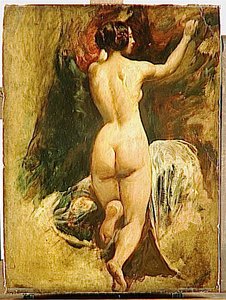
- Desnudo femenino de pie, una pintura que muestra la maestría de Etty en los tonos realistas de la piel.
- Las sirenas y Ulises, una obra que demuestra su capacidad para equilibrar escenas históricas con desnudez.
- La inclusión de Etty en la exposición emblemática Exposición del desnudo victoriano en Tate Britain en 2001-02, que condujo a un renovado interés en su obra.
Legado y vida posterior
A pesar de ser un hombre tímido que rara vez socializaba y nunca se casó, Etty continuó pintando desnudos masculinos y femeninos, lo que provocó severas críticas. Murió el 13 de noviembre de 1849 en York, pero sus obras se convirtieron en muy coleccionables, vendiéndose por grandes sumas. Enlaces importantes: * Obras de arte de William Etty * William Etty en Wikipedia * Desnudo femenino de pie por William EttyConclusión
William Etty, un pionero de la desnudez británica, dejó una huella indeleble en el mundo del arte. Sus obras, aunque alguna vez fueron controvertidas, ahora sirven como testimonio de su habilidad y dedicación para capturar la forma humana. Explore más obras de arte de Etty en OriginalUniqueArt.com.
William Etty
1787 - 1849 , Reino Unido
Datos clave
- Artistas Que Influyeron: ['Thomas Lawrence']
- Estilo Artístico: Romanticismo
- Fecha De Fallecimiento: 13 de noviembre de 1849
- Fecha De Nacimiento: 10 de marzo de 1787
- Lugar De Nacimiento: York, Reino Unido
- Nacionalidad: Británico
- Nombre Completo: William Etty
- Obras Notables:
- Cleopatra's Arrival in Cilicia
- Standing Female Nude
- The Sirens and Ulysses
Artículos relacionados

William Etty: Rediscovering Victorian Sensibility & the Sublime in Historical Painting
Explore the captivating world of William Etty, a pioneering Victorian artist famed for his dramatic historical paintings and groundbreaking nude figures. Discover his life, controversial reception, and enduring legacy with our expert analysis.

The Enduring Allure of the Nude: A Historical & Artistic Exploration of the Human Form
Explore the captivating history of nude art! Discover iconic paintings & artists from classical to modern eras. Uncover symbolism, techniques & find museum-quality reproductions at OriginalUniqueArt.
Los 10 Maestros del Neoclasicismo: Obras que Definieron una Era |
Descubre los 10 imprescindibles del Neoclasicismo con . Obras de David, Ingres y Canova que marcaron una era. Historia, técnica y significado de cada pieza. Encuentra reproducciones de arte de museo en
El Legado Perenne del Clasicismo: Principios Fundamentales, Evolución e Influencia en el Arte Occidental
Descubre la historia del arte clásico occidental: desde sus orígenes en Grecia y Roma hasta su influencia en el Renacimiento y las corrientes contemporáneas. Análisis experto, artistas clave y obras maestras imperdibles.

The Eloquent Form: A Historical & Aesthetic Exploration of the Nude in Art
Explore the captivating history of the nude in art! From ancient Greece to modern masters, discover its evolving symbolism, techniques & enduring beauty. Expert insights for collectors and enthusiasts.