Vista previa
 Compartir
 Compartir
 Ver detalles

 Descargar
 Ver artículos similares
 Radiografía
 Presentación de diapositivas
 Estadísticas
The vision of Eliphaz


 Leer más
Reproducción al óleo hecha a mano
Óleo sobre lienzo pintado a mano en el tamaño y marco de su elección, realizado por encargo por nuestros artistas. ( Cambiar a formato impreso Ver versión en imagen digital)




P118B $10

P118H $10

P118W $10

P438Z $10

P508JH $12

P508YH $12

P805H $10

P805Z $10

P919BZ $10

P919G $10

P919XJ $10

P959ZH $10

P968JZ $12

W106C $8

W218G $10

W218JH $8

W218Y $10

W307PJ $10

W316G $10

W316PJ $8

W316Y $10

W398PJ $8

W4111J $10

W500HY $15

W500JH $15

W692G $12

W849H $8

W940BG $15

W953PJ $8




Elija entre nuestros tamaños predefinidos que respetan las proporciones originales de la obra.

Puede ingresar sus propias dimensiones para adaptarse a un marco o espacio específico. Si el tamaño seleccionado no coincide con las proporciones de la imagen original, recortaremos la obra o extenderemos la pintura con elementos adicionales pintados a mano. Se le enviará una maqueta digital para su aprobación antes de comenzar la producción.
Tenga en cuenta que la vista previa en pantalla no refleja el recorte o la extensión reales. Solo la maqueta mostrará con precisión la composición final.
Si bien existen tamaños personalizados, recomendamos seleccionar una dimensión de la lista predefinida para preservar las proporciones originales.
Tras realizar el pedido, el equipo de OriginalUniqueArt.com enviará un correo electrónico al cliente para solicitar instrucciones y proporcionarle una vista previa del boceto.
Envío a todo el mundo () en 3-4 semanas en lugar de las 5 semanas estándar. (16 septiembre). Sin comprometer la calidad.

Envío exprés gratuito a todo el mundo

Lienzo de lino de alta calidad

Seguro de envío completo

Garantía de reembolso de impuestos aduaneros

Garantía de fidelidad cromática exacta

Política de devolución de 100 días (solo por defectos)

Garantía de devolución del 100% del dinero

Oferta por volumen
 La opción de vidrio solo está disponible en tamaños inferiores a 110 cm.

The vision of Eliphaz
Técnica de reproducción
Tamaño de la reproducción
-


Precio total
$ 300
William Blake’s “The Vision of Eliphaz”: A Descent into Spiritual Revelation
William Blake's "The Vision of Eliphaz," painted around 1798, is not merely a depiction of figures; it’s an immersive plunge into the turbulent depths of spiritual questioning and profound emotional experience. This arresting image, born from the heart of the Romantic era, reveals Blake’s unique ability to translate personal visions—fueled by intense introspection and a rejection of orthodox religious dogma—into powerfully symbolic artwork. The painting immediately draws the viewer in with its central figure, a woman rendered in Blake's signature bold lines and vibrant colors, her arms outstretched as if receiving or offering something beyond comprehension. She embodies a yearning for understanding, a desperate plea for guidance amidst uncertainty – a theme deeply resonant within Blake’s own life and work.
- Subject Matter: The scene depicts a gathering of individuals engaged in what appears to be a profound discussion, possibly concerning moral or spiritual matters.
- Composition: Blake masterfully employs a pyramidal composition, drawing the eye upwards towards the central figure and creating a sense of dynamic movement within the tableau.
- Color Palette: The use of rich, saturated colors – deep blues, reds, and yellows – contributes to the painting’s dramatic intensity and evokes feelings of both hope and despair.
Technique and Style: Blake's Revolutionary Printmaking
Blake was a revolutionary figure in the world of art, forging his own path by rejecting traditional academic styles. “The Vision of Eliphaz” exemplifies this approach through its intensely detailed line work, characteristic of Blake’s printmaking technique. He meticulously etched and engraved plates, layering colors with watercolor to achieve an effect that is both luminous and deeply textured. This process, honed during his apprenticeship with James Basire, allowed him to create images of remarkable depth and complexity. The painting's surface isn't simply a representation; it’s a record of the artist’s hand, imbued with his emotional energy and visionary intensity. Blake’s use of mezzotint – a technique that produces rich tonal gradations – further enhances the drama and mystery of the scene.
Symbolism and Interpretation: Layers of Meaning
The symbolism within “The Vision of Eliphaz” is layered and open to interpretation, reflecting Blake's broader philosophical concerns. The central woman can be seen as an angelic figure, a conduit for divine revelation, or perhaps a representation of the human soul striving for enlightenment. The surrounding figures – seated and standing – may symbolize different perspectives on faith, doubt, or wisdom. The presence of a book suggests the importance of knowledge and scripture, though Blake often challenged established religious interpretations. The overall atmosphere is one of intense contemplation and spiritual struggle, mirroring Blake’s own battles with orthodoxy and his fervent belief in individual revelation.
Historical Context and Legacy: A Romantic Masterpiece
"The Vision of Eliphaz" was created during a period of immense social and intellectual upheaval in England. The Industrial Revolution was transforming the landscape and society, while religious beliefs were being questioned. Blake’s work reflects this climate of uncertainty and his desire to forge a new spiritual path. As a key example of Romantic art, "The Vision of Eliphaz" continues to resonate with viewers today, offering a powerful meditation on faith, doubt, and the human search for meaning. Its enduring appeal lies in its raw emotional honesty and Blake’s unparalleled ability to translate his visionary experiences into timeless works of art.
Biografía del artista
una vida marcada por un espíritu creativo
william blake, un artista, poeta e grabador visionario, dejó una marca indeleble en el mundo del arte. Nacido en Londres el 28 de noviembre de 1757 y fallecido el 12 de agosto de 1827, la vida de Blake fue un testimonio de su profundo espíritu creativo.vida temprana e influencias
Los primeros años de Blake estuvieron marcados por una profunda conexión con las artes. Su padre, william blake sr., un hosier, y su madre, catherine wright, influyeron en sus inclinaciones espirituales y artísticas. Esto llevó a su aprendizaje bajo la tutela de francisco bartolozzi, un grabador.evolución artística y obras notables
El viaje artístico de Blake abarcó diversos medios, incluyendo la pintura, la poesía y la grabado. Algunas de sus obras más notables incluyen:- the tyger (1795) - una obra maestra de la literatura romántica, que muestra la mezcla única de Blake entre lo místico y lo real.
- the sickle (1803) - un ejemplo conmovedor de su destreza en el grabado, que refleja su profunda conexión con la naturaleza.
- the ghost of a flea (c. 1819–1820) - un testimonio del enfoque innovador de Blake en el arte, que difumina las líneas entre la realidad y la fantasía.
museos que exhiben obras de Blake
- blake museum, reino unido - un destino imprescindible para cualquier entusiasta de Blake, que alberga una extensa colección de sus obras de arte. [https://OriginalUniqueArt.com/@/william-blake](https://OriginalUniqueArt.com/@/william-blake)
- fulham public library, reino unido - aunque no es un museo dedicado exclusivamente a Blake, presenta varias de sus obras notables, ofreciendo una perspectiva única del arte británico. [https://OriginalUniqueArt.com/@@/a@d3bma9-discovering-the-artworks-of-fulham-public-library-united-kingdom](https://OriginalUniqueArt.com/@@/a@d3bma9-discovering-the-artworks-of-fulham-public-library-united-kingdom)
legado e impacto
La influencia de Blake en el arte británico es innegable. Su mezcla única de lo místico, lo profético y lo imaginativo ha inspirado a generaciones de artistas. Como precursor del movimiento romántico, la obra de Blake continúa desafiando cualquier categorización fácil, convirtiéndolo en una piedra angular de la literatura y el arte británicos.lecturas adicionales
Para más información sobre William Blake y sus obras, explore:
William Blake
1757 - 1827 , Reino Unido
Datos clave
- Artistas Influenciados:
- Pre-Rafaelitas
- Simbolismo
- Modernismo
- Artistas Que Influyeron:
- Raphael
- Miguel Ángel
- Fecha De Muerte: 12 de agosto de 1827
- Fecha De Nacimiento: 28 de noviembre de 1757
- Lugar De Nacimiento: Londres, Reino Unido
- Movimiento Artístico: Romanticismo
- Nacionalidad: Británico
- Nombre Completo: William Blake
- Obras Notables:
- El Tigre (1795)
- La Segadora (1803)
- El Fantasma de una Pulga
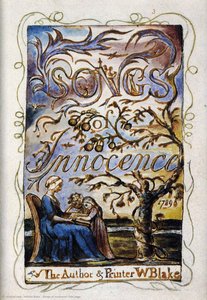
- Canciones de Inocencia
- Jerusalén (1804-1820)
Artículos relacionados

OriginalUniqueArt.com F.A.Q.: Elevate Your Decor with Premium Textured Giclée Prints
Discover the distinction of OriginalUniqueArt.com premium textured Giclée prints. Expertly crafted with archival 12-color pigments and museum-grade substrates, our prints offer unparalleled vividness for the discerning collector seeking luxury, durability, and timeless elegance.