Vista previa
 Compartir
 Compartir
 Ver detalles
 Guía
Guía

 Descargar
 Ver artículos similares
 Radiografía
 Presentación de diapositivas
 Estadísticas
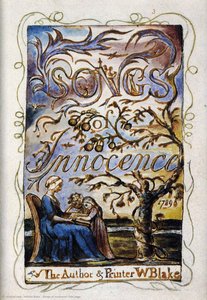
The Night of Peace


 Leer más
Reproducción al óleo hecha a mano
Óleo sobre lienzo pintado a mano en el tamaño y marco de su elección, realizado por encargo por nuestros artistas. ( Cambiar a formato impreso Ver versión en imagen digital)




P118B $10

P118H $10

P118W $10

P438Z $10

P508JH $12

P508YH $12

P805H $10

P805Z $10

P919BZ $10

P919G $10

P919XJ $10

P959ZH $10

P968JZ $12

W106C $8

W218G $10

W218JH $8

W218Y $10

W307PJ $10

W316G $10

W316PJ $8

W316Y $10

W398PJ $8

W4111J $10

W500HY $15

W500JH $15

W692G $12

W849H $8

W940BG $15

W953PJ $8




Elija entre nuestros tamaños predefinidos que respetan las proporciones originales de la obra.

Puede ingresar sus propias dimensiones para adaptarse a un marco o espacio específico. Si el tamaño seleccionado no coincide con las proporciones de la imagen original, recortaremos la obra o extenderemos la pintura con elementos adicionales pintados a mano. Se le enviará una maqueta digital para su aprobación antes de comenzar la producción.
Tenga en cuenta que la vista previa en pantalla no refleja el recorte o la extensión reales. Solo la maqueta mostrará con precisión la composición final.
Si bien existen tamaños personalizados, recomendamos seleccionar una dimensión de la lista predefinida para preservar las proporciones originales.
Tras realizar el pedido, el equipo de OriginalUniqueArt.com enviará un correo electrónico al cliente para solicitar instrucciones y proporcionarle una vista previa del boceto.
Envío a todo el mundo () en 3-4 semanas en lugar de las 5 semanas estándar. (25 septiembre). Sin comprometer la calidad.

Envío exprés gratuito a todo el mundo

Lienzo de lino de alta calidad

Seguro de envío completo

Garantía de reembolso de impuestos aduaneros

Garantía de fidelidad cromática exacta

Política de devolución de 100 días (solo por defectos)

Garantía de devolución del 100% del dinero

Oferta por volumen
 La opción de vidrio solo está disponible en tamaños inferiores a 110 cm.

The Night of Peace
Técnica de reproducción
Tamaño de la reproducción
-


Precio total
$ 300
A Visionary Echo: The Ethereal Essence of The Night of Peace
In the quiet, shadowed corridors of art history, few works resonate with the haunting intensity of William Blake’s The Night of Peace. Created in 1815, this masterpiece serves as a profound window into the soul of the Romantic era, capturing a moment that feels suspended between the earthly and the divine. The scene unfolds with a heavy, atmospheric grace, depicting a gathering of figures around a woman lying prone before a religious structure. Whether one perceives the central figure in the throes of childbirth or the stillness of death, the painting radiates an undeniable tension between life and mortality. It is a work that does not merely invite observation but demands a spiritual encounter, pulling the viewer into a landscape where the veil between reality and revelation is perilously thin.
The technical mastery of Blake, particularly his ability to manipulate light and shadow, lends the piece an almost supernatural quality. While often celebrated for his revolutionary engravings, the painterly essence of this work utilizes stark contrasts to mirror the artist's personal cosmology. The interplay of deep, velvety blacks against luminous, ethereal highlights creates a sense of chiaroscuro that is both unsettling and serene. This deliberate use of contrast serves as a visual metaphor for Blake’s belief in the eternal struggle between opposing forces: innocence and experience, light and darkness, the finite and the infinite. For the discerning collector or interior designer, this dramatic tonal range offers a sophisticated focal point, capable of anchoring a room with its profound depth and somber elegance.
Symbolism and the Romantic Spirit
To gaze upon The Night of Peace is to navigate a labyrinth of symbolic meaning. Set against a backdrop of turbulent, swirling clouds, the composition evokes the sublime—that uniquely Romantic sensation of awe mixed with terror. The presence of the church-like structure, marked by the solemnity of a cross, grounds the visionary elements in a recognizable religious tradition, yet Blake transcends mere illustration to create something far more complex. He utilizes medieval symbolism and biblical echoes to offer a sanctuary of grace amidst the encroaching shadows of the Industrial Revolution. Every line and shadow is a deliberate stroke of a man who saw angels and demons dancing within the soot of London.
For those seeking to integrate art into a curated living space, this reproduction offers more than mere decoration; it provides an emotional anchor. The painting’s ability to evoke contemplation makes it an ideal centerpiece for libraries, studies, or galleries where the goal is to inspire deep thought and quiet reflection. It carries with it a sense of historical weight and intellectual prestige, making it a timeless acquisition for anyone who appreciates art that speaks to the enduring mysteries of the human condition. In its silent, nocturnal beauty, The Night of Peace continues to whisper the secrets of a visionary genius to all who are willing to listen.
Biografía del artista
una vida marcada por un espíritu creativo
william blake, un artista, poeta e grabador visionario, dejó una marca indeleble en el mundo del arte. Nacido en Londres el 28 de noviembre de 1757 y fallecido el 12 de agosto de 1827, la vida de Blake fue un testimonio de su profundo espíritu creativo.vida temprana e influencias
Los primeros años de Blake estuvieron marcados por una profunda conexión con las artes. Su padre, william blake sr., un hosier, y su madre, catherine wright, influyeron en sus inclinaciones espirituales y artísticas. Esto llevó a su aprendizaje bajo la tutela de francisco bartolozzi, un grabador.evolución artística y obras notables
El viaje artístico de Blake abarcó diversos medios, incluyendo la pintura, la poesía y la grabado. Algunas de sus obras más notables incluyen:- the tyger (1795) - una obra maestra de la literatura romántica, que muestra la mezcla única de Blake entre lo místico y lo real.
- the sickle (1803) - un ejemplo conmovedor de su destreza en el grabado, que refleja su profunda conexión con la naturaleza.
- the ghost of a flea (c. 1819–1820) - un testimonio del enfoque innovador de Blake en el arte, que difumina las líneas entre la realidad y la fantasía.
museos que exhiben obras de Blake
- blake museum, reino unido - un destino imprescindible para cualquier entusiasta de Blake, que alberga una extensa colección de sus obras de arte. [https://OriginalUniqueArt.com/@/william-blake](https://OriginalUniqueArt.com/@/william-blake)
- fulham public library, reino unido - aunque no es un museo dedicado exclusivamente a Blake, presenta varias de sus obras notables, ofreciendo una perspectiva única del arte británico. [https://OriginalUniqueArt.com/@@/a@d3bma9-discovering-the-artworks-of-fulham-public-library-united-kingdom](https://OriginalUniqueArt.com/@@/a@d3bma9-discovering-the-artworks-of-fulham-public-library-united-kingdom)
legado e impacto
La influencia de Blake en el arte británico es innegable. Su mezcla única de lo místico, lo profético y lo imaginativo ha inspirado a generaciones de artistas. Como precursor del movimiento romántico, la obra de Blake continúa desafiando cualquier categorización fácil, convirtiéndolo en una piedra angular de la literatura y el arte británicos.lecturas adicionales
Para más información sobre William Blake y sus obras, explore:
William Blake
1757 - 1827 , Reino Unido
Datos clave
- Artistas Influenciados:
- Pre-Rafaelitas
- Simbolismo
- Modernismo
- Artistas Que Influyeron:
- Raphael
- Miguel Ángel
- Fecha De Muerte: 12 de agosto de 1827
- Fecha De Nacimiento: 28 de noviembre de 1757
- Lugar De Nacimiento: Londres, Reino Unido
- Movimiento Artístico: Romanticismo
- Nacionalidad: Británico
- Nombre Completo: William Blake
- Obras Notables:
- El Tigre (1795)
- La Segadora (1803)
- El Fantasma de una Pulga
- Canciones de Inocencia
- Jerusalén (1804-1820)
Artículos relacionados

10 Obras Maestras del Realismo Romántico que Debes Conocer
Explora la emoción y el detalle del Realismo Romántico. Un viaje por 10 obras maestras que capturan la esencia humana con técnica y alma. Encuentra inspiración y reproducciones de calidad museo para tu hogar en OriginalUniqueArt.com. ¡Descubre toda la colección online!

Sir William Blake Richmond: A Visionary of Aestheticism & Symbolism
Explore the life & art of Sir William Blake Richmond, a pivotal figure bridging Pre-Raphaelitism and Aestheticism. Discover his stunning portraits, mosaics at St Paul's Cathedral, and lasting influence on Victorian art.

Paisajes Románticos: 10 Obras Maestras que Definieron un Movimiento Artístico
Descubre los 10 paisajes románticos más influyentes de artistas como Caspar David Friedrich y Turner. Explora la belleza, el simbolismo y las técnicas del movimiento romántico. Reproducciones de arte exclusivas en OriginalUniqueArt.com.
John Varley I: Intimate Observation & the British Romantic Landscape
Explore the serene landscapes of John Varley I, a key figure in British Romanticism. Discover his unique watercolour style, collaboration with William Blake & lasting artistic legacy. Learn about collecting Varley's work.

William Blake: Romantic Visionary & Mystical Genius of the Imagination
Explore the mystical art & poetic genius of William Blake (1757-1827). Discover his revolutionary illuminated printing, rich symbolism, and lasting influence on Romanticism. Find handmade reproductions at OriginalUniqueArt.