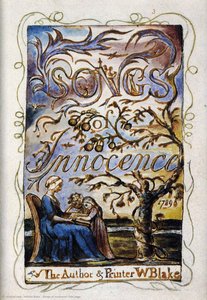
Vista previa
 Compartir
 Compartir
 Ver detalles
 Guía
Guía

 Descargar
 Ver artículos similares
 Radiografía
 Presentación de diapositivas
 Estadísticas
La Resurrección


 Leer más
Giclée / Impresión de arte
Impresiones giclée o en lienzo de calidad de museo con producción rápida y opciones de acabado flexibles. ( Encargar reproducción pintada a mano Ver versión en imagen digital)




P118B €10

P118H €10

P118W €10

P438Z €10

P508JH €12

P508YH €12

P805H €10

P805Z €10

P919BZ €10

P919G €10

P919XJ €10

P959ZH €10

P968JZ €12

W106C €8

W218G €10

W218JH €8

W218Y €10

W307PJ €10

W316G €10

W316PJ €8

W316Y €10

W398PJ €8

W4111J €10

W500HY €15

W500JH €15

W692G €12

W849H €8

W940BG €15

W953PJ €8




Elija entre nuestros tamaños predefinidos que respetan las proporciones originales de la obra.

Introduzca el ancho y el alto que necesite para adaptarse a su marco o pared. Una impresión solo puede recortarse, nunca hacerse más grande que la imagen original, por lo que un tamaño con una forma distinta perderá parte de la obra. Le enviaremos una maqueta digital para su aprobación antes de realizar cualquier impresión. La imagen que se muestra en esta página no refleja el recorte real; solo la maqueta lo hace.
Envío a todo el mundo () en 2 semanas en lugar de las 4/5 semanas estándar. (21 octubre)

Envío exprés gratuito a todo el mundo

Lienzo de lino de alta calidad

Seguro de envío completo

Garantía de reembolso de impuestos aduaneros

Garantía de fidelidad cromática exacta

Política de devolución de 100 días (solo por defectos)

Garantía de devolución del 100% del dinero

Oferta por volumen
 La opción de vidrio solo está disponible en tamaños inferiores a 110 cm.

La Resurrección
Giclée / Impresión de arte
Tamaño de la reproducción
-


Precio total
€ 70
William Blake’s “The Resurrection”: A Visionary Encounter with Divine Transcendence
William Blake's "The Resurrection" stands as an unparalleled testament to Romantic artistic fervor—a pencil drawing that transcends mere depiction, delving into the very core of spiritual yearning and rejecting the constraints of academic convention. Created during a period marked by seismic societal shifts and personal introspection, this artwork isn’t simply a visual representation of biblical narrative; it's a profound meditation on humanity’s struggle for faith, mortality, and the elusive promise of liberation from earthly limitations. Blake’s intention wasn’t to merely record an event but to convey an experience—a transformative encounter with something beyond comprehension.Subject & Composition: Chaos as Catalyst for Revelation
The drawing presents a breathtaking panorama of swirling figures rendered in dynamic poses that communicate both anguish and anticipation. It captures the palpable tension of a scene brimming with emotional turmoil – faces contorted in expressions of fear, hope, and awe as they react to a central figure proclaiming a divine message. Blake deliberately eschewed traditional perspective, opting instead for a flattened composition that immerses the viewer within the overwhelming sensation of resurrection itself—a visceral journey into the realm of spiritual awakening. This isn’t a serene ascension; it's a raw outpouring of emotion, mirroring the turbulent energies of the Romantic spirit. The chaotic arrangement serves to heighten the drama and underscores Blake’s belief that true understanding emerges from confronting unsettling truths.Technique & Style: Hatching as Embodiment of Energetic Expression
Blake’s mastery of hatching—the meticulous layering of intersecting lines—is undeniable. He employs this technique with astonishing precision, building form through dense patterns of shading and creating an extraordinary sense of texture that pulsates with vitality. These aren't merely descriptive lines; they *are* the very force driving the scene—restless, urgent, and imbued with palpable energy. Blake’s stylistic choices echo the influence of Rembrandt and Caravaggio, artists who similarly harnessed light and shadow to convey profound emotional depth. However, Blake distinguishes himself through his uniquely visionary lens, transforming technique into a conduit for spiritual revelation.Symbolism & Spiritual Resonance: Light as Beacon of Transcendence
Light occupies a central role in “The Resurrection,” functioning as more than just illumination; it embodies divine grace and the transformative power of faith. The luminous figure at the heart of the composition radiates an ethereal glow, signifying his authority and connection to the celestial realm—a beacon guiding those grappling with existential questions. Simultaneously, Blake’s depiction of the anguished faces reflects humanity's collective struggle with mortality and its yearning for salvation. Each line contributes to a larger narrative, conveying not just visual information but also spiritual significance. The artist deliberately utilizes symbolism to elevate the artwork beyond mere representation, inviting contemplation on themes of redemption and eternal life.Historical Context & Blake’s Legacy: A Rebel Voice Amidst Enlightenment Rationalism
“The Resurrection” emerged during a period of intense intellectual debate—a challenge to the Enlightenment's dominance of reason and logic. Blake firmly believed in the primacy of imagination, emotion, and the subconscious mind—values that positioned him as an outsider within his time yet cemented his place as one of Romantic art’s most enduring icons. His refusal to conform to prevailing artistic conventions speaks volumes about his conviction that true beauty resides not in sterile imitation but in spontaneous expression—a testament to Blake's unwavering commitment to conveying profound spiritual truths through visual artistry. Today, “The Resurrection” continues to inspire artists and collectors alike, serving as a poignant reminder of the transformative potential inherent within confronting darkness and embracing the radiant promise of transcendence.Preguntas y respuestas
¿Qué comparte "La Resurrección" con el resto de la obra de William Blake?
"La Resurrección" pertenece a la obra Romanticismo de William Blake, cuyos temas recurrentes incluyen ecos miltonianos de blake, profecía bíblica & destino, "espíritu revolucionario", reforma espiritual, crítica a la autoridad, imaginación visionaria, explorando la condición humana.
¿Qué artista y qué estilo están detrás de "La Resurrección"?
"La Resurrección" fue creada por William Blake con el estilo Romanticismo. El artista y el movimiento identifican la tradición de la obra.
¿A qué corriente artística pertenece "La Resurrección" de William Blake?
"La Resurrección" de William Blake pertenece al movimiento Romanticismo. Este movimiento proporciona el contexto estilístico de la obra.
Biografía del artista
una vida marcada por un espíritu creativo
william blake, un artista, poeta e grabador visionario, dejó una marca indeleble en el mundo del arte. Nacido en Londres el 28 de noviembre de 1757 y fallecido el 12 de agosto de 1827, la vida de Blake fue un testimonio de su profundo espíritu creativo.vida temprana e influencias
Los primeros años de Blake estuvieron marcados por una profunda conexión con las artes. Su padre, william blake sr., un hosier, y su madre, catherine wright, influyeron en sus inclinaciones espirituales y artísticas. Esto llevó a su aprendizaje bajo la tutela de francisco bartolozzi, un grabador.evolución artística y obras notables
El viaje artístico de Blake abarcó diversos medios, incluyendo la pintura, la poesía y la grabado. Algunas de sus obras más notables incluyen:- the tyger (1795) - una obra maestra de la literatura romántica, que muestra la mezcla única de Blake entre lo místico y lo real.
- the sickle (1803) - un ejemplo conmovedor de su destreza en el grabado, que refleja su profunda conexión con la naturaleza.
- the ghost of a flea (c. 1819–1820) - un testimonio del enfoque innovador de Blake en el arte, que difumina las líneas entre la realidad y la fantasía.
museos que exhiben obras de Blake
- blake museum, reino unido - un destino imprescindible para cualquier entusiasta de Blake, que alberga una extensa colección de sus obras de arte. [https://OriginalUniqueArt.com/@/william-blake](https://OriginalUniqueArt.com/@/william-blake)
- fulham public library, reino unido - aunque no es un museo dedicado exclusivamente a Blake, presenta varias de sus obras notables, ofreciendo una perspectiva única del arte británico. [https://OriginalUniqueArt.com/@@/a@d3bma9-discovering-the-artworks-of-fulham-public-library-united-kingdom](https://OriginalUniqueArt.com/@@/a@d3bma9-discovering-the-artworks-of-fulham-public-library-united-kingdom)
legado e impacto
La influencia de Blake en el arte británico es innegable. Su mezcla única de lo místico, lo profético y lo imaginativo ha inspirado a generaciones de artistas. Como precursor del movimiento romántico, la obra de Blake continúa desafiando cualquier categorización fácil, convirtiéndolo en una piedra angular de la literatura y el arte británicos.lecturas adicionales
Para más información sobre William Blake y sus obras, explore:
William Blake
1757 - 1827 , Reino Unido
Datos clave
- Artistas Influenciados:
- Pre-Rafaelitas
- Simbolismo
- Modernismo
- Artistas Que Influyeron:
- Raphael
- Miguel Ángel
- Fecha De Muerte: 12 de agosto de 1827
- Fecha De Nacimiento: 28 de noviembre de 1757
- Lugar De Nacimiento: Londres, Reino Unido
- Movimiento Artístico: Romanticismo
- Nacionalidad: Británico
- Nombre Completo: William Blake
- Obras Notables:
- El Tigre (1795)
- La Segadora (1803)
- El Fantasma de una Pulga
- Canciones de Inocencia
- Jerusalén (1804-1820)
Artículos relacionados
Mastering Graphite Pencil: The Art of Precision, Shadow, and the Alchemy of Carbon
Explore the profound mastery of graphite pencil art. From the historical alchemy of carbon to advanced chiaroscuro techniques, learn to navigate grades and shadows like a master. Discover the precision and depth that define the world's most iconic drawings.

William Blake: Romantic Visionary & Mystical Genius of the Imagination
Explore the mystical art & poetic genius of William Blake (1757-1827). Discover his revolutionary illuminated printing, rich symbolism, and lasting influence on Romanticism. Find handmade reproductions at OriginalUniqueArt.

10 Obras Maestras del Realismo Romántico que Debes Conocer
Explora la emoción y el detalle del Realismo Romántico. Un viaje por 10 obras maestras que capturan la esencia humana con técnica y alma. Encuentra inspiración y reproducciones de calidad museo para tu hogar en OriginalUniqueArt.com. ¡Descubre toda la colección online!
The Power of Graphite: Mastering Depth, Texture, and Detail in the Art of Pencil Drawing
Explore the profound artistry of graphite drawing. Discover professional techniques for mastering depth, texture, and detail through a lens of art history, from classical sketches to modern masterpieces. Elevate your understanding of the pencil medium with our expert guide.

The Nuances of Graphite: Exploring Emotional Depth & Technical Mastery in Pencil Drawing
Explore the captivating world of graphite drawing! Discover its rich history, master essential techniques like chiaroscuro, and learn how artists evoke emotion through this timeless medium. Expert insights for art enthusiasts.