

 Vista previa
 Compartir
 Compartir
 Ver detalles

 Descargar
 Ver artículos similares
 Radiografía
 Presentación de diapositivas
 Estadísticas
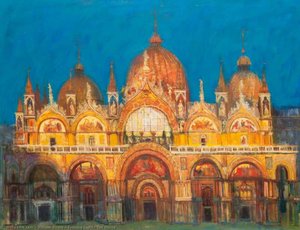
Kilbarchan Winter
 41.0 x 25.0 cm
 Museo Cultural
 Leer más
Adquiera una imagen digital de alta resolución y optimizada, muy superior a la vista previa en línea.
Cada archivo es preparado meticulosamente por nuestros especialistas internos mediante el uso de herramientas avanzadas y un experto retoque manual. Nos aseguramos de que cada imagen posea una claridad excepcional, una precisión cromática impecable y un detalle minucioso.
El archivo final se entrega por correo electrónico en un plazo de 72 horas, optimizado para su uso inmediato en entornos profesionales, editoriales y de impresión. Esta es la misma calidad en la que confían los estudios de diseño, las editoriales y las galerías de primer nivel.
Imagen Digital
Descarga un archivo de alta resolución para exhibición personal, impresión y proyectos creativos. ( Cambiar a formato impreso Encargar reproducción pintada a mano)
Incluido en cada pedido de imágenes digitales
Entrega digital experta, garantizada.
Al elegir OriginalUniqueArt.com, no solo está adquiriendo una imagen; está recibiendo una obra de arte digital mejorada profesionalmente, elaborada con precisión y respaldada por una garantía de satisfacción. Esto es todo lo que incluye su pedido, automáticamente:

Entrega inmediata por email
Recibirá su archivo de imagen digital en alta resolución por correo electrónico en un plazo de 72 horas tras realizar su pedido, listo para su uso inmediato.

Archivo digital optimizado por IA
Su obra de arte se optimiza profesionalmente mediante herramientas avanzadas de IA y edición manual, garantizando el máximo detalle, claridad y precisión cromática.

Reenvío gratuito de por vida
¿Has borrado o perdido tu archivo por error? No te preocupes: te lo volveremos a enviar en cualquier momento, sin coste adicional.

Sin gastos de importación, siempre
Disfrute de su obra de arte al instante sin aduanas, aranceles ni gastos de envío; las descargas digitales siempre están libres de impuestos.

Garantía de precisión de color
Garantizamos que su imagen digital refleje los colores originales con la mayor fidelidad posible, mediante el uso de herramientas profesionales y gestión del color.

Garantía de satisfacción de 100 días
Si no está satisfecho con su imagen digital, la revisaremos o le reembolsaremos el 100% en un plazo de 100 días, sin preguntas.

100% Garantía de devolución de dinero
¿No está satisfecho? Obtenga un reembolso completo dentro de los 100 días posteriores a la recepción de su archivo digital, sin preguntas.

Descuentos por volumen
Compra 3 imágenes, ahorra 10% - Compra 5, ahorra 15% - Compra 10+, ahorra 20%. Ideal para proyectos creativos, galerías y agencias.
Biografía del artista
William Birnie: A Scottish Vision of Landscape and Light
William Birnie (1929-2006) wasn’t a name immediately recognized in the grand halls of 19th-century art, yet his canvases hold a quiet power—a deeply felt connection to the rugged beauty of Scotland. Born in Bathgate, West Lothian, Birnie's artistic journey was shaped by a unique confluence of influences: a rigorous formal education, a profound love for the landscape, and a deliberate rejection of prevailing trends in favor of a personal, intensely observed style. His work isn’t about grand pronouncements or dramatic gestures; it’s an invitation to slow down, to breathe in the atmosphere of a Highland glen or the muted hues of a winter’s day.
Birnie's early artistic training was rooted in Glasgow School of Art, where he studied under luminaries like William and Mary Armour, David Donaldson, and Geoffrey Squire. This environment fostered experimentation with various techniques – watercolour, oil, and pastel – but it was his time at Hospitalfield House in Arbroath that proved pivotal. This residency provided him with the space and freedom to develop a distinctive approach, prioritizing observation and capturing subtle shifts in light and color. He wasn’t interested in replicating reality; instead, he sought to distill the essence of a place, imbuing his paintings with a sense of mood and atmosphere.
The Kilbarchan Winter Series: A Masterclass in Atmospheric Painting
Birnie's most celebrated work undoubtedly lies within his series of paintings depicting the winter landscape around Kilbarchan, near Glasgow. These works, produced primarily between 1960 and 1980, represent a culmination of his artistic explorations. The subjects – often bleak, snow-covered fields, skeletal trees, and the muted tones of a Highland sky – might seem austere at first glance, but they are imbued with an extraordinary sense of warmth and tranquility. He achieved this through a masterful manipulation of light and color, employing delicate washes of paint to create a shimmering effect that seems to capture the very breath of winter.
What distinguishes Birnie’s approach is his deliberate avoidance of sharp contrasts or dramatic compositions. Instead, he favored subtle gradations of tone, layering thin glazes of paint to build up depth and atmosphere. His brushwork is almost invisible—a testament to his meticulous observation and control. The paintings aren't merely representations of a scene; they are evocations of feeling – the stillness, the solitude, the quiet beauty of a landscape stripped bare by winter’s embrace.
Influences and Artistic Development
While Birnie’s style is undeniably unique, it’s clear that he was influenced by several key artistic movements. The Impressionists, with their focus on capturing fleeting moments of light and color, undoubtedly played a role in shaping his approach. He also drew inspiration from the Scottish Colourists – J.M. Whistler, Joseph Thomson, and Peter McGregor Rae – who sought to paint directly from nature, rejecting academic conventions. However, Birnie’s work transcends mere imitation; he developed a distinct voice that is both deeply rooted in tradition and refreshingly original.
His early training at Glasgow School of Art exposed him to the ideas of Cubism, but he quickly moved beyond these influences, embracing a more traditional approach to landscape painting. He was particularly drawn to the work of Constable and Turner, artists who were masters of capturing atmospheric effects and conveying the beauty of the natural world. Birnie’s paintings share this same sense of reverence for nature, as well as a similar ability to evoke a powerful emotional response in the viewer.
Legacy and Recognition
Despite not achieving widespread fame during his lifetime, William Birnie's work has gained increasing recognition in recent decades. His paintings are now held in major collections across Scotland and beyond, and they continue to be exhibited at galleries and museums throughout the country. His influence can also be seen in the work of contemporary landscape artists who share his commitment to observation, atmosphere, and a deep connection to the natural world.
Birnie’s legacy lies not just in his stunning paintings but also in his quiet dedication to his craft and his unwavering belief in the power of art to capture the beauty and wonder of the Scottish landscape. He reminds us that true artistry is often found not in grand gestures, but in the subtle details—the way light falls on a snow-covered field, the rustle of leaves in the wind, the quiet stillness of a winter’s day.
william birnie
1929 - 2006
Datos clave
- Artistic Movement Or Style: Sculpture, Royal Scottish Academy
- Artists Or Movements Influenced By This Artist: ['Scottish Sculpture']
- Artists Who Influenced This Artist: ['John Rhind (father)']
- Date Of Birth: February 27, 1853
- Date Of Death: July 9, 1933
- Full Name: William Birnie Rhind
- Nationality: British
- Notable Artworks:
- War memorials (Edinburgh)
- Fettes College memorial
- Place Of Birth: Edinburgh, Scotland