

 Ver en contexto
 Enviar
 Compartir
 Detalles
 Guía
Guía

 Descargar
 Similares
 Radiografía
 Presentación de diapositivas
 Q&A
Q&A Estadísticas
Jungle Form
 Oil On Canvas
- WallArt
- Surrealism
 1952
1952- Modern
 46.0 x 36.0 cm
 MAM Río
 Ver más
La obra de arte que se muestra en esta página está protegida por las leyes de propiedad intelectual, lo que significa que no podemos crear ni vender legalmente una reproducción idéntica. Esta protección se hace cumplir en virtud de acuerdos internacionales como el Convenio de Berna y por las leyes nacionales, incluidas aquellas establecidas por el Ley de derechos de autor de los EE. UU. - Título 17.
Este método cumple plenamente con las normativas de derechos de autor, ya que no implica la copia ni la duplicación de la obra protegida. En su lugar, se trata de una reinterpretación creativa: una nueva pintura influenciada por la original, pero que no es idéntica a ella.
Giclée / Impresión de arte
Impresiones giclée o en lienzo de calidad de museo con producción rápida y opciones de acabado flexibles. ( Comprar pintura hecha a mano Cambiar a imagen digital)




P118B €10

P118H €10

P118W €10

P438Z €10

P508JH €12

P508YH €12

P805H €10

P805Z €10

P919BZ €10

P919G €10

P919XJ €10

P959ZH €10

P968JZ €12

W106C €8

W218G €10

W218JH €8

W218Y €10

W307PJ €10

W316G €10

W316PJ €8

W316Y €10

W398PJ €8

W4111J €10

W500HY €15

W500JH €15

W692G €12

W849H €8

W940BG €15

W953PJ €8




Elija entre nuestros tamaños predefinidos que respetan las proporciones originales de la obra.

Introduzca el ancho y el alto que necesite para adaptarse a su marco o pared. Una impresión solo puede recortarse, nunca hacerse más grande que la imagen original, por lo que un tamaño con una forma distinta perderá parte de la obra. Le enviaremos una maqueta digital para su aprobación antes de realizar cualquier impresión. La imagen que se muestra en esta página no refleja el recorte real; solo la maqueta lo hace.
Envío a todo el mundo () en 2 semanas en lugar de las 4/5 semanas estándar. (29 octubre)

Envío exprés gratuito a todo el mundo

Lienzo de lino de alta calidad

Seguro de envío total

Garantía de reembolso de aranceles aduaneros

Garantía de fidelidad cromática exacta

Política de devolución de 100 días (solo por defectos)

Garantía de devolución del 100% del dinero

Descuento por cantidad
 La opción de vidrio solo está disponible en tamaños inferiores a 110 cm.

Jungle Form
Giclée / Impresión de arte
Dimensiones de la reproducción
-


Precio total final
€ 71
A Verdant Metamorphosis: The Biomorphic Allure of Jungle Form
In the evocative depths of William Baziotes’ Jungle Form, viewers are invited into a dreamscape where the boundaries between the human silhouette and the primordial wild begin to dissolve. Created in 1952, this masterpiece serves as a profound testament to the artist's ability to bridge the psychological intensity of Surrealism with the raw, gestural energy of Abstract Expressionism. The painting presents a striking green figure, a woman seen from behind, whose very essence seems woven from the lush, tangled textures of a tropical thicket. Her form is not merely painted; it is constructed through a sophisticated layering of emerald, moss, and forest hues, suggesting a being that is simultaneously flesh and flora.
The composition captures a moment of quiet, almost ritualistic movement. With one arm raised toward the heavens, the figure evokes a sense of reaching—perhaps for light, perhaps for transcendence. This gesture, combined with the rhythmic verticality of the background, creates a tension between the organic fluidity of the body and the structured, architectural elements that frame her. The interplay of light and shadow across her verdant skin gives the work a sculptural quality, making it an arresting focal point for any sophisticated interior. For the collector, this piece offers more than just visual beauty; it provides a window into the subconscious, where the human spirit finds its reflection in the untamed natural world.
Technique and the Language of Abstraction
Baziotes was a master of biomorphic abstraction, a technique that utilizes organic, rounded shapes reminiscent of biological life. In Jungle Form, his brushwork achieves a remarkable tactile depth. The application of paint suggests a variety of textures—some areas appear smooth and liquid, while others possess a rugged, bark-like density. This mastery of medium allows the artist to manipulate the viewer's perception, making the figure feel as though she is emerging from a dense, breathing organism. The use of a monochromatic green palette, punctuated by subtle shifts in value, prevents the composition from becoming chaotic, instead guiding the eye through a harmonious, rhythmic dance of form and shadow.
The historical context of this work is deeply rooted in the post-war American art movement. As a key figure associated with the WPA era and the subsequent rise of the New York School, Baziotes utilized his Greek heritage and Surrealist training to infuse American abstraction with a sense of myth and ancient memory. Jungle Form embodies this synthesis perfectly; it is an abstract work that feels deeply rooted in the primal history of life itself. For interior designers seeking to introduce a sense of organic luxury and intellectual depth into a space, this reproduction offers a sophisticated way to anchor a room with a conversation piece that is both visually soothing and intellectually stimulating.
Symbolism and Emotional Resonance
Beyond its formal brilliance, Jungle Form resonates on an emotional level that touches upon themes of identity, growth, and the cyclical nature of life. The choice of a green, arboreal figure suggests a profound connection to the Earth—a return to a state of primordial innocence or perhaps a metamorphosis into something more enduring than human bone and blood. There is a certain solitude in the figure's posture, yet it is not a lonely solitude; rather, it is a meditative state of being, an integration with the environment that feels both peaceful and powerful.
To possess a reproduction of this work is to bring a piece of the sublime into one's personal sanctuary. It serves as a reminder of the beauty found in complexity and the strength found in vulnerability. Whether placed in a contemporary gallery-style living room or a quiet study, Jungle Form commands attention through its quiet intensity, offering an enduring sense of wonder to all who linger before its verdant depths.
Preguntas y respuestas
¿A qué etapa de la trayectoria de William Baziotes pertenece "Jungle Form" (1952)?
La fecha de 1952 sitúa a "Jungle Form" en el Mature Period del desarrollo de William Baziotes.
¿Cómo se describe la paleta de colores de "Jungle Form" de William Baziotes?
"Jungle Form" de William Baziotes utiliza una paleta de colores Dark. Esta gama de tonos define el carácter cromático general de la obra.
¿Qué forma y dimensiones tiene "Jungle Form" de William Baziotes?
"Jungle Form" de William Baziotes tiene las proporciones de una obra en Portrait de 46 x 36 cm.
Biografía del artista
El Arquitecto de Paisajes Oníricos: La Vida y Visión de William Baziotes
Dentro de la vibrante y a menudo turbulenta constelación de la Escuela de Nueva York, pocos artistas capturaron el límite etéreo entre la mente consciente y el subconsciente primordial con tanta conmoción como William Baziotes. Nacido en 1912 de padres griegos en Pittsburgh, Pensilvania, Baziotes llevaba consigo una profunda conexión con su herencia antigua: una fascinación por la escultura clásica y la resonancia mítica que más tarde daría vida a sus formas abstractas. Su trayectoria formal comenzó en la National Academy of Design, donde emergió en 1936 como un pintor profundamente sintonizado con el rigor técnico de su oficio, pero poseído por un impulso irreprimible de explorar los reinos invisibles de la psique.
La trayectoria de la carrera de Baziotes se vio irrevocablemente moldeada por el panorama socioeconómico de la Gran Depresión. A través de su participación en la Works Progress Administration (WPA), particularmente en el proyecto de caballete entre 1로38 y 1940, encontró la libertad para experimentar con lienzos de gran escala que exigían un enfoque más visceral y gestual. Fue durante esta era cuando comenzó a entrelazar los hilos dispares del surrealismo europeo y el floreciente expresionismo abstracto estadounidense. Mientras sus contemporáneos a menudo se inclinaban hacia la abstracción pura o conceptos intelectualizados, Baziotes permaneció como un poeta de la imagen, utilizando el automatismo no solo como una técnica, sino como una puerta de entrada a un lenguaje biomórfico más evocador.
Ecos Biomórficos y Sombras Surrealistas
El vocabulario visual de Baziotes se define quizás más famosamente por su uso de formas biomórficas: formas orgánicas y redondeadas que sugieren vida biológica, estructuras celulares o el movimiento fluido de organismos marinos profundos. Su obra a menudo se siente como una ventana a un paisaje prehistórico o extraterrestiente, donde la distinción entre la carne y la flora se desdibuja bellamente. En obras maestras como Jungle Form (1952), uno encuentra una metamorfosis fascinante; una figura verdosa emerge de una espesura enmarañada, su esencia misma parece tejida con texturas de esmeralda y musgo. Esta capacidad de casar la intensidad psicológica del surrealismo con la pincelada cruda y enérgica del expresionismo abstracto le permitió crear obras que son simultáneamente inquietantes y profundamente rítmicas.
Sus inspiraciones eran tan diversas como profundas. Más allá de la influencia visual del arte primitivo, Baziotes extrajo un inmenso alimento espiritual y lingüístico de la poesía de Charles Baudelaire y de la elegancia atemporal del arte griego antiguo. Esta profundidad literaria e histórica infundió sus pinturas con un sentido de belleza trágica y movimiento ritualista. Ya fuera a través de las paletas de colores melancólicas presentes en obras como The Falcon o las composiciones crudas y perturbadoras de The Flesh Eaters, Baziotes buscaba capturar un momento de trascendencia: un alcance hacia los cielos o una exploración de las sombras que acechan dentro del espíritu humano.
Legado y la Escuela de Nueva York
Mediados de la década de 1940 marcaron el cenit del reconocimiento profesional de Baziotes. Su exposición individual debut en 1944 en la legendaria galería Art of This Century de Peggy Guggenheim sirvió como una llegada definitiva, colocándolo en el epicentro del mundo del arte moderno. No fue simplemente un participante en este movimiento, sino un arquitecto fundacional de su comunidad. Junto a luminarias como Mark Rothko, Robert Motherwell y David Hare, Baziiente cofundó la Subjects of the Artist School en 1948. Esta institución se convirtió en un crisol vital para el diálogo artístico, al albergar conferencias de iconos como John Cage y Jean Arp, y fomentar un entorno colaborativo que definiría la estética estadounidense de la posguerra.
En sus últimos años, Baziotes transitó hacia un período de significativa influencia pedagógica, enseñando en instituciones prestigiosas como el Museo de Arte Moderno (MoMA) y la Universidad de Nueva York. Aunque su vida fue trágicamente truncada por un cáncer de pulmón en 1963, apenas unos días antes de su quincuagésimo primer cumpleaños, su contribución a la evolución del arte moderno permanece indeleble. Deja tras de sí un legado caracterizado por:
- La síntesis de estilos: Lograr tender un puente entre la lógica onírica del surrealismo y la libertad gestual del expresionismo abstracto.
- Innovación biomórfica: El desarrollo de un lenguaje visual único de formas orgánicas y fluidas que evocan tanto la vida biológica como los arquetipos míticos.
- Integración cultural: Infundir la abstracción estadounidense con el peso de la antigüedad clásica y las tradiciones poéticas europeas.
- Liderazgo educativo: El fortalecimiento de la comunidad artística de Nueva York mediante el establecimiento de escuelas colaborativas e instrucción académica.
Hoy en día, las obras de William Baziotes continúan cautivando tanto a coleccionistas como a historiadores, ofreciendo una profunda meditación sobre la interconexión entre el alma humana y el mundo natural indómito.

William Baziotes
1912 - 1963 , Estados Unidos
Datos clave
- Artistic Movement Or Style: Expresionismo abstracto
- Artists Or Movements Influenced By This Artist: ['Surrealismo']
- Artists Who Influenced This Artist:
- Charles Curran
- Ivan Olinsky
- Gifford Beal
- Leon Kroll
- Date Of Birth: 1912
- Date Of Death: 1963
- Full Name: William Baziotes
- Nationality: American
- Notable Artworks:
- Aquatic
- Dusk
- The Room
- Place Of Birth: Pittsburgh, Estados Unidos
Artículos relacionados

Kandinsky: Las 25 Obras Maestras del Pionero de la Abstracción | OriginalUniqueArt
Descubre las 25 obras maestras de Wassily Kandinsky, pionero del arte abstracto. Explora su expresionismo, composiciones únicas y la historia detrás de cada cuadro. Reproducciones de alta calidad para decorar tu hogar con arte moderno en OriginalUniqueArt.com.

Abstracción Geométrica: 10 Obras Maestras que Transformaron el Arte Moderno | OriginalUniqueArt
Descubre las 10 obras maestras de la abstracción geométrica que revolucionaron el arte moderno. Explora a Mondrian, Malevich y Kandinsky en OriginalUniqueArt.com. Reproducciones de alta calidad para tu hogar.

Paul Cézanne: Las 25 Obras Maestras que Definieron el Arte Moderno | OriginalUniqueArt
Descubre las 25 obras maestras de Paul Cézanne que revolucionaron el arte moderno. Explora su técnica, inspiración y significado en paisajes, bodegones y retratos. Reproducciones de alta calidad para decorar tu hogar con arte inolvidable. ¡Explora la colección completa en OriginalUniqueArt.com!

Expresionismo Abstracto: 10 Obras Maestras que Transformaron el Arte |
Descubre las 10 obras maestras del Expresionismo Abstracto: Pollock, Rothko y más. Explora la historia, técnica y significado de estos lienzos icónicos. Reproducciones de arte exclusivas en .
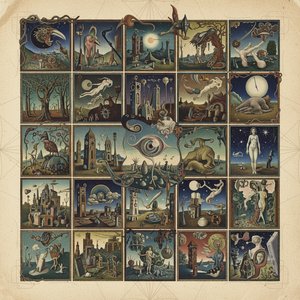
Max Ernst: Las 25 Obras Maestras del Surrealismo para Decorar tu Hogar con Arte
Descubre las 25 obras maestras de Max Ernst, el rey del surrealismo. Explora su arte onírico, técnicas innovadoras y simbolismo profundo. Reproducciones de alta calidad para decorar tu hogar con estilo en OriginalUniqueArt.com